
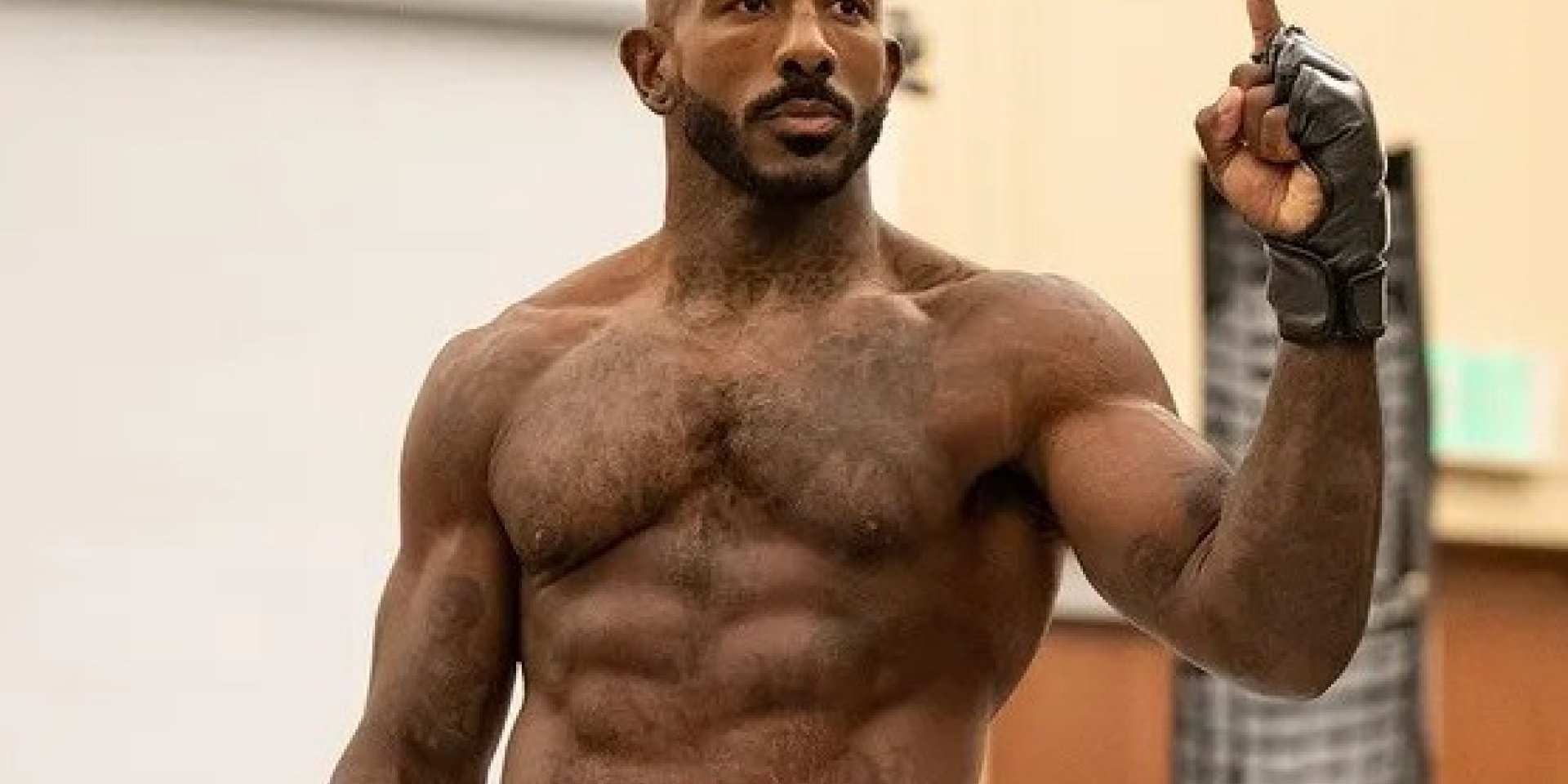
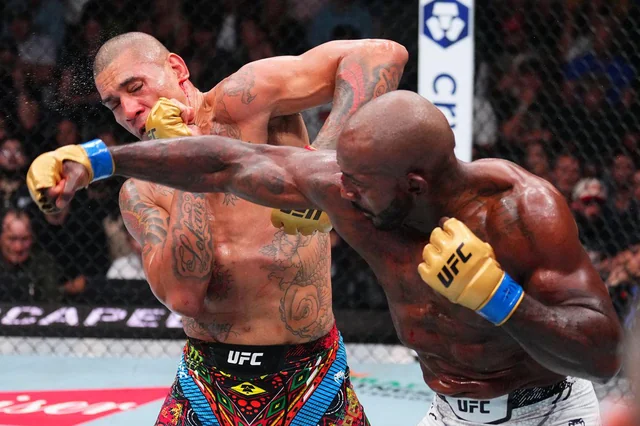
At UFC Fight Night, Khalil Rountree pulled off something they’ll be replaying in highlight reels for a long time: he stopped Anthony Smith in the third round — brutal, clean, no questions asked.
And yeah, after a finish like that, you’re not just “back in the conversation” — you’re banging right on the door of the light heavyweight top 10.
But honestly, the most powerful thing about Rountree isn’t this finish.
The most powerful thing is where he came from in the first place.
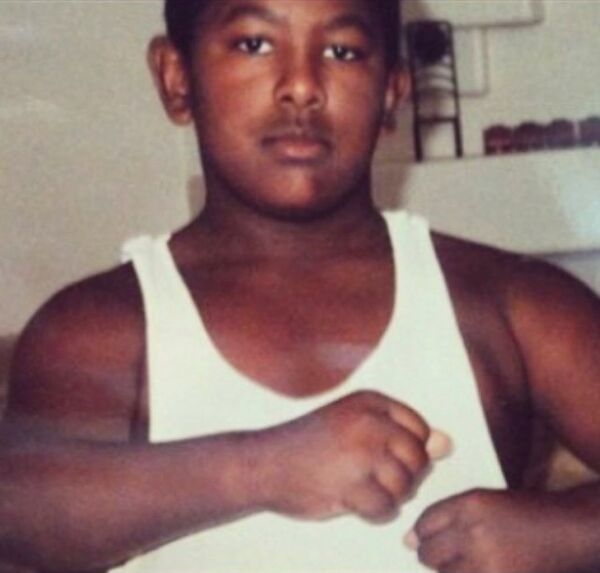
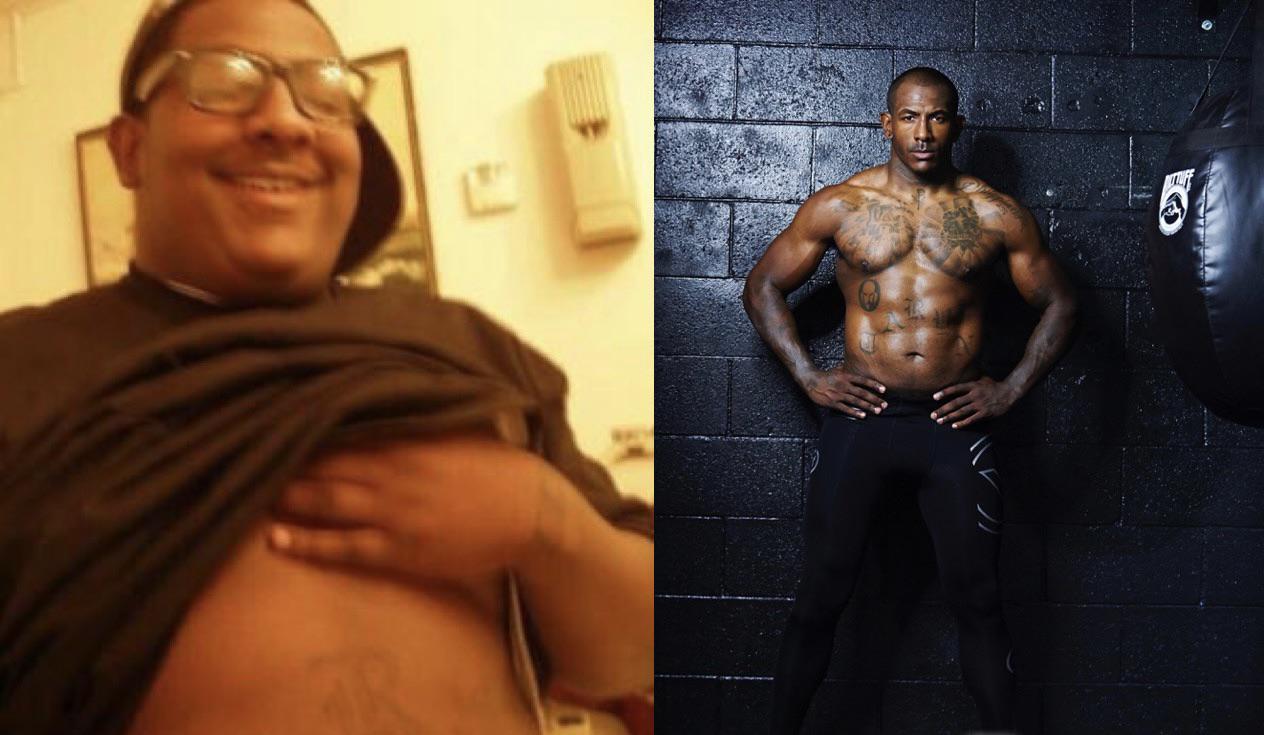
When you’re 19, you weigh close to 140 kg — and everything around you feels like a dead end
Rountree didn’t have the “perfect” sports biography from a movie: childhood classes, caring coaches, medals on the school honor board.
His father died when Khalil was very young: Roderick Rountree worked as a tour manager for Boyz II Men and was killed during a robbery (Khalil was two years old). And the hardest part is that he didn’t grow up carrying that truth in his hands. He learned the details later — and it caught up with him.
Then came a chain that, sadly, is all too easy to picture:
- withdrawal
- school bullying
- food as a button for “at least something feels good”
- cigarettes, soda, fast food — anything that shuts your head off fast
In one interview, he recalled that he could smoke two packs a day and drink one to two liters of Dr Pepper daily. And those aren’t just “bad habits.” That’s a way to live when you don’t even understand why you should wake up.
Back then, his “dream job” was someone else’s dream
The saddest part is that he wasn’t lazy. He worked — just not for himself: selling merch at metal concerts, hustling, surviving.
And at some point he put it perfectly: “I wasn’t chasing my dream — I was helping other people chase theirs.”
MMA didn’t show up as a sport. It showed up as an outlet for anger
Rountree didn’t fall in love with MMA because of “technique” or “the beauty of striking.” What grabbed him was something else: it was a place where you could let out everything that had been building up inside for years.
His brother showed him UFC fights — and Khalil saw a place where aggression doesn’t destroy you, it turns into a craft. Then came TUF, then a thought like: “okay. I want that too.”
He came to train at Wanderlei Silva’s gym (Wand Fight Team) — and there they read him fast: the talent was there, but the body was still in the way.
Rountree later said he dropped around 100 pounds (about 45 kg) in 11 months. And it’s the kind of transformation where the number matters less than the price:
- he broke habits
- cut off a toxic circle
- built a routine where MMA wasn’t “I’ll try it,” but a new life
Talking about it is easy. Doing it is brutally hard.
TUF 23: he lost the final — but won a chance
On The Ultimate Fighter, he made it to the final, where he lost a decision to Andrew Sanchez. And usually stories like that end with, “well, I guess it wasn’t meant to be.”
But with Rountree, it went differently: even with the loss, he stayed in the system and made it into the UFC. Because he had the one thing that always sells better than a record: a relatable human story + real progress.
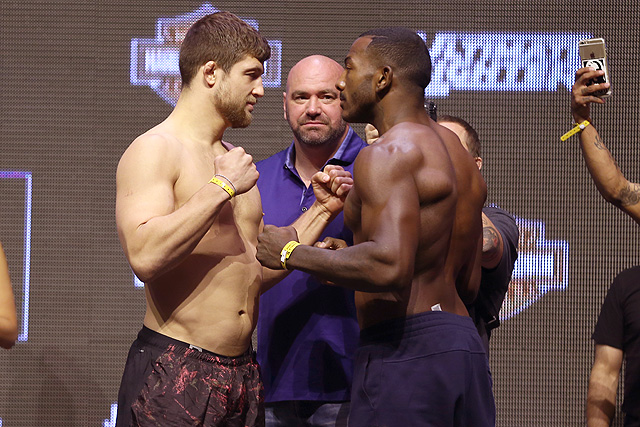
It’s important not to romanticize it: in the UFC, he didn’t become a star overnight. There were losses, there were weird moments, there were ups and downs.
But now we’re seeing a different version of Rountree: calmer, sharper, more grown-up. And the win over Smith isn’t “he got lucky.” It looks like the continuation of a run where he’s finally fighting his fight.