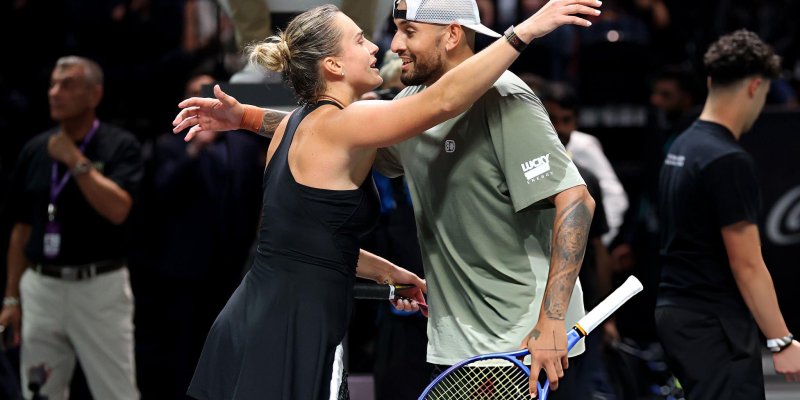

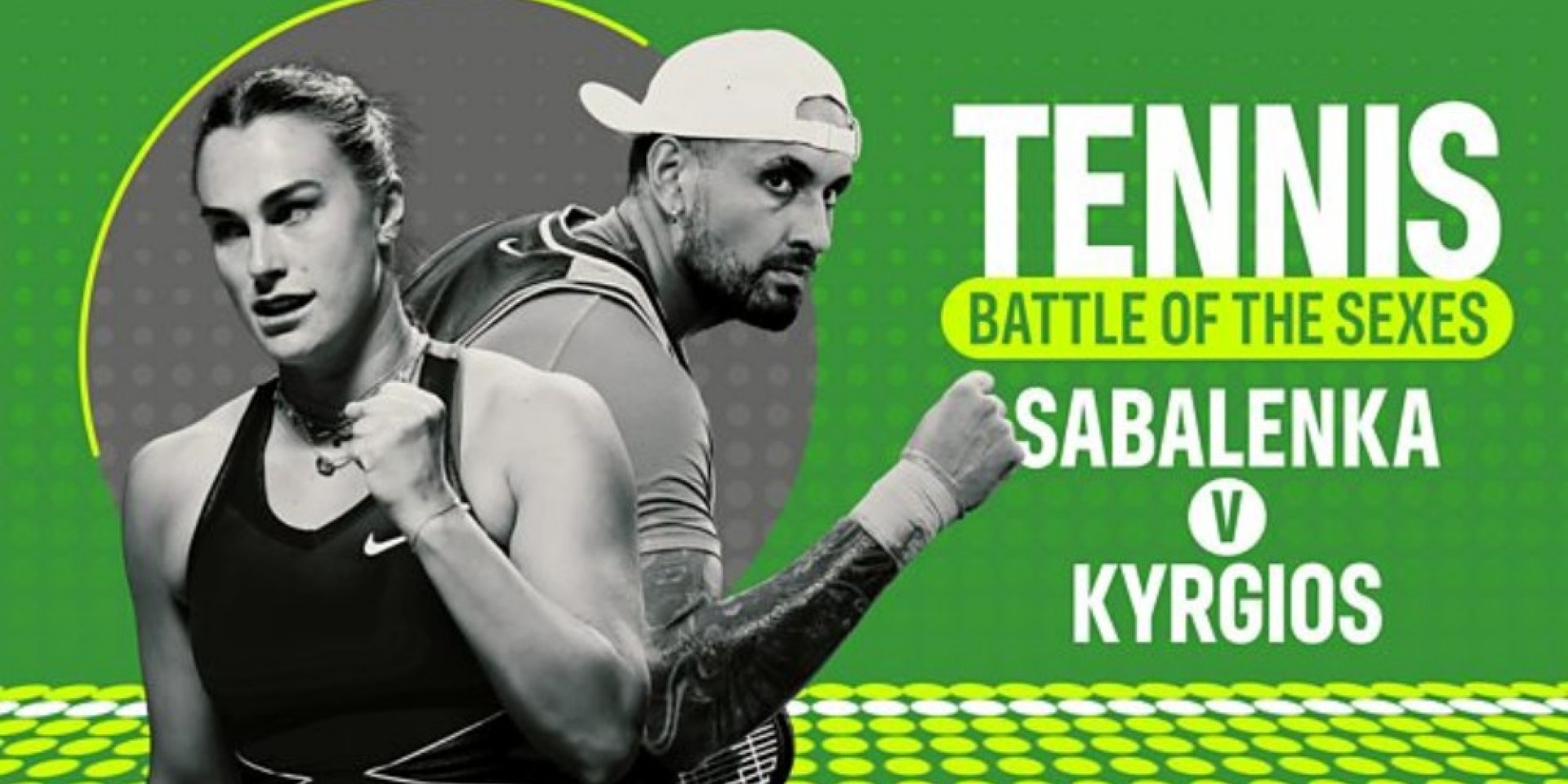
On December 28 in Dubai, they’re promising a show with a title loud enough to spark arguments all by itself: the “Battle of the Sexes.” World No. 1 Aryna Sabalenka is stepping onto the court, and across the net stands Nick Kyrgios — the 2022 Wimbledon finalist and, as a bonus, a guy who can generate headlines even on days when he’s literally just breathing. The funniest part (or the most annoying — pick your mood): the match hasn’t been played yet, but it’s already getting trashed like someone personally took away every internet commentator’s second serve.
Rules That Feel Like They Were Invented in a Marketers’ Brainstorm
The organizers get it: the classic “man vs woman” format in tennis isn’t something you can solve with a casual “go on then, play.” There’s never been a case in tennis history where a woman beat an active male player in a standard, competitive match format. So this won’t be “like on the ATP/WTA tour” — there are tweaks, so the match has at least some competitive balance and doesn’t end up being just a nice poster.
What did they come up with? First, the court on Sabalenka’s side will be smaller — about 9% less in both length and width. Basically, Aryna gets a “distance-saving mode”: less running, quicker angle coverage, and slightly easier tempo control in rallies. Second, both players — attention — will have only one serve (no second serve), to level out the Australian’s edge in that department. Yes, tennis without a second serve sounds like life without an “undo” button: stressful, but it keeps you sharp. And yes, it’s a very direct hit to Kyrgios’ usual serving advantage: Nick can fire off aces and “borderline rude” kick serves so effectively that the returner sometimes just stands there and stares into the distance philosophically.
The first two sets will follow the traditional format to six games. But if it goes to a third, instead of a full set they’ll play a 10-point tie-break. So the ending will feel like a mini ride: fast, tense, loaded with “big points,” and one good mini-run could finish everything.
The “Battle of the Sexes” Has Happened Before — But Back Then It Was About Something Else
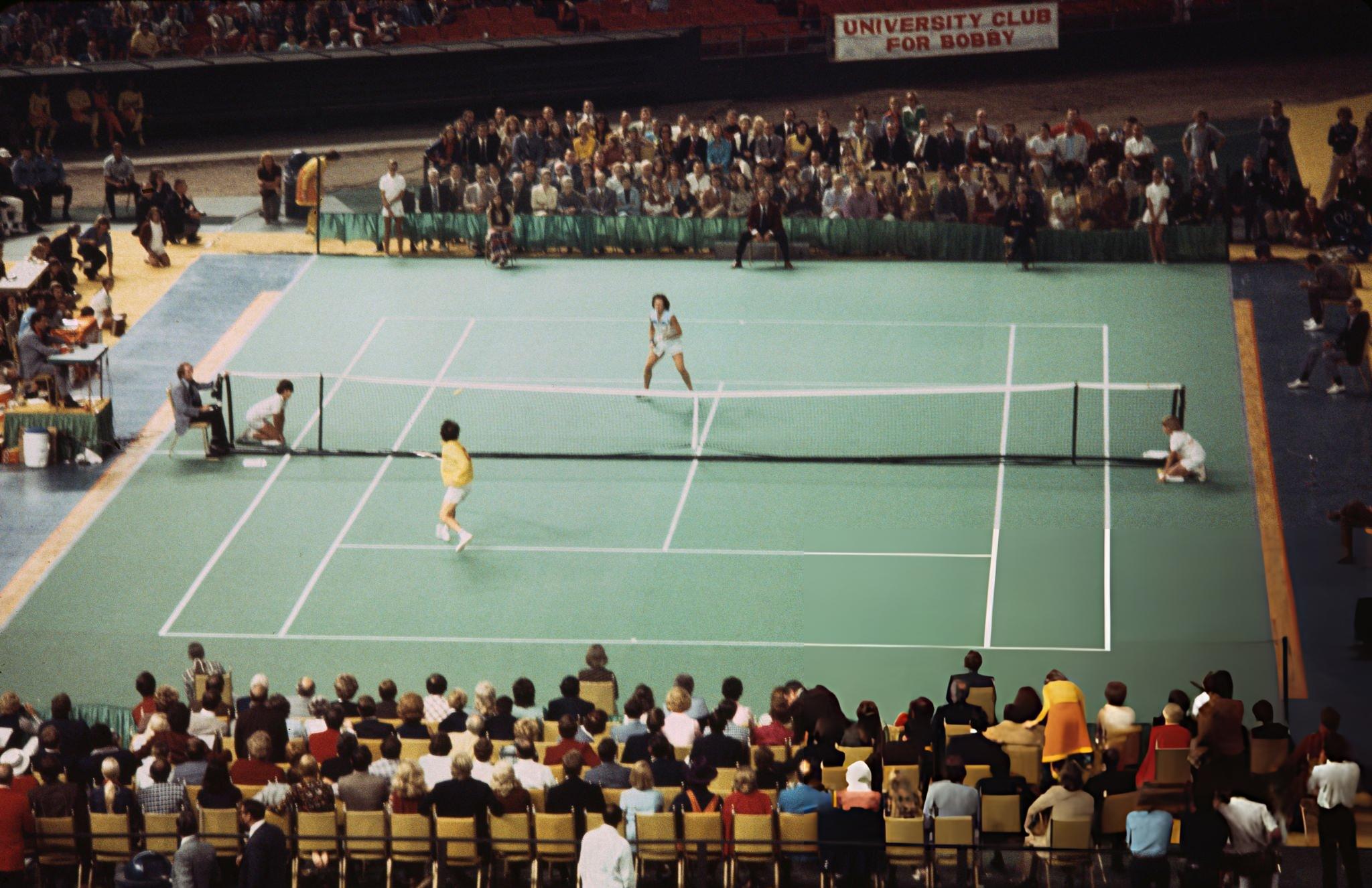
The phrase “Battle of the Sexes” isn’t just a catchy label in tennis culture. In 1973 in Houston, the legendary 12-time Grand Slam champion Billie Jean King faced 55-year-old veteran Bobby Riggs and beat him — and that match wasn’t only about forehands and backhands, it was about the era, equality, and social change. There was an idea at stake, not just money and highlights.
And this is exactly where the main line of criticism of the Dubai show begins: a lot of people see it as an exhibition — an expensive one, sure, but still a show match. The meaning is different: not a “historic mission,” but more like “let’s create an event so even people who think a tie-break is coffee will talk about tennis.”
Billie Jean King: “The Only Similarity Is That a Guy Is Playing a Girl”
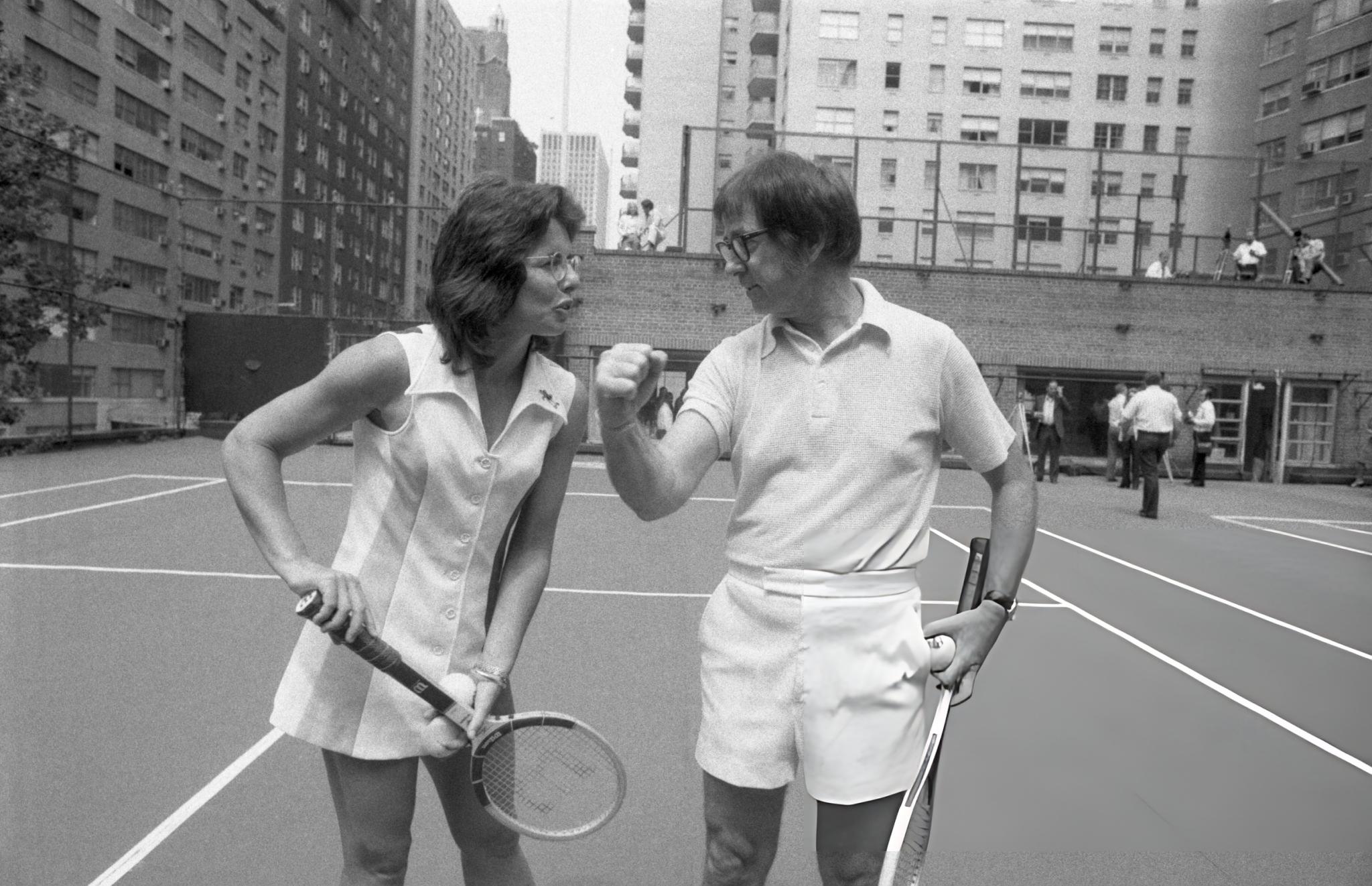
King herself, despite rooting for Aryna, isn’t rushing to put the two events in the same category. Her position is simple: in 1973, the match was political, tough, and principled — and it was played on equal terms. Back then she wouldn’t have agreed to a “smaller court” or special adjustments. This time, it’s a completely different story, a different context, and a different meaning.
And that’s an important note: when a legend says “guys, don’t mix these up,” she’s not being a buzzkill. She’s just reminding everyone that a similar signboard doesn’t automatically mean identical substance.
The Tour’s Reaction: From “Why Not?” to “That’s Not How Tennis Is Played”
The tennis world split like a crowd after a sketchy line call: one side yells “bring it on!”, the other says “nope, not buying it.”
German player Eva Lys, for example, admits it’s largely a PR move — but she also sees the upside: Sabalenka is pushing boundaries and doing things that aren’t typical for the sport. And let’s be honest, tennis is often taken way too seriously — like smiling on court is banned by the ITF rulebook. Lys’ point is pretty straightforward: other sports run these kinds of events and people don’t treat them like sacred scripture. If this brings new eyes to tennis, why not?
Casper Ruud, on the other hand, is firmly against the format. “If you really want to do something like this, it should be played on equal terms.” Different court dimensions, one serve — to him, that makes it “not a real match.” And you can see his point: tennis is a sport of standards. Even the net height isn’t set because it “looks nicer,” but because the game itself changes if you mess with it.
Former British player Greg Rusedski also doesn’t see a reason to get excited. His main argument: it’s impossible to take it seriously with so many conditions attached. Plus there’s the Kyrgios factor: Nick hasn’t really competed on tour in years due to injuries, so we have no idea what he looks like over anything close to three full sets. Even if the format is “softened,” the physical question is still hanging there: can his body actually deliver what the poster promises?
Kyrgios and Sabalenka: “Relax, We’re Here for the Show”
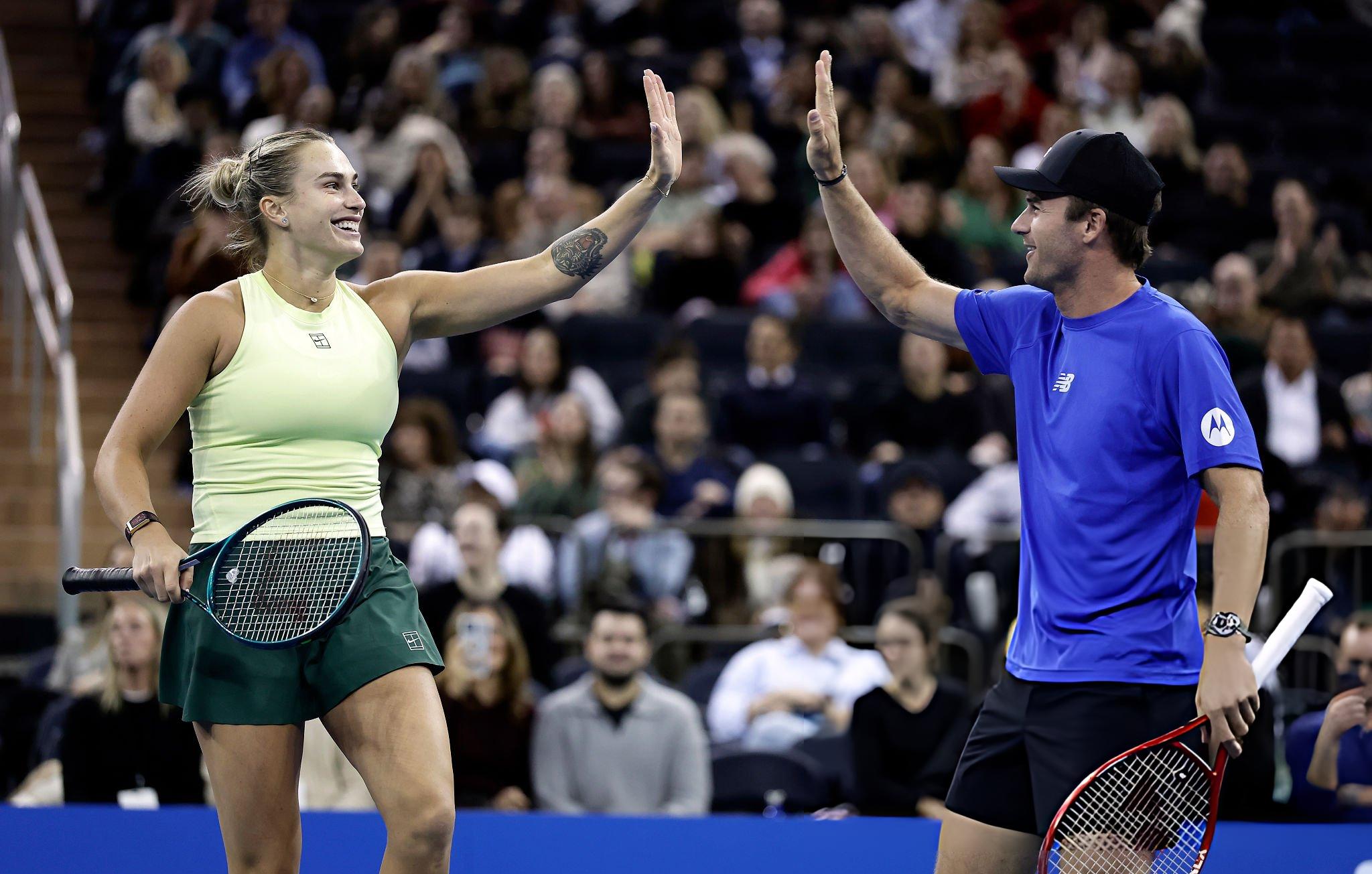
And this is where it gets truly entertaining. While everyone’s arguing about “legitimacy” and “authenticity,” Kyrgios answers in classic Kyrgios fashion: the hate only fuels the hype. He says it straight: they’re friends, they want to put on a show, and they want to pull more attention toward tennis. Aryna will go down in history as one of the best anyway, and he’ll keep entertaining viewers around the world.
And you know what? There’s honesty in that. They’re not trying to sell an exhibition like it’s a Grand Slam final. It’s more like: “Yes, it’s a show. Yes, there are rules. Yes, it’ll be loud. Watch it if you want, skip it if you don’t — you’re still talking about it.”
So Is This Sport, or a Racket Circus?
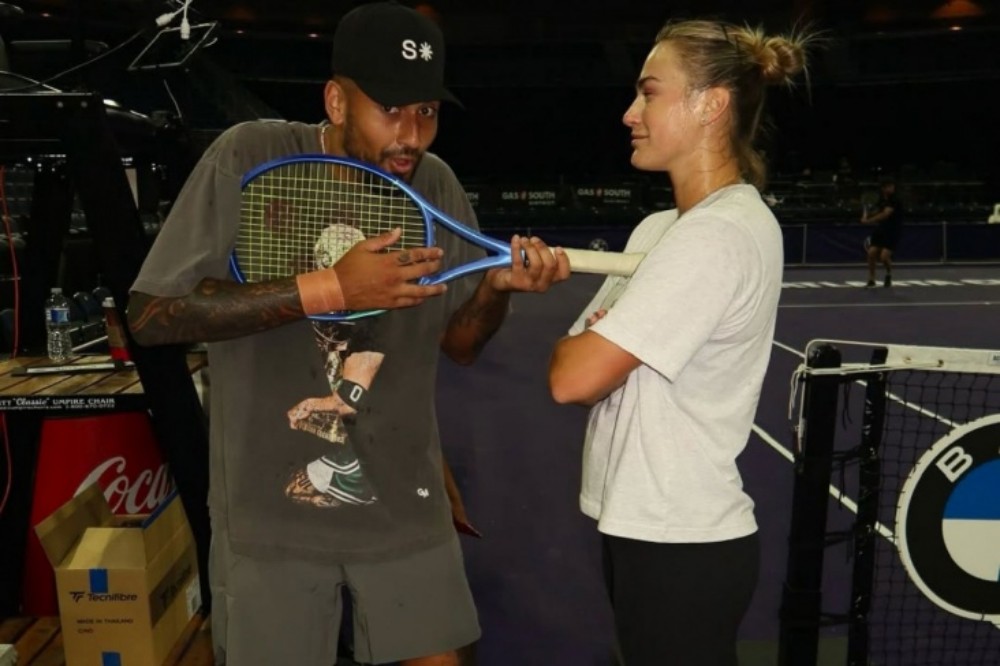
If you look at it strictly, the Dubai “Battle of the Sexes” is a hybrid: a tennis match designed with an exhibition mindset. Labels like “real” or “not real” don’t work perfectly here, because the format was built specifically to create intrigue. This isn’t an ATP or WTA tournament regulated down to the millimeter. It’s a separate product that sells emotion, character clash, and a rare spectacle.
Personally, I’d watch it like a show card: not to rewrite tennis history, but to see how Sabalenka applies pace and power, how Kyrgios turns on his serving talent (even without a second serve), how they play the net moments, try drop shots, hunt sharp angles — and, most likely, smile from time to time, because both of them know how to play to the crowd.
And to everyone already typing “embarrassing,” “PR stunt,” and “why do we need this,” I just want to say: you’ve basically handed them a few million extra views. Tennis, whether you like it or not, doesn’t only love perfect technique — it loves attention, too.