
“Aston Villa” once again did what has become almost routine in recent months: won a match in which not everything went to plan. The 3:2 victory over “West Ham” extended a remarkable run and added one more important detail — the ability to turn a game around even after an early blow and a poor first half. Unai Emery's side now has character, structure, and results. With that package, the question of a title challenge no longer sounds like fantasy.
A Cold Shower Early and a Mature Response as the Match Unfolded
Away from home, “Villa” conceded in the 30th second: they overplayed around their own box, then Ezri Konsa got caught on the ball — Mateusz Fernandes pounced, won it back, and thundered a shot from almost the corner of the six-yard box. The response came quickly, though: eight minutes later “West Ham” made a mistake at the back, and Ollie Watkins won his position and finished with a header. The moment then took on a life of its own in the match report: the goal was credited at different times either to Watkins or as an own goal by Konstantinos Mavropanos, who lost track of the striker.
“West Ham” went in front again: Jarrod Bowen turned the ball in from close range after a shot by Freddie Potts — 2:1. And that is where the strangest truth of the first half for the visitors showed up: by chance creation, it was almost empty — just one shot and only 0.04 xG. It was no surprise that the odds moved accordingly: before kick-off, “Villa”'s win probability was estimated at roughly 43%, but by half-time belief in a comeback had slipped to 16%.
Rodgers Delivers: Two Touches, Two Goals — and a Stunning Long-Range Finish
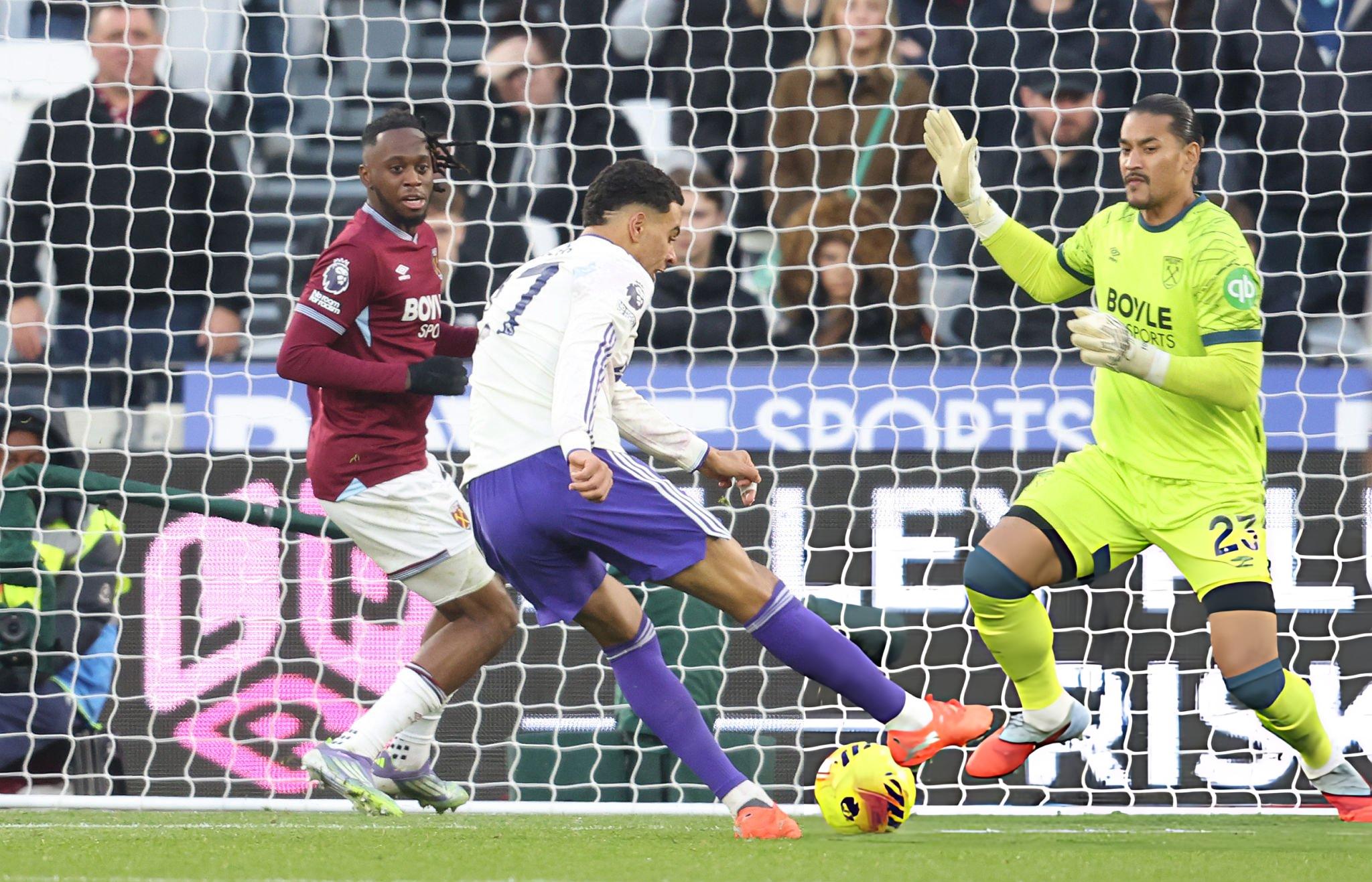
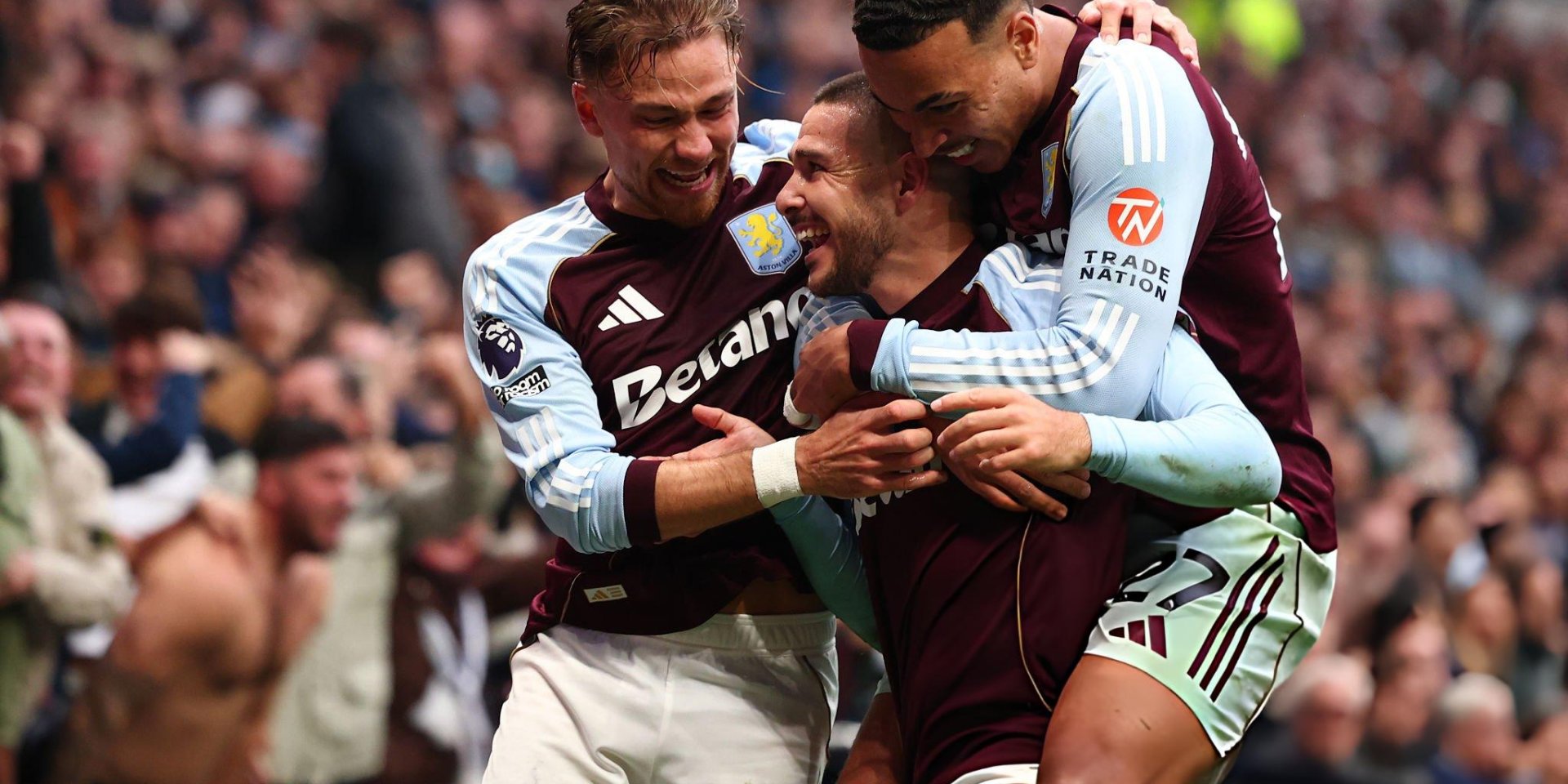
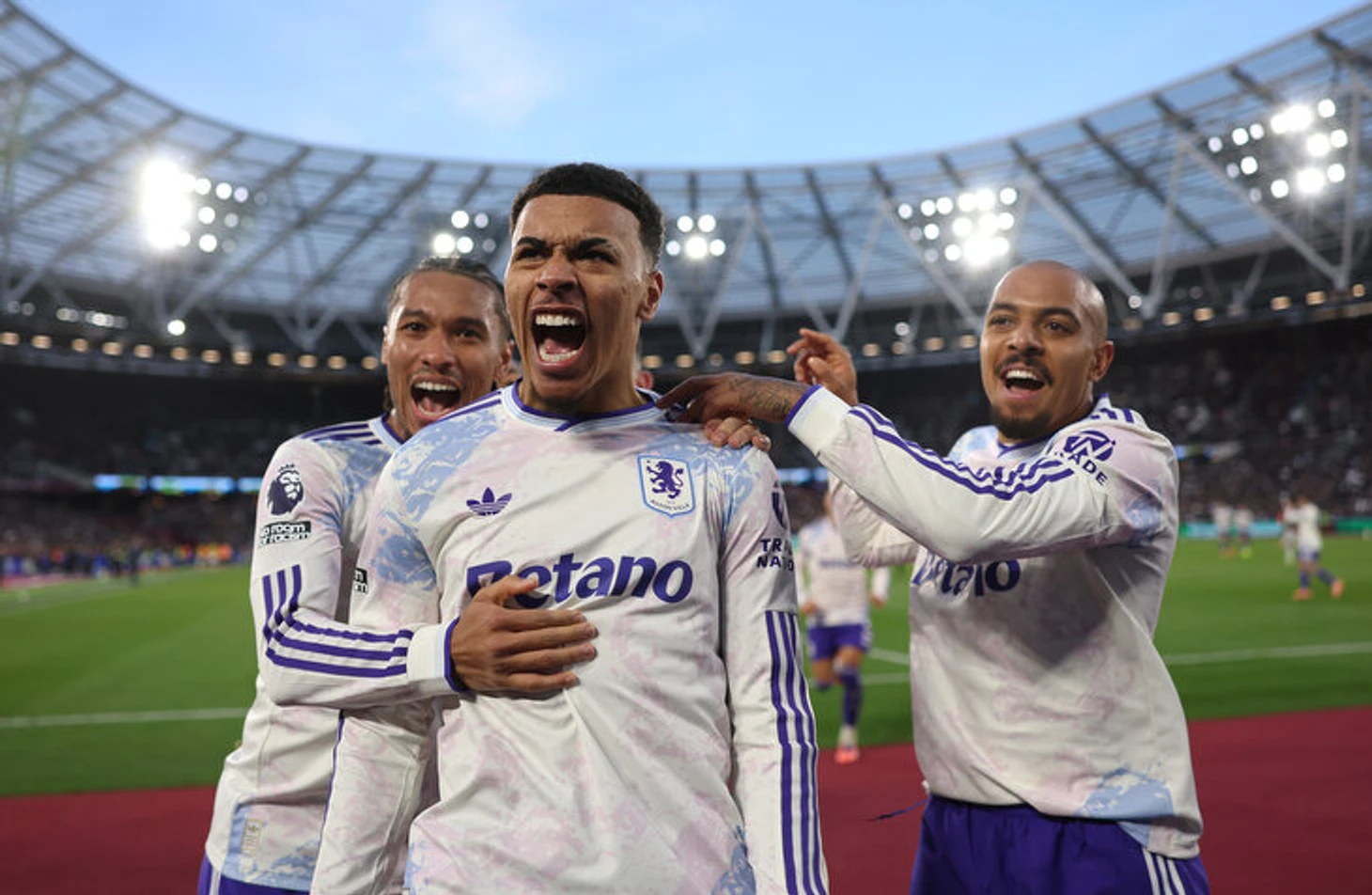
In the second half, “Aston Villa” stepped it up — not so much in volume of shots, but in the quality of their actions in the box. In the 50th minute, Morgan Rogers was left completely unmarked in front of goal on a Youri Tielemans delivery and calmly made it level. “West Ham” could have regained the lead — Bowen's goal midway through the half was ruled out for offside, and moments like that always create a psychological swing.
The decisive moment arrived in the 79th minute: Rogers completed his brace — and did it in style, with a beautiful strike from outside the penalty area. Tellingly, long-range goals are not a one-off flash but a trend: in the top leagues, Emery's team has already scored ten from distance. Rogers, by the way, recently “closed” the match against “Leeds” in the same way — two goals, three points. He is clearly growing into a role where he is not just useful, but decisive.
From Run to Run: Why This Is No Longer a “Lucky Spell”
The most convincing thing about this “Villa” is consistency. Ten wins in eleven matches is the kind of statistic you get from a team that has found a working mechanism. And the season began so heavily: just three points in the first five Premier League rounds and an early exit from the League Cup. But then the “results machine” switched on.
Since September 25 across all competitions: 17 matches, 15 wins. In the league since September 28: 11 games and 10 wins, including six straight — a club record in the Premier League era.
Emery and Records: “Villa” Raises the Ceiling
There are details that turn a nice run of form into a serious statement:
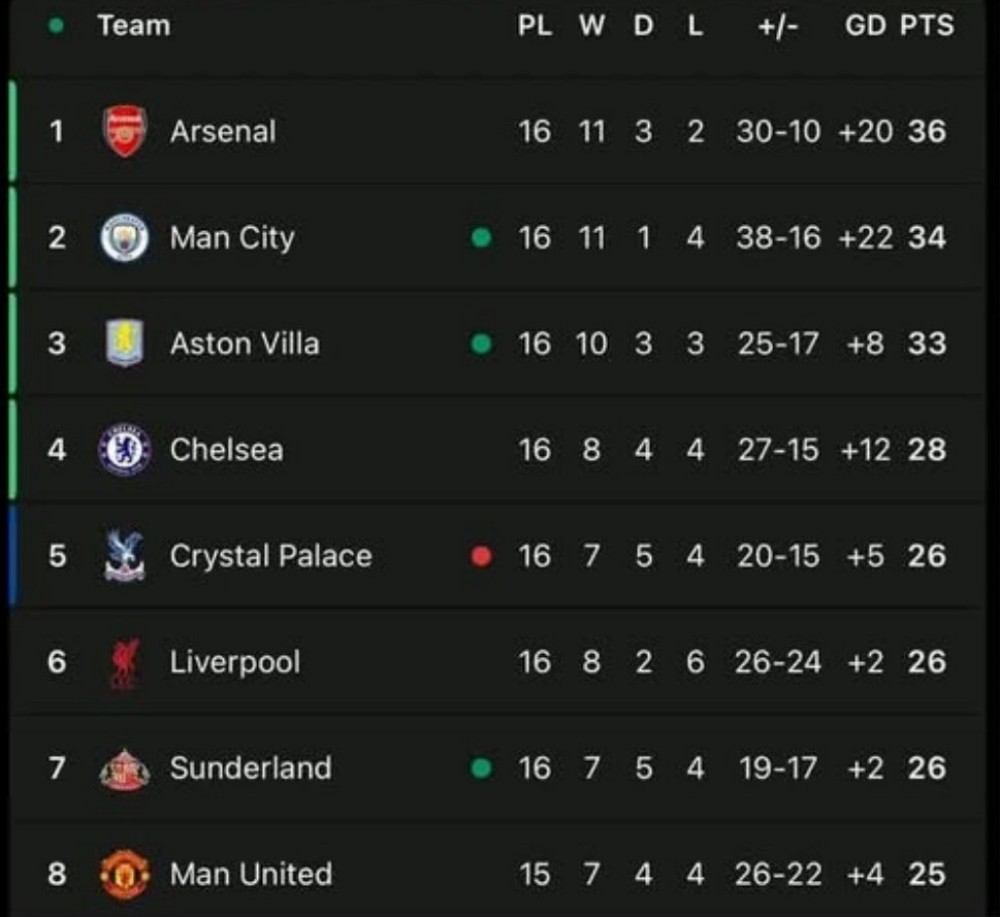
- “Villa” have taken 30 points from the last 11 league rounds — more than “Manchester City” (by 3), “Arsenal” (by 4), “Chelsea” (by 10), and “Manchester United” (by 12, with United having played more matches over that span).
- The gap to the leaders is three points. After 16 rounds, it has been smaller only twice in the club's history.
- The historical context matters, too: in the 1998/99 season, “Villa” were level with “Manchester United” on 30 points; now they are already on 33.
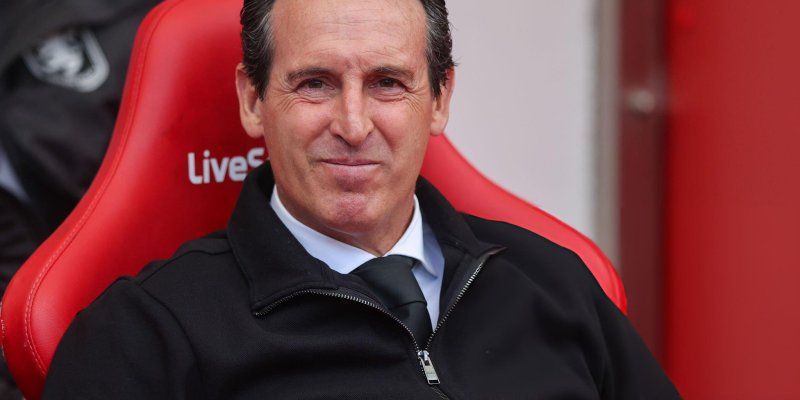
Unai Emery is maintaining a strong win rate in Birmingham — 55.83%. In his career, he won more often only with “PSG”, but the level of dominance and the competitiveness of the league there are different. By the numbers, Emery's “Villa” is increasingly not just “a contender for Europe”, but a team looking up to a higher floor.
The Loudest Test Ahead: The Fixture List Won't Let Up
Extending a winning run is always harder than starting it. And the stretch ahead for “Villa” is the kind that tests everything: squad depth, off-ball work, and discipline in a set defensive shape.
Until the end of 2025 there are three headline matches: first at home to “Manchester United”, then away to “Chelsea” and “Arsenal”. The start of 2026 is no gift, either: “Nottingham Forest” at home, followed by a trip to a sturdy “Crystal Palace”. Those are the weeks that separate “a team in form” from “a team built to carry a title race”.
The Race for the Top: There's a Chance, but It Must Be Proven on the Pitch
“Aston Villa” have already shown they can win in different ways: in pragmatic matches, in shootouts, after conceding first, and even after a poor first half. That is a hallmark of big teams — taking points when the performance is not ideal. But a title challenge requires one more level: beating top opponents regularly and riding out downturns without losing tempo.
In a month, the table will look more “honest”. And if “Villa” navigate this fixture corridor with the same composure, the talk about their role in the title race will stop being an advance — and become reality.