


The 2:1 win over Manchester United in Premier League Matchweek 17 was not just another three points for Aston Villa, but a milestone that will be remembered in Birmingham for a long time. Unai Emery’s side have now recorded ten straight wins across all competitions — one of those rare moments when “here and now” form directly links the club’s present to its distant past.
Ten Straight Wins: Villa Switched on Pressure Mode in Every Competition

This winning run began after the defeat to Liverpool on 1 November. Since then, the team has seemingly shifted up a gear: results have arrived both in the league and in the Europa League. Crucially, the streak looks less like a random hot spell and more like the product of a clear system — aggressive pressing, discipline off the ball, and the ability to squeeze the maximum out of key phases of a match.
From a Goal Drought to a Title Chase: A 180-Degree Turnaround
The contrast is even sharper if you remember how the campaign started. After a disappointing summer transfer window, Aston Villa failed to score in the Premier League for the first four matchweeks — an alarming sign for an ambitious side. Yet by mid-season the Birmingham club sit just three points off leaders Arsenal, while also securing a place in the Europa League play-offs. This transformation is not merely impressive, but a sign of elite management: Emery built a mechanism that did not fall apart after early problems.
A Return to the Pre-War Era: A Run on the Scale of 1914
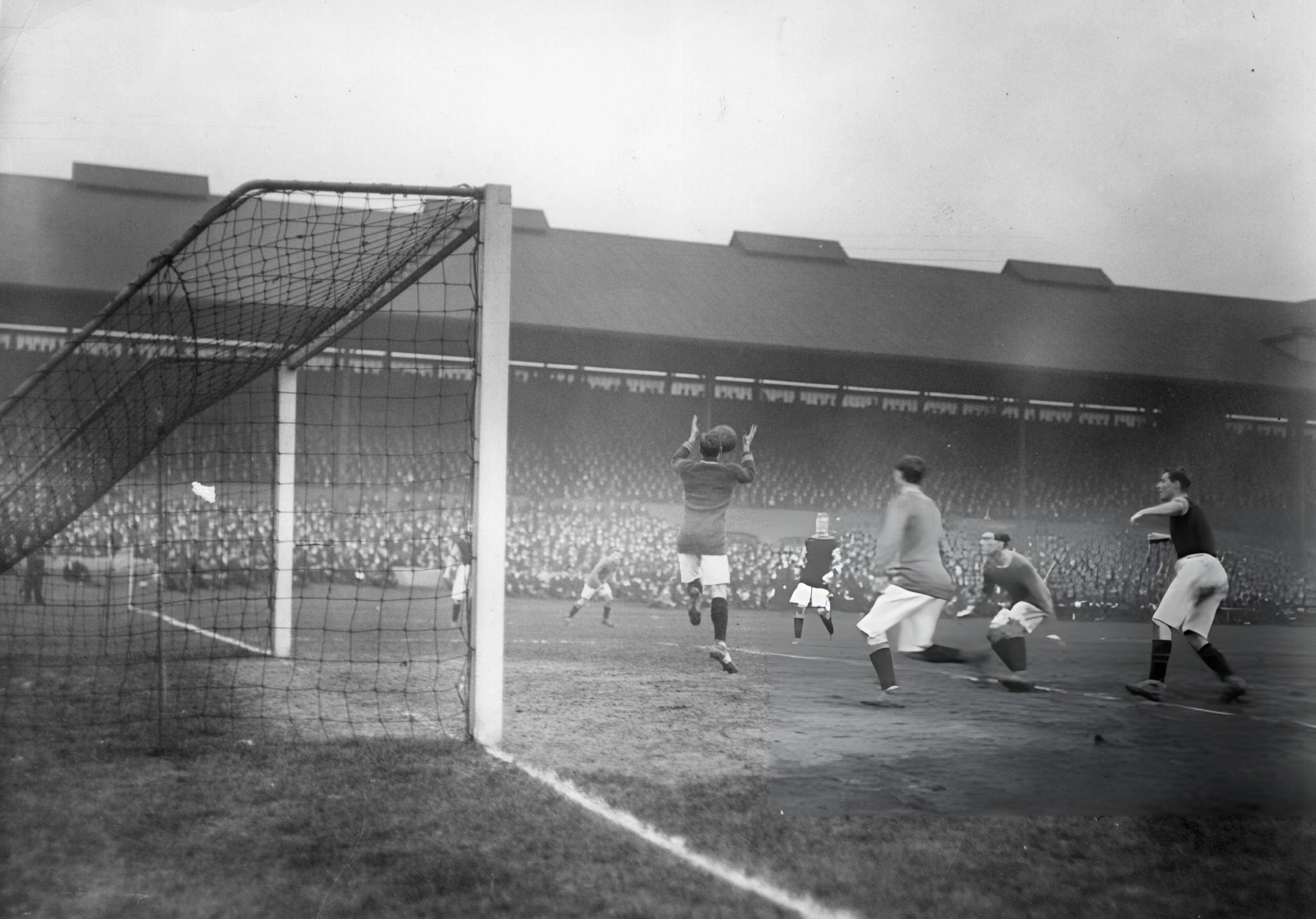
The biggest headline here is the rarity. Aston Villa have not won ten consecutive matches since 1914. Back then, the club had already lived through a golden era in its history (1893–1900) and was considered one of the most powerful teams in England. The historical parallel sounds especially striking because this is not just a “Premier League era” statistic, but an achievement unseen for more than a century.
The 1913/14 Season: How a Streak Turned the “Golden Double” From a Dream Into a Plan
In the 1913/14 campaign, Villa were chasing a “golden double,” supported by a huge legacy — six league titles and five FA Cup wins already on the board. That early-1914 surge made the chances feel real: seven straight wins in the league and a run to the FA Cup semi-finals. The streak began on 10 January with a 4:0 demolition of Stoke City in the FA Cup and ended on 28 March in the same competition — a 0:2 defeat to Liverpool. In the league, Villa finished second, unable to catch Blackburn.
The Best Run in the Premier League Era: Seven Straight League Wins and a Six-Club Comparison

Narrow the focus to the Premier League, and Aston Villa’s current mark — seven consecutive wins in the league — has already put them level with six clubs in terms of streak length. The list includes Everton (2014), Leeds (1999), Newcastle (1996), Wimbledon (1996), which was dissolved in 2004, Blackburn (1994), and Sheffield (1992–1993). For Villa, this matters: it is not a one-off shock, but the kind of sustained consistency that usually defines teams in the top half of the table.
The Next Target Is Leicester and Tottenham Territory — but the Fixture List Is Ruthless
Now the Birmingham side can aim not only to improve the club record, but also to take a swing at the streaks posted by Leicester and Tottenham. However, the tests ahead are serious: Villa still have matches against Chelsea and Arsenal. These are games where it is not enough to “keep the pace” — composure is essential, because one mistake in positional defending or one lost duel can bring any run to a sudden stop.
The Elite Benchmark Is Still Far Away: 18-Win Monsters and Title-Season Streaks

When it comes to the very longest winning runs in the Premier League, we are talking about a completely different altitude. The top five includes 18-match streaks from Manchester City and Liverpool. Arsenal and Manchester United set their records back in the early 2000s, while Chelsea won 13 league games in a row under Antonio Conte in the title-winning 2016/17 season. Against that backdrop, Villa’s current surge looks like a ticket into the elite conversation — but there is still a long, hard road to the club’s “all-time” numbers.
Pre-Premier League Records: Nine Straight Wins in 1910 and Targets From Distant Eras
If you take the entire history of England’s top flight, Aston Villa also have something to chase. In 1910 they won nine matches in a row, but still did not win the title that season — finishing one point behind Manchester United. The record for the longest winning run before the Premier League era belongs to three clubs: Preston (1891–1892), Sunderland (1891–1892), and Tottenham (1960) — all with 13 consecutive wins.
A Streak as a Marker of Maturity: Why Today's Villa Sounds Different
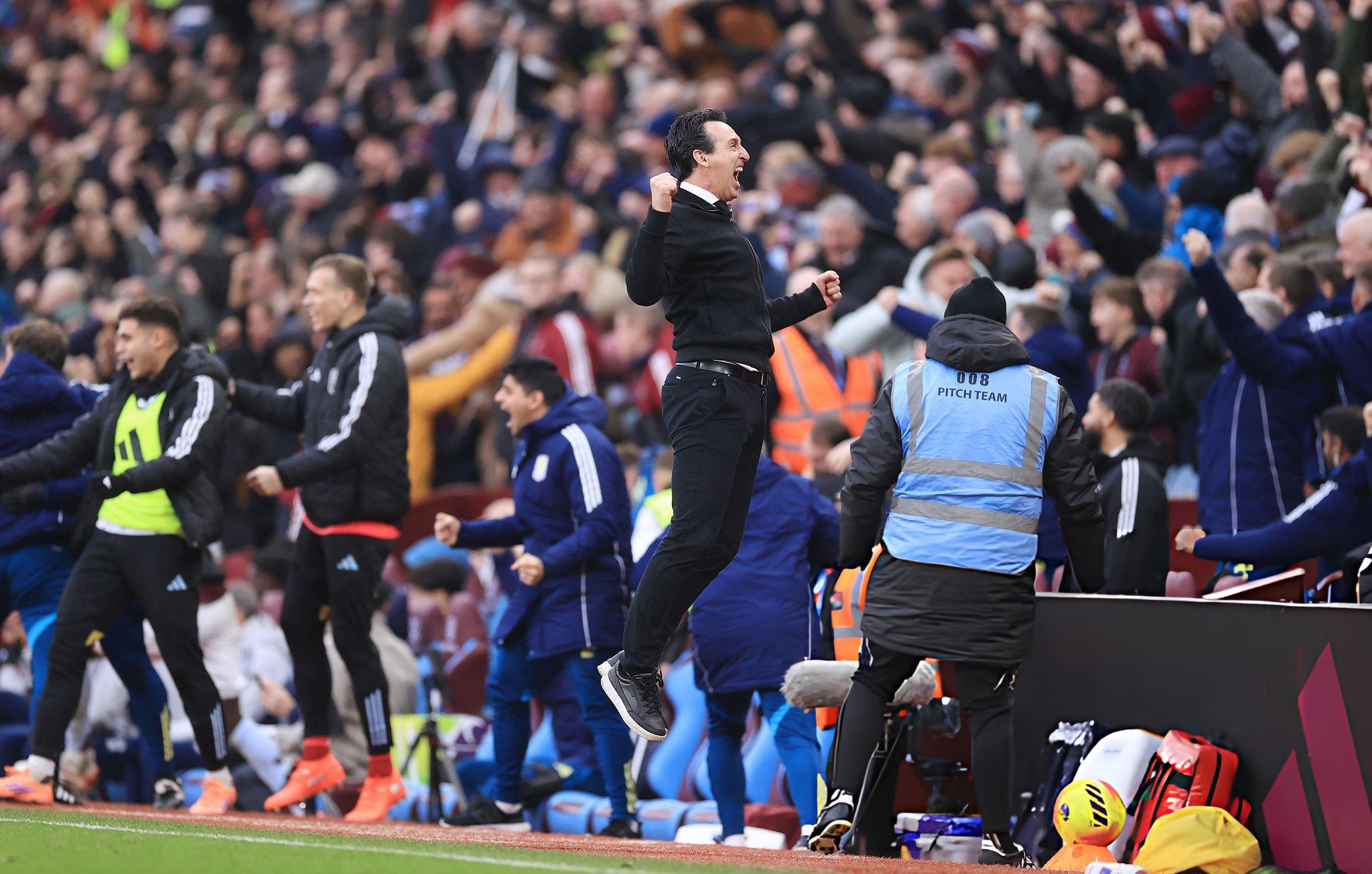
The biggest thing Emery’s side gain from this run is not only points and position, but status. Aston Villa are again seen as an opponent that sets the tempo, imposes its game, and knows how to turn matches into results. And when today’s form suddenly lines up with figures from a century ago, it stops being just a “nice stat” and becomes a signal: the club is moving back toward the level that once felt natural for it.