
Sometimes football serves up plots that feel like they were written by screenwriters with a decent sense of humor. Algeria vs. Sudan at the Africa Cup of Nations in Morocco was supposed to be your standard “yeah, it’s a group game” kind of night. And yet the surprise “main character” turned out to be someone who didn’t even lace up boots: Zinedine Zidane. The moment he was spotted in the stands in Rabat, the stadium fired up the classic chant more than once: “Zizou! Zizou!” Let’s be honest, you don’t get that kind of VIP-box energy behind you every day.
Zizou in the Stands, Luka Between the Posts: The Family Watch Has Changed Hands
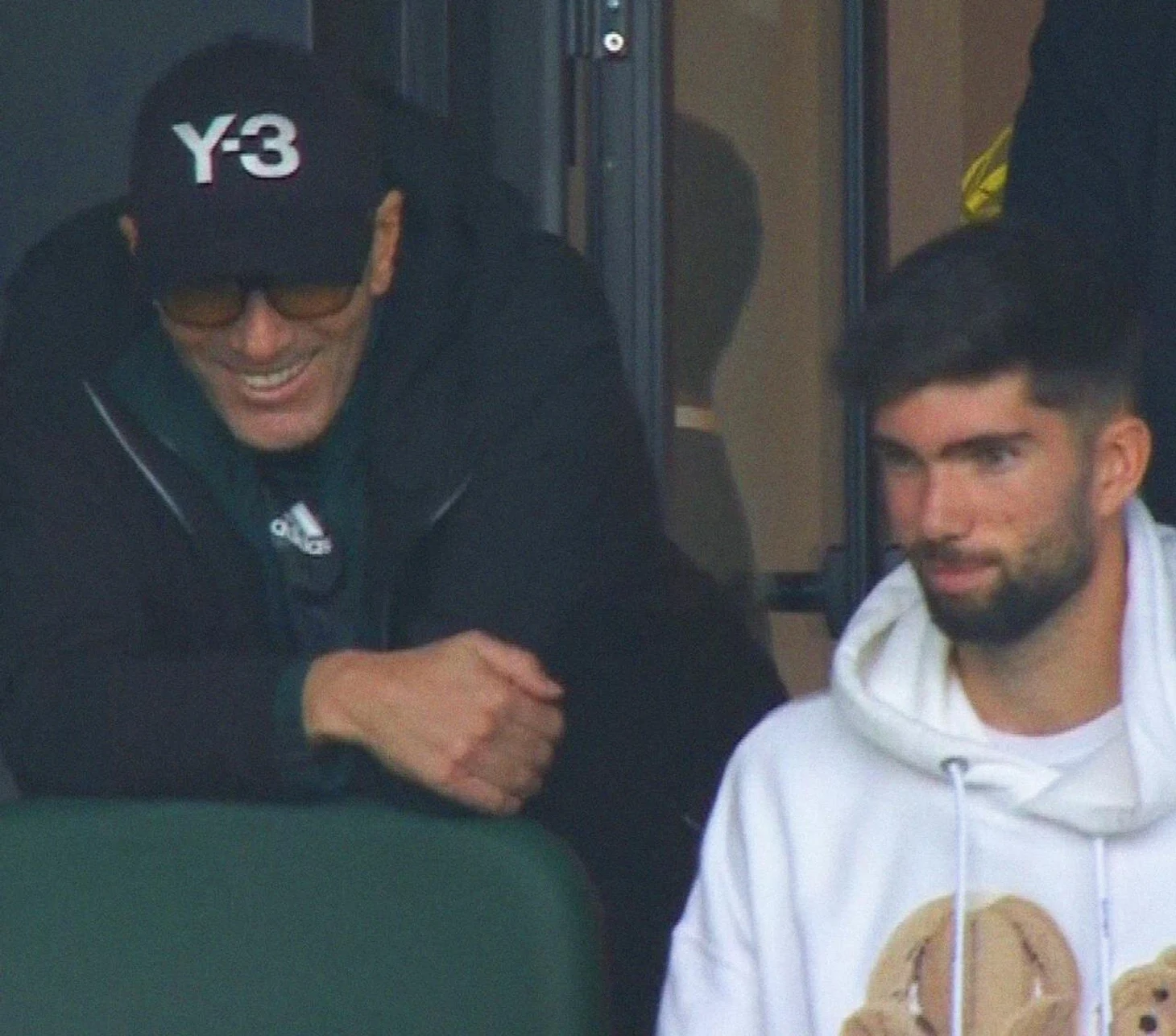
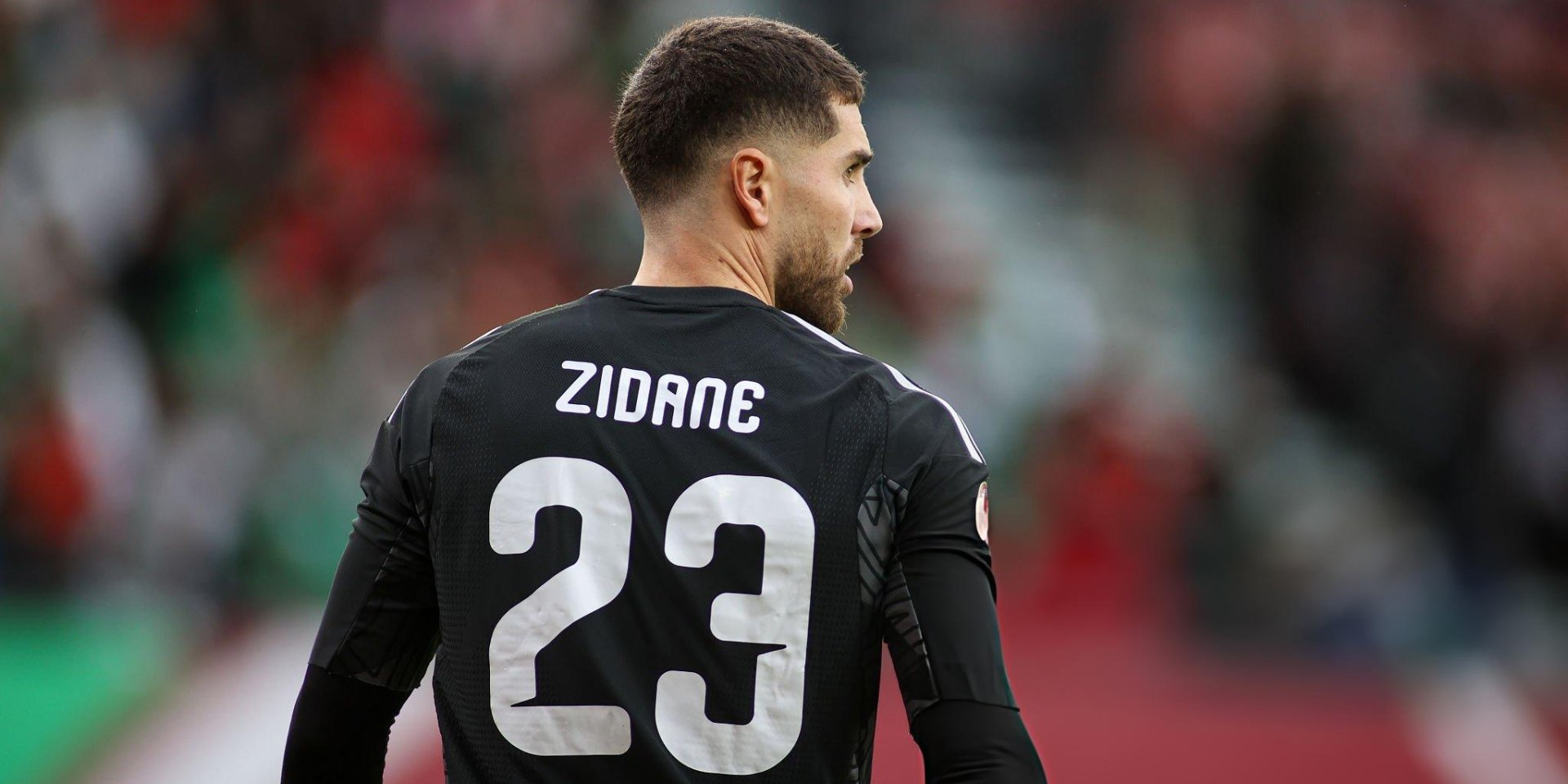
Zidane Sr. came to watch his son Luka, who’s now guarding the goal for Algeria. And to be fair, this trip didn’t turn into an awkward family viewing party of “hang in there, son.” Luka looked composed: two saves, a clean sheet, and overall that vibe of “this isn’t a random adventure, it’s been thought through.”
Algeria, by the way, had zero interest in drama: 3–0 vs. Sudan, a Riyad Mahrez brace, plus another one from Ibrahim Maza of Bayer. In a setup that comfortable, a keeper’s job isn’t just reflexes — it’s managing the back line, timing your claims, reading low cutbacks. Luka looked exactly like that: not a kamikaze hero, but a goalkeeper people trust.
How Luka Zidane Ended Up With Algeria: Logic, Scouting, and a Bit of Fate
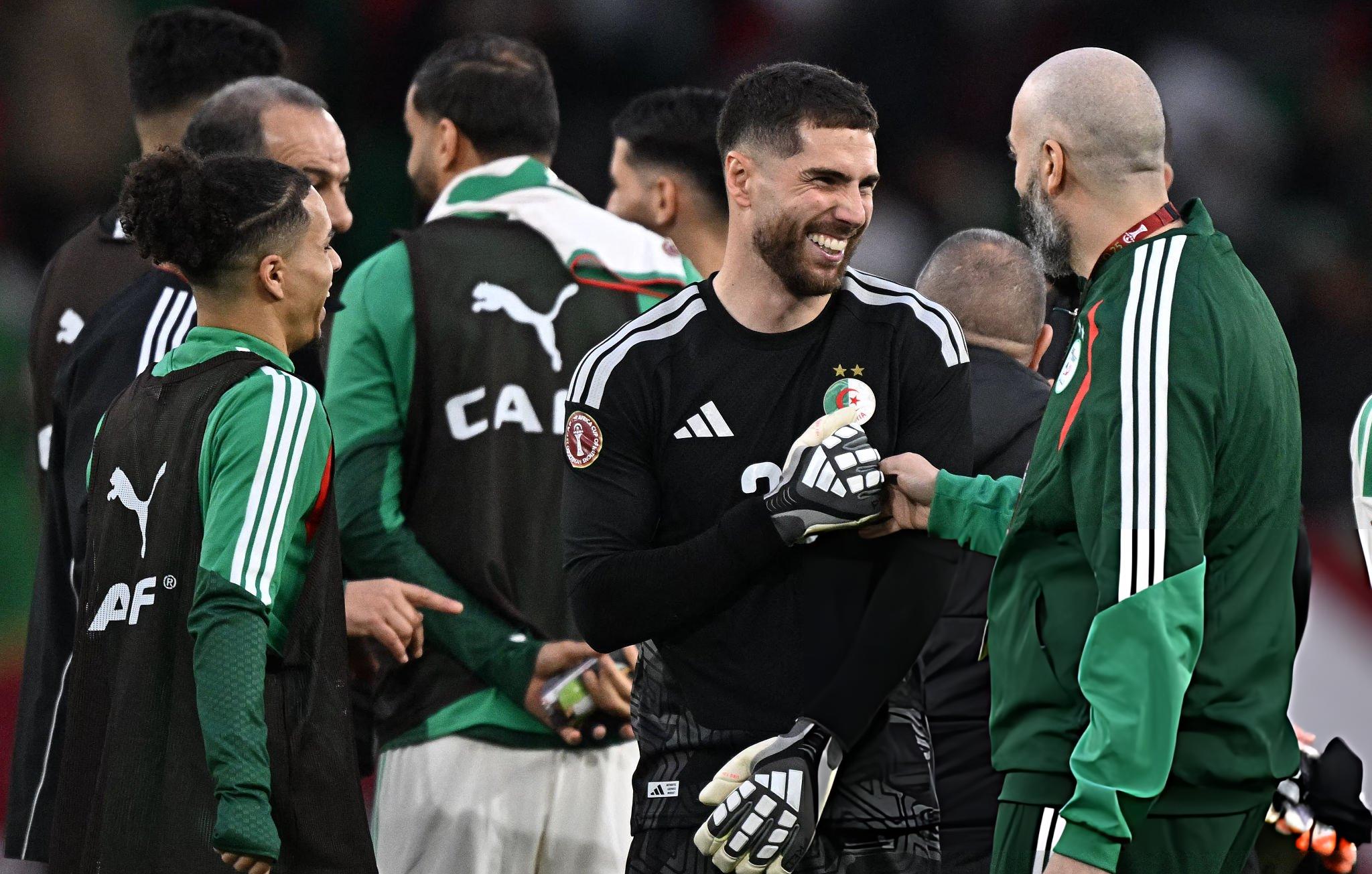
For years, Algeria’s undisputed No. 1 was Raïs M’Bolhi — yes, the Krylya Sovetov legend some of you will remember. He’s still playing, but he hasn’t been called up since January last year, and he hasn’t appeared for the national team since 2022. After that, the gloves went around: Anthony Mandrea from Caen (who’s now down in France’s third tier) and Saint-Étienne academy product Alexis Guendouz — he was the starter at the last Africa Cup of Nations.
Looking for alternatives, the federation landed on Luka — currently Granada’s first-choice keeper in the Segunda. For the national team, that’s a pretty neat package: a European football education, steady minutes, proper match sharpness. And the roots connection is clear enough. Zizou, as everyone knows, has Algerian heritage: his parents are Kabyles, a Berber people who moved to Marseille after the start of the civil war.
Luka said the family backed his decision, and his grandfather Smail was basically the biggest cheerleader for playing for the land of his ancestors. And honestly, that’s the most human part of this whole story: not PR, not hype, not “jumping on something ready-made,” but wanting to do something meaningful for the family.
FIFA Said Yes, the Debut Was Nervy, and Now It's a Clean Sheet and Dad's Grin
In September, FIFA approved Luka’s switch of football nationality to Algeria, and in October he got his first call-up. He debuted against Uganda, conceded in the 6th minute (the defense collectively put on a “performance” there), but Algeria still won 2–1. For a first game, that’s fine: the key is he didn’t crumble, and the team got the result.
Then came football’s classic little plot twist: in December, Alexis Guendouz broke his shinbone, the coaching staff picked Luka to start the first match of the Africa Cup of Nations — and he delivered a shutout. I can already see the scene: the No. 23 shirt flies from Morocco straight to Grandpa Smail. Because sometimes the biggest trophy isn’t a cup — it’s hearing “I’m proud of you” in a shaking voice on the phone.
The Zidane Brothers Scatter: Where the Other Sons Are and What Each Is Playing For
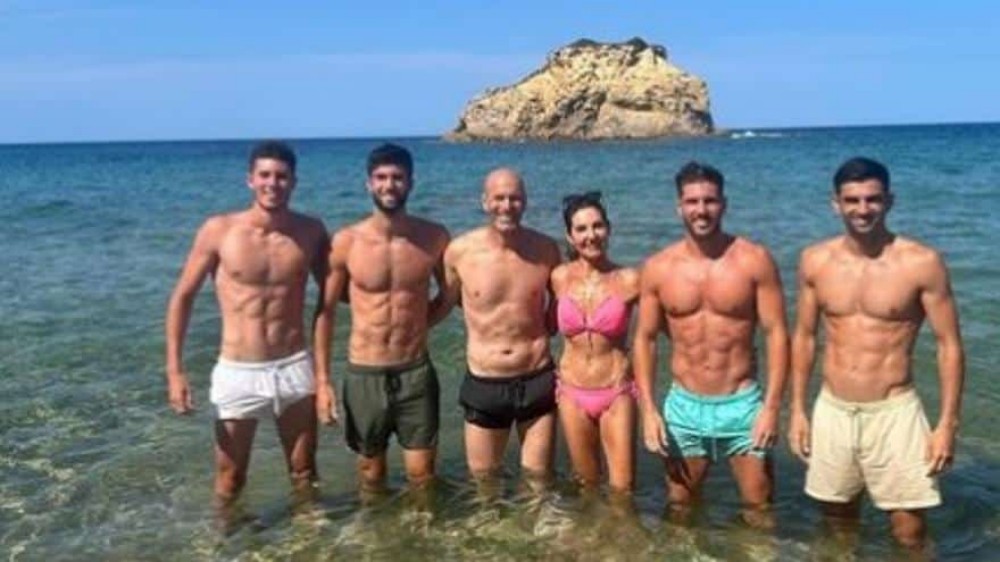
Zinedine and Véronique have four sons. All of them are connected to football one way or another (well, except one who basically said, “thanks, I’m full” and walked away).
Enzo: There's a Real Madrid Goal, but the Fairy Tale Ended Before the Happy Ending
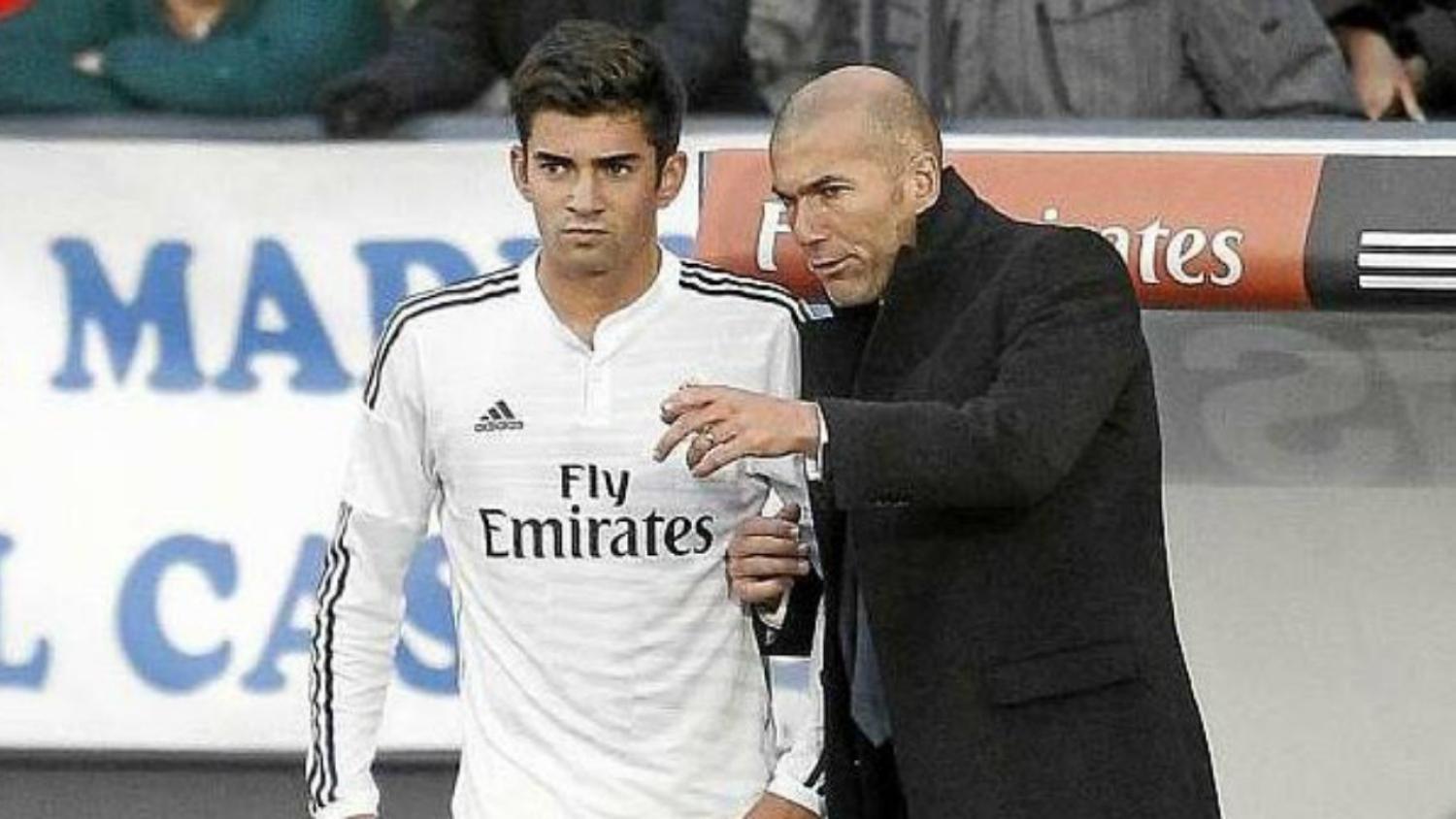
The eldest is Enzo — the firstborn Zizou named after his idol, Marseille’s No. 10 Enzo Francescoli. Enzo came through Real Madrid’s academy, spent time with Castilla, and even played one match for the senior team. Not just a cameo, either: in 2016, dad sent him on for the second half of a Copa del Rey match vs. Cultural Leonesa at 3–1, and Enzo scored the fourth after an assist from Mariano Díaz.
After Real, his career turned into a football road movie: Alaves, Switzerland’s Lausanne, then a tour of smaller clubs in Spain and Portugal. Enzo also played for France’s Rodez, where his father is one of the investors. In 2024, the oldest Zidane left Fuenlabrada from the third division, and in September 2024 he ended his career at 29. Now Enzo is focused on projects outside sport and investments — and honestly, that’s a grown-up call. Not everyone has to “carry the surname” until 35.
Theo: Most Like His Dad, but Still in “He'll Get His Chance” Mode
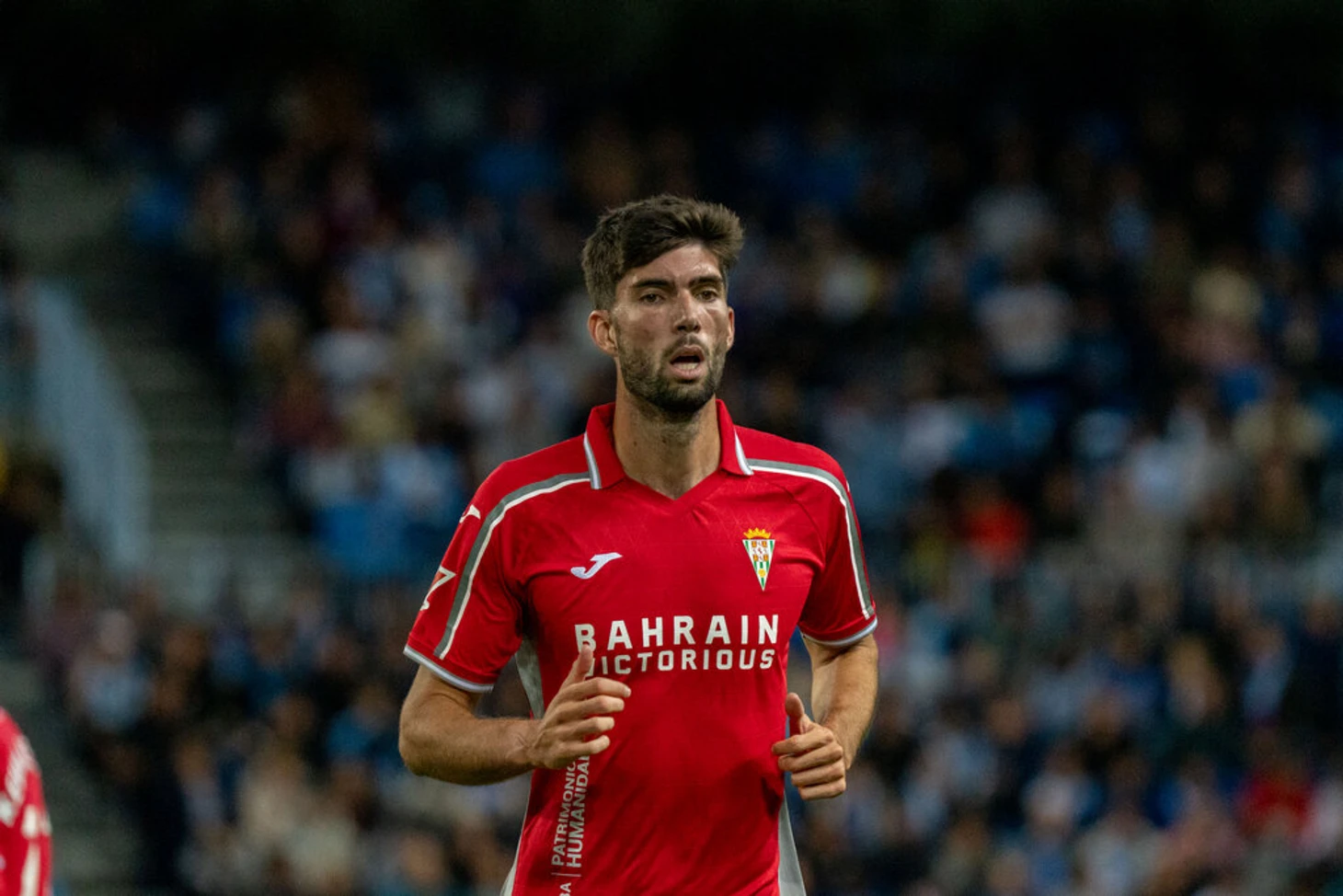
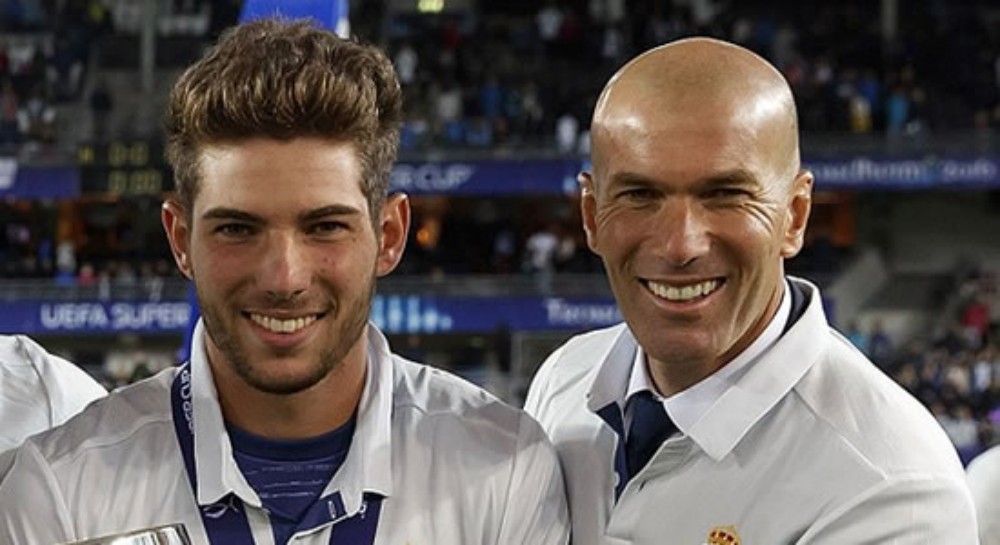
The third son is Theo. Like Enzo and Luka, he came through Real Madrid’s academy, grew into a central midfielder, and since last summer has been playing for Cordoba in the Segunda. Of all the brothers, he’s probably the closest to his dad stylistically — tall (196 cm), technical, quick. Real’s own site described him as a strong finisher.
In the 2023/24 season, Theo made the squad for Real Madrid vs. Napoli in the Champions League group stage. He didn’t get on the pitch, but that was enough for Wikipedia to label Zidane-the-son a Champions League winner. Yes, it’s a stretch — but unlike his older brothers, Theo hasn’t played for Madrid’s first team yet. Still, he’s only 23, so there’s time!
Theo came to the Algeria vs. Sudan match with his father as well — because of an injury. He played through pain for the first part of the season, then finally had surgery in December and will be recovering for the next three months.
Elyaz: A Center-Back, a Lefty, and the One Who Has It Toughest
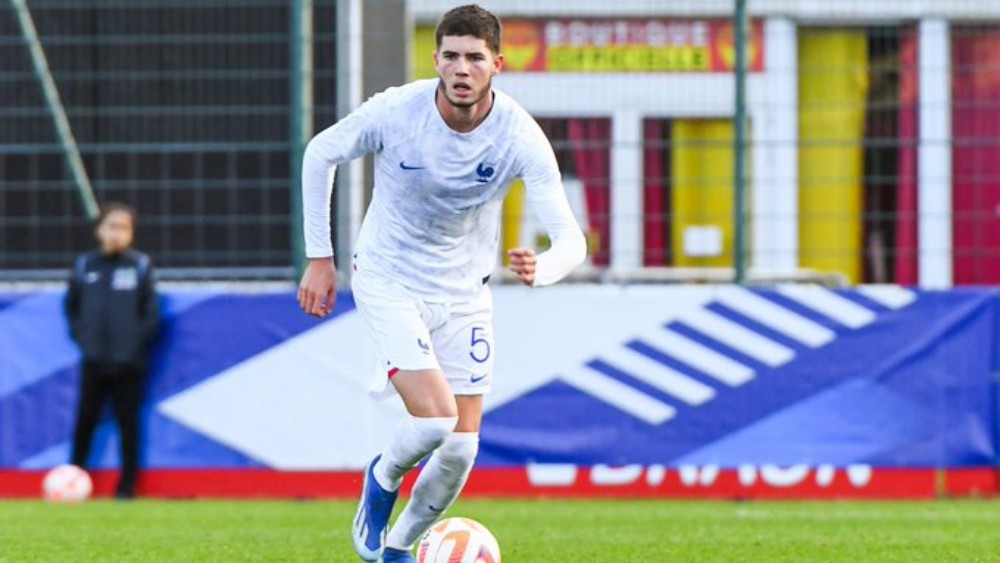
The youngest is Elyaz. He’s only 19. Also a Real Madrid academy product, but last year he moved to Betis’ youth setup. He’s already up to 194 cm and plays at center-back for Betis Deportivo in the third tier.
The Sevilla club has high hopes for Elyaz — and his France youth national-team record helps, too. In 2022, Zidane won the U-17 European Championship, but in that team he was mostly a rotation player (they beat the Dutch in the final — with Dean Huijsen on the other side). And in 2025, Zizou’s fourth son went with the U-20s to the youth World Cup.
He made a mistake in the first match, but ended up becoming a regular starter and even wore the armband in the third-place match (France lost the semifinal to Morocco on penalties). Head coach Bernard Diomède praised Elyaz: “I’m a lefty myself, so I can recognize a good left-footed player — Elyaz has not just physical power but also technique. You just have to leave him alone — we spent three years taking the weight of responsibility off him. It’s incredibly hard to be Zidane’s son. It’s good to see him showing himself in the team now. He can reach the very highest level — the main thing is to play.”
“National Teams by Roots”: Reality of the 2020s and Some Honest Grumbling
There’s a bigger trend here: lots of African national teams — and some from Asia and UEFA too (think Turkey, Albania, Kosovo) — stopped representing only their local football schools a long time ago. Instead, they look for players in Europe with the right roots and try to bring them in. Often those internationals don’t even speak the language of that nation (unless we’re talking French, German, or English).
With Luka, it’s not just that he wasn’t born in Algeria — even his parents weren’t born there.
Honestly, these are the squads that are “not quite real” — not the Western European teams where racists complain about players’ skin color. In those countries, players are almost always born and raised there and learn football in those same European systems.
Sure, it’s their right. Good luck to Luka. Who knows — maybe France will have Elyaz under Zinedine one day, and in 2030 they’ll face Algeria with Luka Zidane on the other side.
And if Elyaz doesn’t reach France’s senior level, he might end up in Algeria too.