
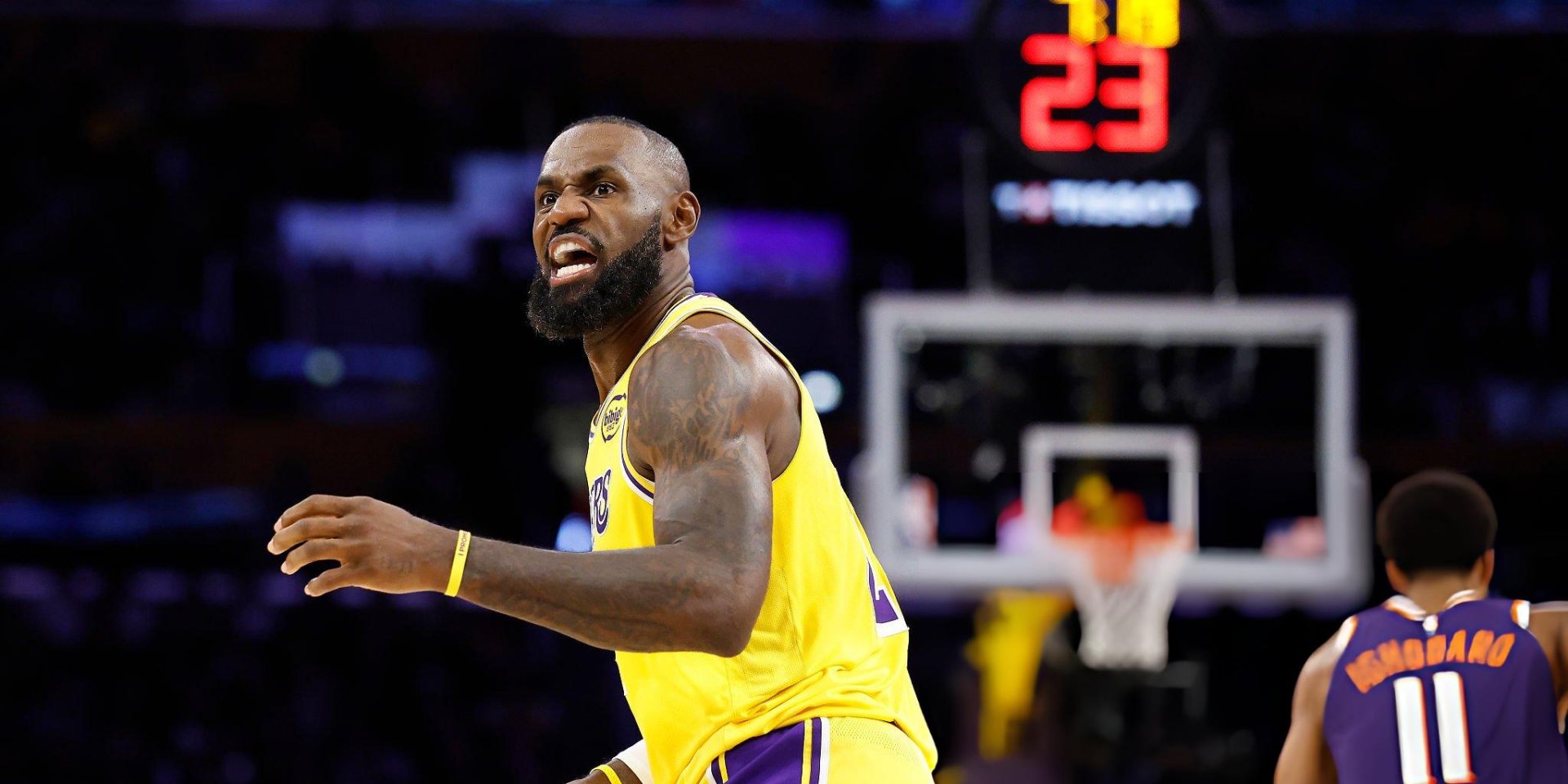
At some point it started to feel like LeBron James was battling not the opponent, but his own personal record. The game against the Phoenix Suns stopped being a fight for the result and turned into a strange hunt for a tenth point – at the expense of the game itself, emotions, and the head coach's patience.
When the Record Becomes the Goal Itself
Over his long years in the NBA, LeBron has put together a collection of achievements that could already go into textbooks. One of them has been going on for 18 years – a streak of games in which he consistently scores at least 10 points. Against Phoenix, this run could have stopped at 1,297 games, and it almost felt like it was supposed to end right there.
The question of how much such a streak really reflects a player's greatness is far from idle. In this case it rather shows how important and personal it has become for James himself – to the point that he was willing to squeeze out points from a game that had long been lost.
Hunting for the Tenth Point in a Dead Game
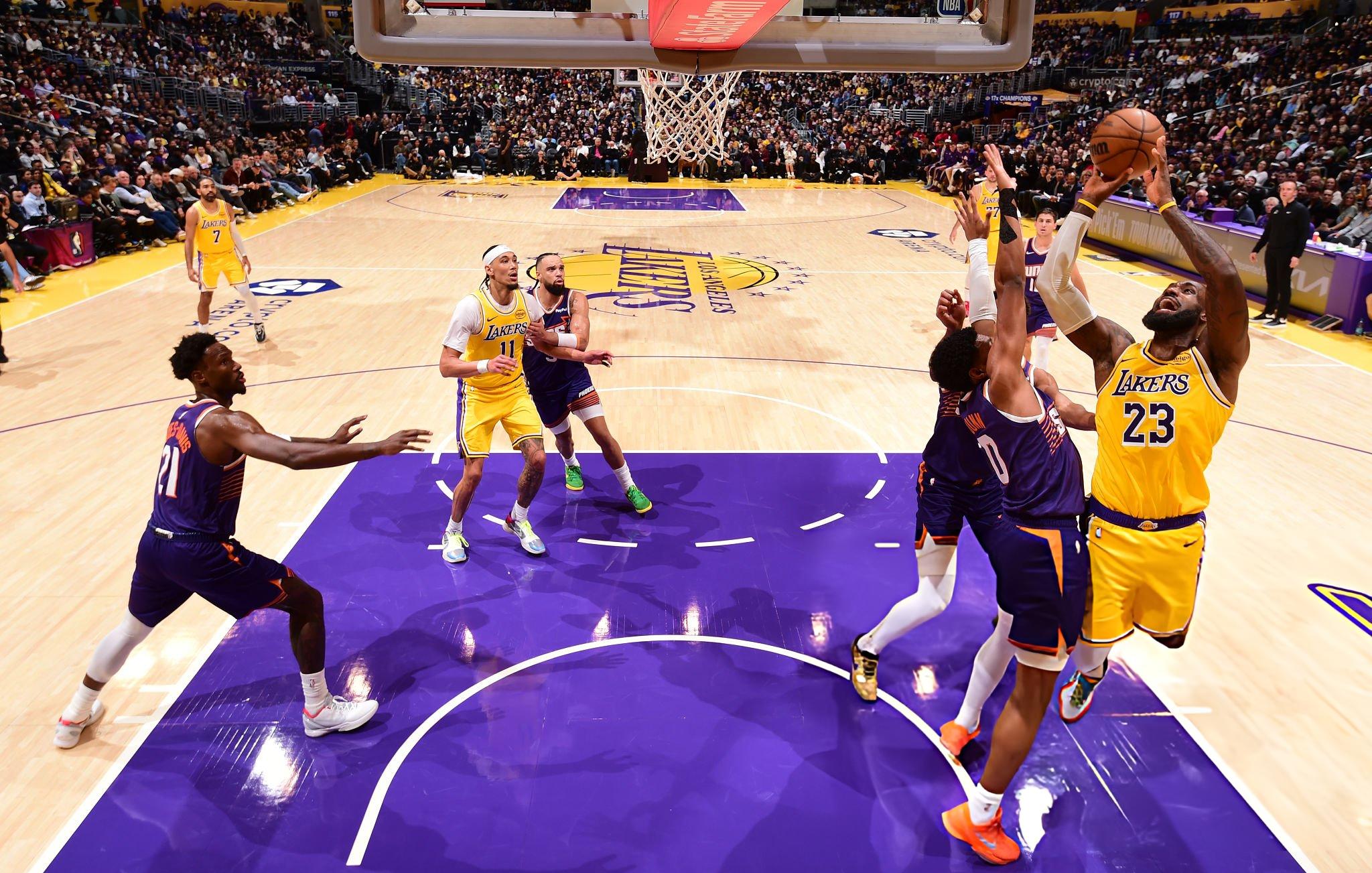
LeBron got that coveted tenth point with seven minutes left on the clock, when the Lakers were hopelessly trailing by around 25. It was a beautiful, difficult three-pointer from almost nine meters out – a shot that looks great in highlights but does absolutely nothing to change the essence of the game.
Right before that, in the stretch from 7:19 to 6:20 of the fourth quarter, James took three shots in a row. At that moment Phoenix was calmly controlling a lead of more than twenty points, Luka Doncic was already resting on the bench, and the game itself had long since turned into a mere formality. Nevertheless, LeBron kept looking for a way to write that "10" into the score sheet.
Box Score That Hurts the Eye
LeBron's final stat line in this game looks unexpectedly helpless: 10 points on 3-of-10 shooting from the field, zero rebounds, and three turnovers to go with three assists. For a player used to dominating every statistical category, this is almost an anti-advertisement.
At the same time, part of his energy was not going into basketball at all. Late in the third quarter, when the Lakers were already hopelessly behind, James was actively trading barbs with the Phoenix bench, even though what the team needed was not words, but leadership. Unfortunately, moments like this are not reflected in the box score, yet they strongly influence how everything on the floor is perceived.
Coach at the Breaking Point
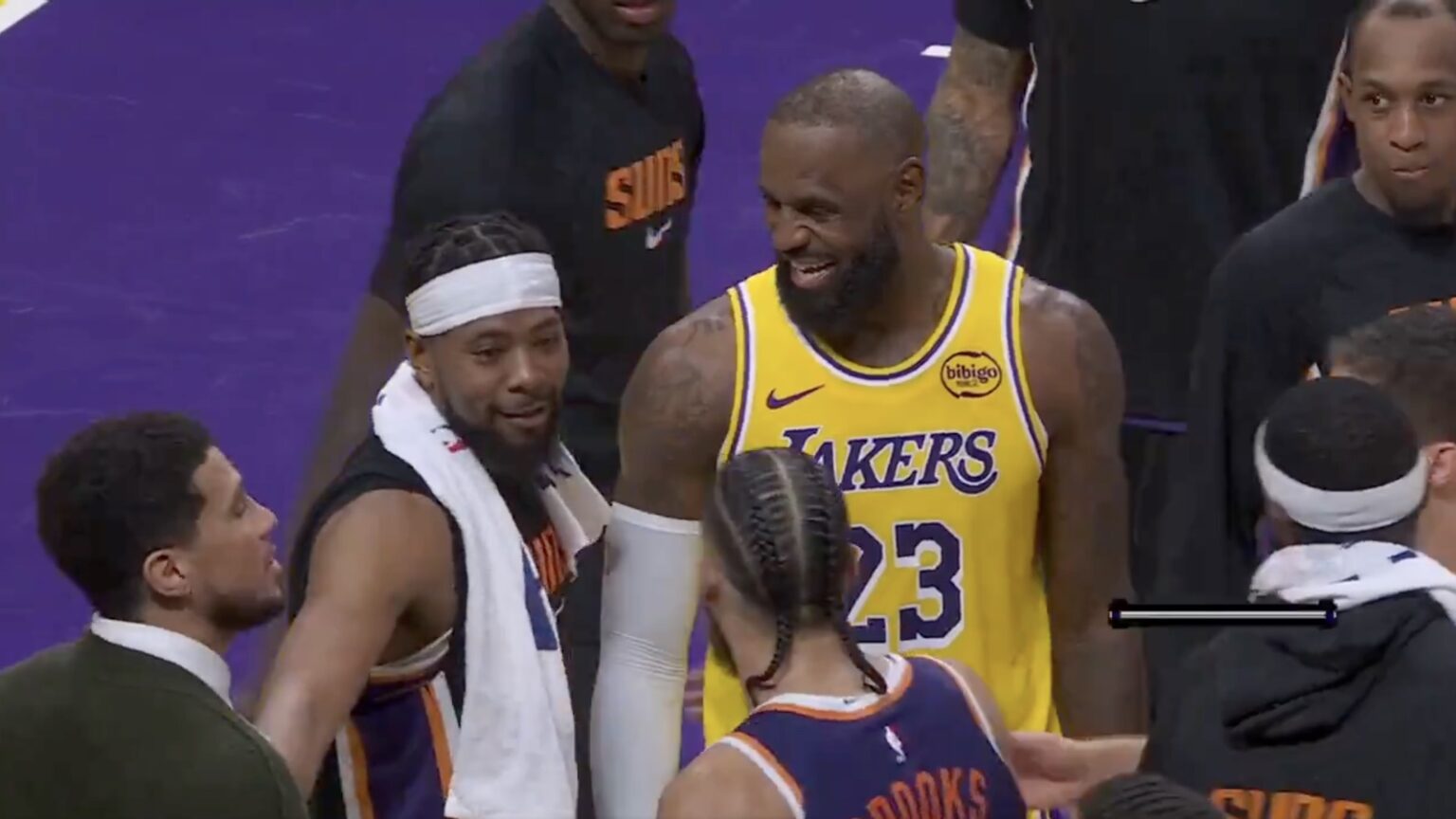
The key episode of the night came when head coach JJ Redick finally snapped. Seeing his star forward more focused on talking and personal spats than on playing, he called a timeout and shook his head in clear frustration.
LeBron did not hurry back onto the floor, even in response to direct gestures from his coach. It looked as if what mattered more to him was the unfinished conversation, not the coach's instructions. Almost immediately after the streak had been "saved", Redick sat James down on the bench, effectively admitting that there was no point in him staying on the court any longer.
Dillon Brooks: The Old Irritant Returns
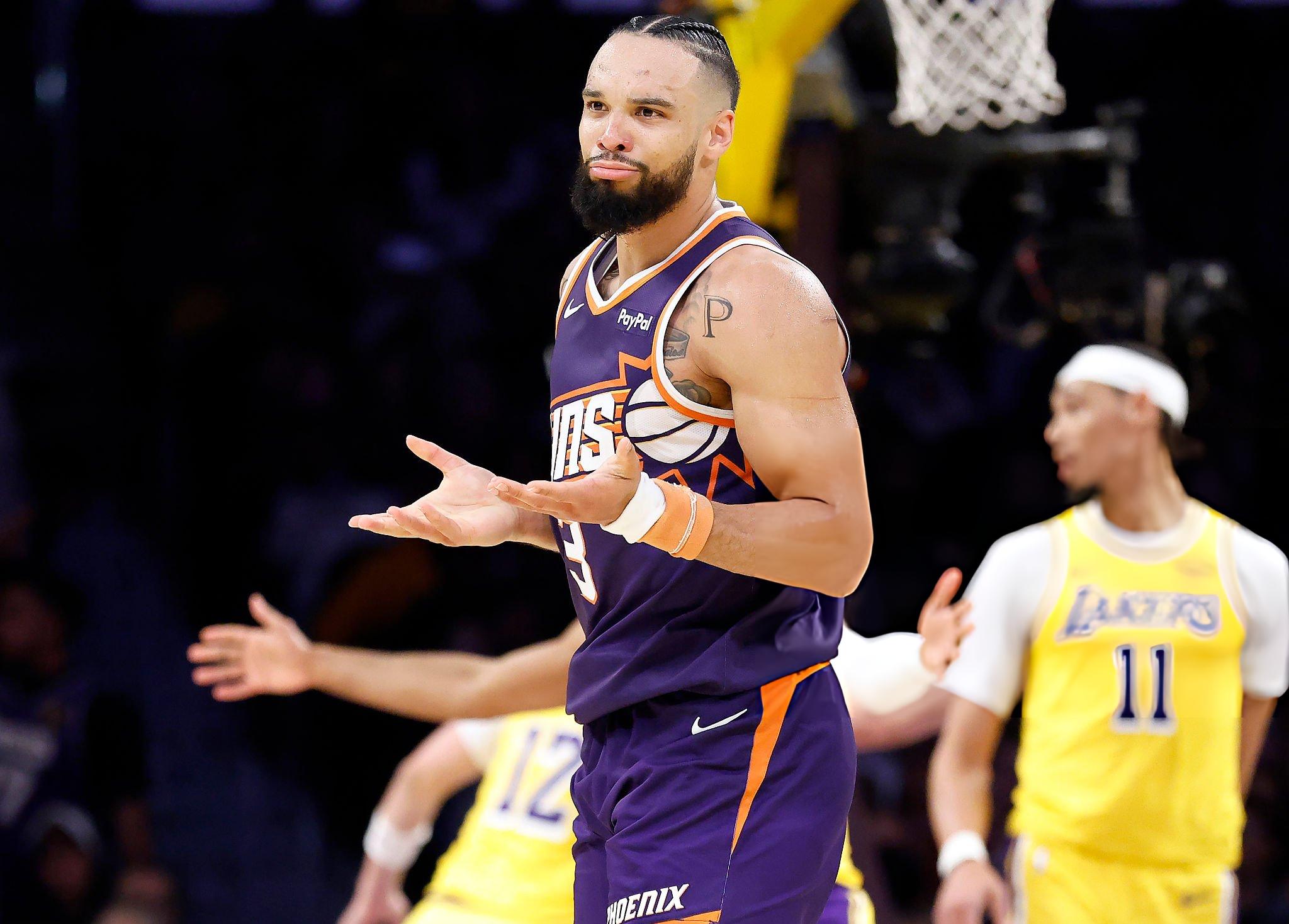
A separate storyline of the evening was the duel with Dillon Brooks. The Canadian forward became known back when he played for Memphis for constantly pestering LeBron, and in a Phoenix jersey he kept using the same tactic.
Brooks taunted James throughout the game, and after one of his dunks he celebrated with LeBron's signature shoulder shimmy. After the game he summed up his stance in simple terms:
"He likes people who bow down to him. I don't do that. It either fires him up or annoys him – one of the two."
Against the backdrop of LeBron's prolonged struggles, Brooks's numbers look especially striking: 33 points, the role of Phoenix's leading scorer, and effectively becoming the team's on-court leader after Devin Booker left for the locker room with a groin injury already in the first quarter.
The Record's Longevity and a Fragile Image
From a formal standpoint, LeBron's streak of games with 10 or more points has been extended – and the statisticians will be satisfied. It still impresses with its length and consistently reminds everyone of his longevity on the court. But this particular game has become an example of how a great achievement can be prolonged in a very unimpressive way.
On that night against Phoenix, we did not see a legend leading his team forward; instead, we saw a superstar clinging to his own record and losing everything else – the game, his coach's respect, and his emotional balance. And it is hard to believe that this is the kind of page he would want to see in the book of his great career.