
The recent Fenerbahce — Anadolu Efes derby perfectly showed why you can’t watch basketball in Turkey “half-awake”: the hosts squeezed it out in overtime, 97:94, after regulation ended deadlocked (83:83). It was a tense, loud night full of momentum swings, Pablo Laso’s debut on Efes’ bench, and a yellow-navy hero performance from Sehmus Hazer, who poured in 31 points.
A Derby That Plays Like a Trailer for the Whole League
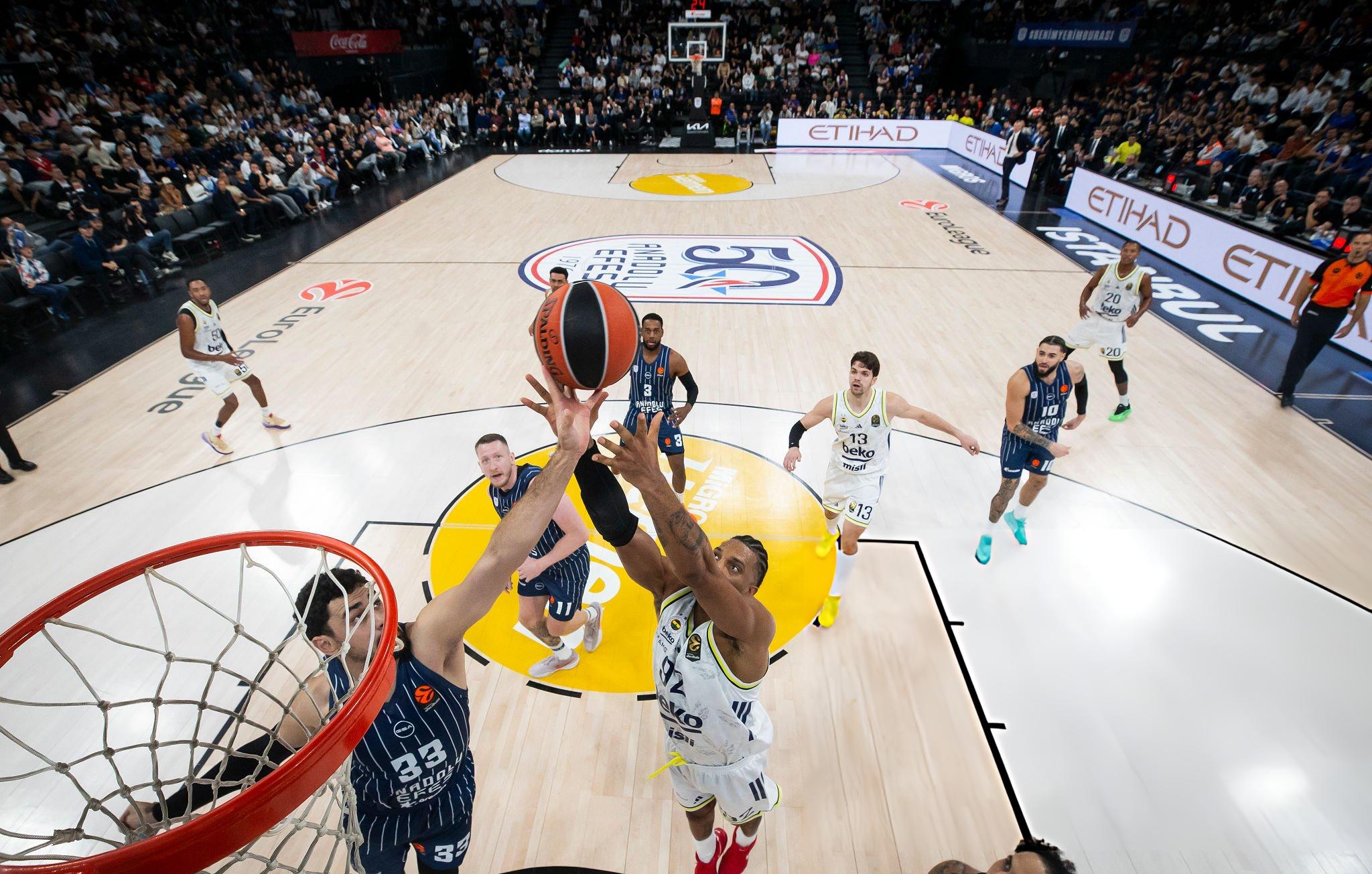
Fenerbahce and Efes are the shop window: elite level, European structure, star-studded rosters, and a habit of deciding games in the clutch. But the bigger point is this: even when two giants share the floor, Turkish basketball stays true to itself—emotional, direct, and a little fearless. Feelings aren’t hidden behind coaching clichés here, and the stands don’t need a spark to “switch on”—they arrive already blazing.
Life Is Boiling Outside Istanbul, Too
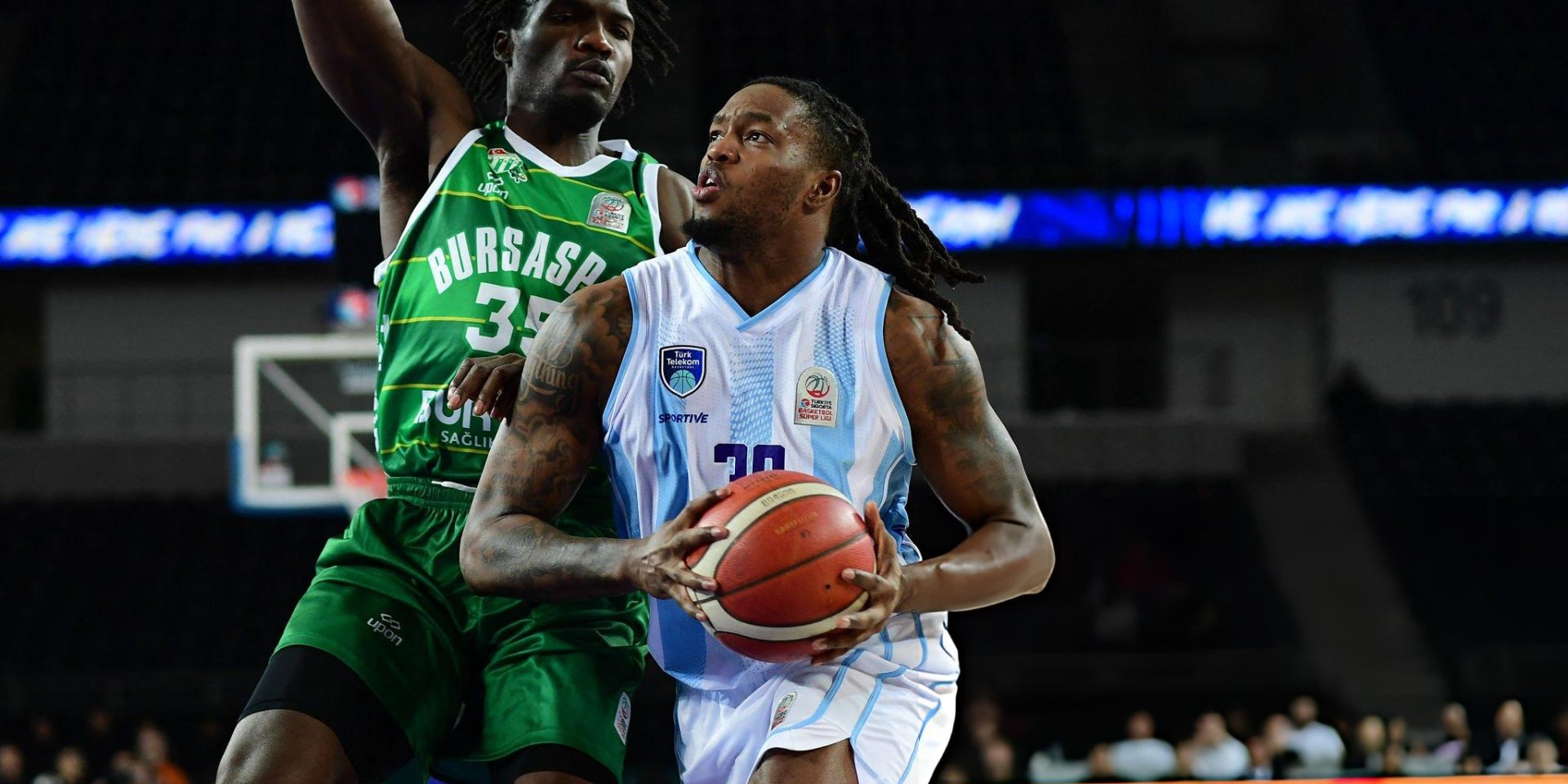
If you only follow the Istanbul billboards, you might think everything revolves around the Bosphorus. In reality, Turkey knows how to build basketball strongholds all over the country—and sometimes that’s exactly where you feel the league’s real “weight”: every rebound becomes personal, and any 8:0 run turns into a neighborhood-sized celebration.
A History With Character: How the Game Took Root
Turkey’s Basketball Super League is a championship with a biography: the game’s first steps in the country date back to the early 20th century, and the professional tradition has grown around decades of derbies, club legends, and generations of fans. The irony is that some early champions have long since changed names or remained only in other sports—yet the basketball culture never disappeared; it only got stronger.
Izmir That Sings Even Without Drums
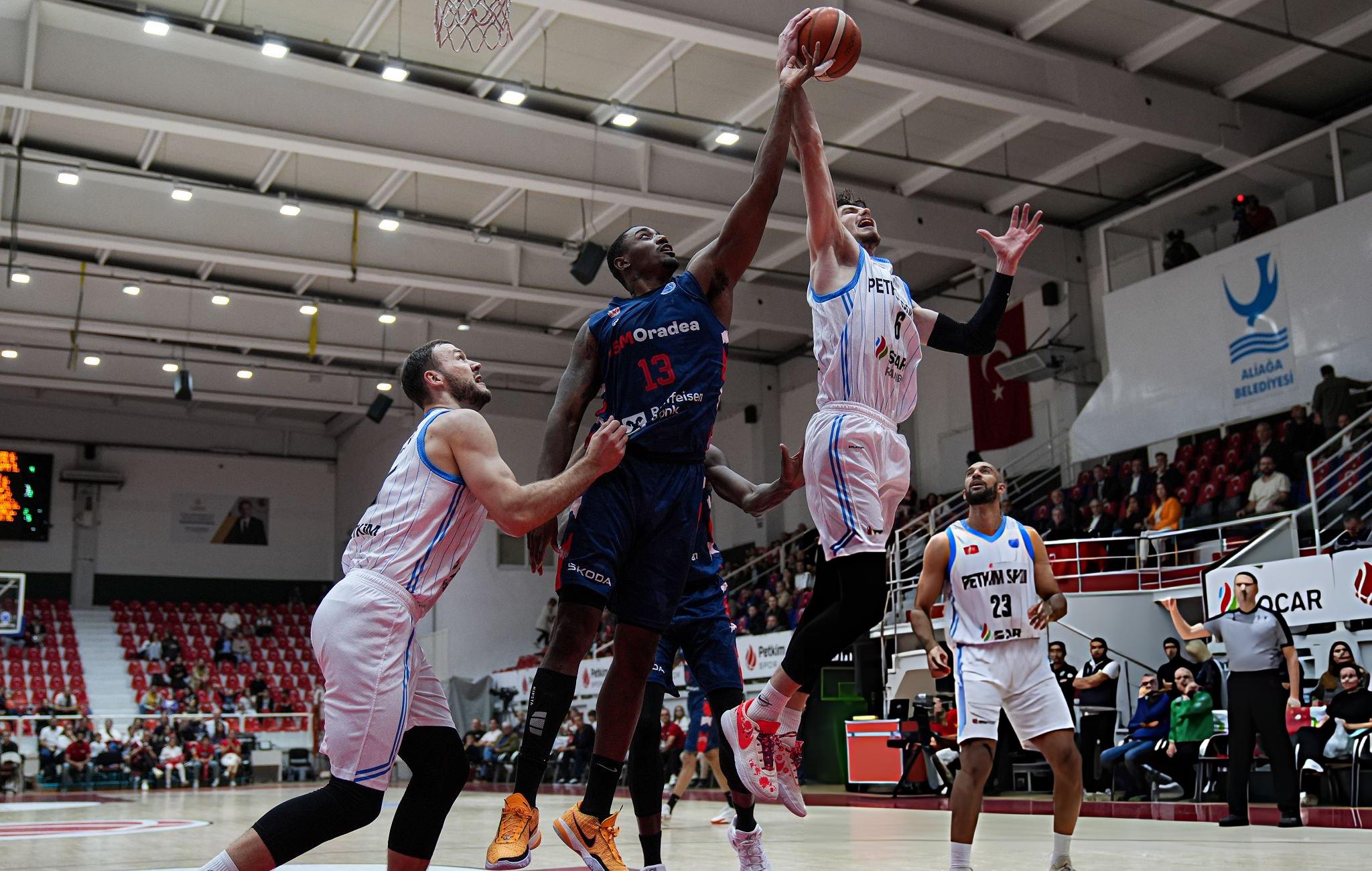
There are places where support isn’t a “show”—it’s a way of life. Izmir is exactly that kind of city: it can keep rhythm with voices alone, fill every pause with chants, and turn a game into a choral performance where the court becomes a stage and the players seem to be performing inside one giant, living speaker.
Karsiyaka and the Economy of Trust
A special genre of Turkish basketball is the clubs that survive not thanks to perfect budgets, but through stubbornness and solidarity. Stories about a whole city collecting money for salaries, travel, or everyday costs sound like folklore—yet this “people’s subscription” creates a unique effect: the team feels shared, almost like family. And when an Istanbul heavyweight walks into that atmosphere, the arena doesn’t just become unfriendly—it turns into a stress test.
Istanbul: Basketball With a Football Temperament
In the capital of Turkish sport, derbies live by their own laws, because many teams belong to larger multi-sport communities. Football ultras show up for basketball, and basketball fans return the favor—bringing familiar rituals with them: relentless noise pressure, banners, a shared memory of “enemies,” and that atmosphere that makes visitors feel like they’ve stepped into a cup tie away day.
Turkish Plot Twists: Act First, Think Later
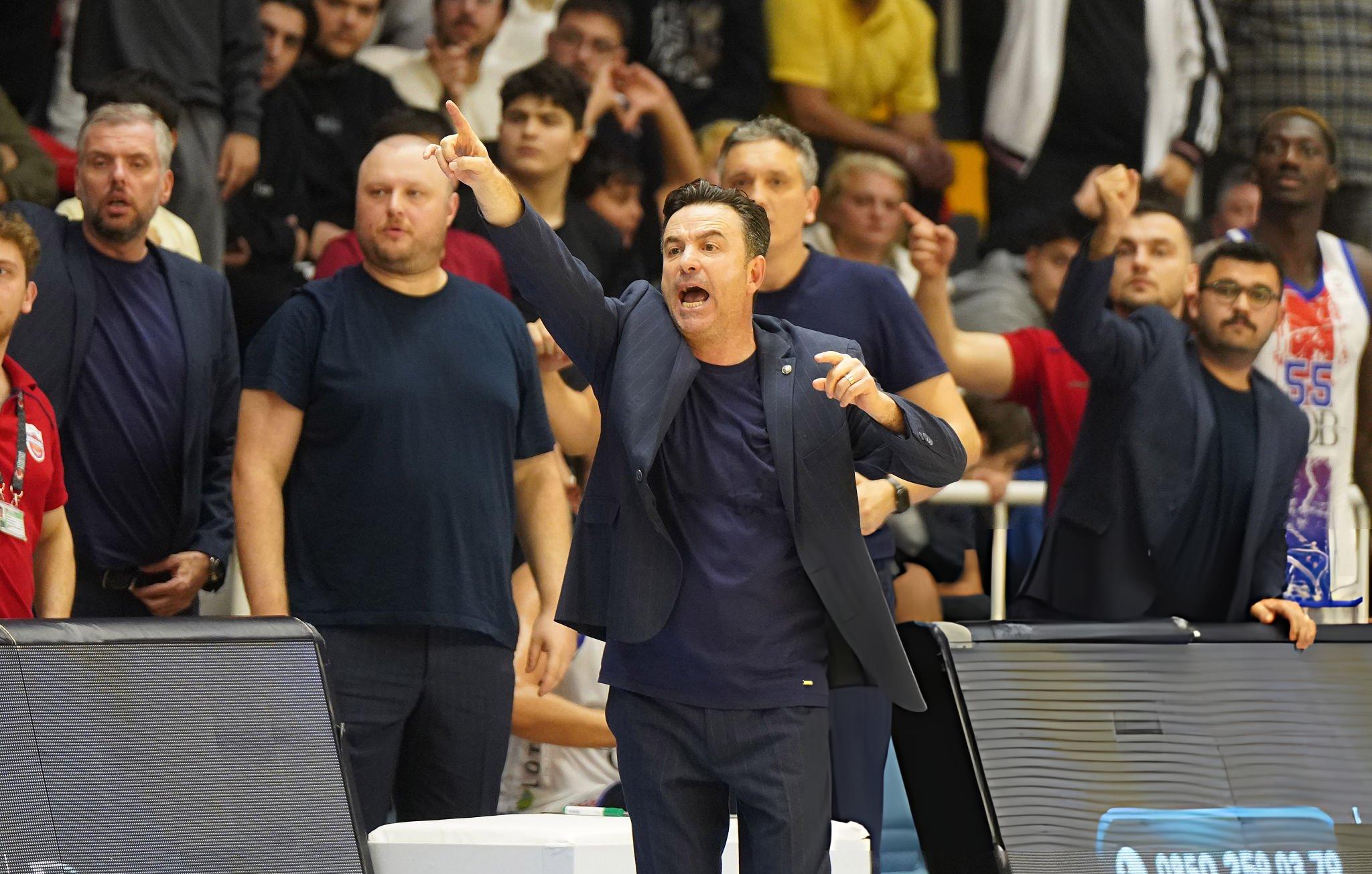
The Super League constantly produces stories that would look impossible in more “sterile” competitions: sudden funding turns, headline signings for a short stint, decisions made “on emotion,” and moves explained with a single sentence—“that’s how it is here.” There’s risk in it, and chaos too, but there’s also honesty: Turkey rarely pretends sport is just a passionless ledger.
The Foreign-Player Limit and the Passport Magic
You can write restrictions on paper, but in real life the Turkish league has long learned to live in the gray zone between regulations and opportunity. Naturalization, “basketball passports,” and players with diverse roots make rosters international even when everything looks compliant. It raises competition—and at the same time makes it tougher for local players to earn a rotation spot not by quota, but by level.
How Locals Break Through: A Road Built on Competition
That’s why the stories of players who grow up in the system and claw their minutes away from seasoned imports are even more valuable. The Turkish environment hardens you: if a young guard or big stays in the rotation here, he’s already used to crowd pressure, club demands, and the need to prove himself again every night. That’s also why games against a former club—especially after a rough stretch—stop being just another date on the schedule and become personal: the motivation spikes, and the stands get even louder.
A League That Hooks You With Temperament, Not Just the Score
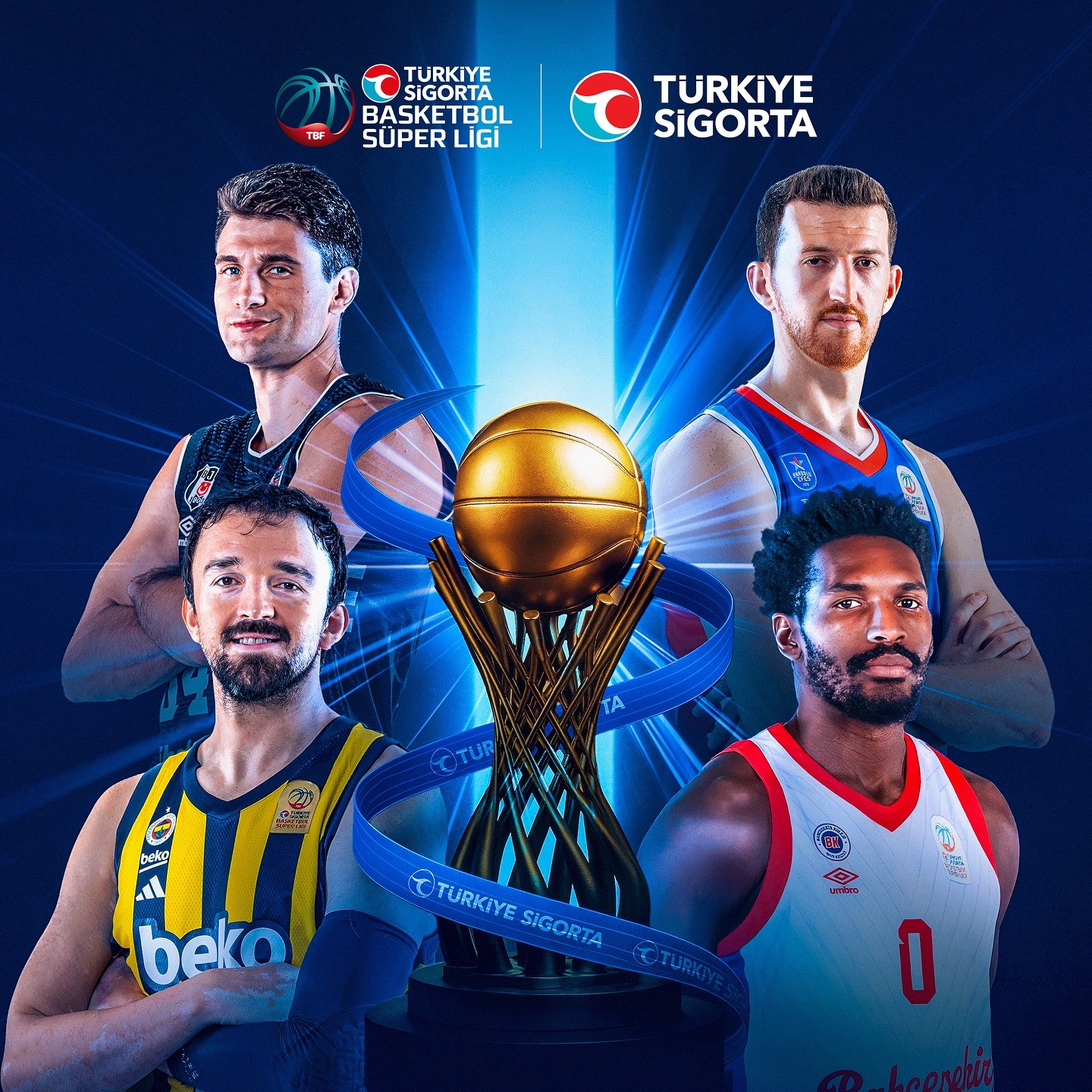
Turkey’s Basketball Super League isn’t only about trophies and marquee matchups. It’s a league of overtime derbies, cities rallying around their teams, and emotions that aren’t hidden for the sake of “proper phrasing.” And if you turned on Fenerbahce — Anadolu Efes and caught yourself watching on your feet, congratulations: now you understand why Turkish basketball is often called a collection of wild stories.