
In American basketball, a game is sometimes turned into a show not by coaches' tactics or star players, but by school kids in the stands and a strange internet meme. A routine women's college game suddenly became an illustration of how one mysterious number, "67", turned into a password to teen culture and burst into the arena together with Generation Alpha.
School Day, Hoops and a Noise Record
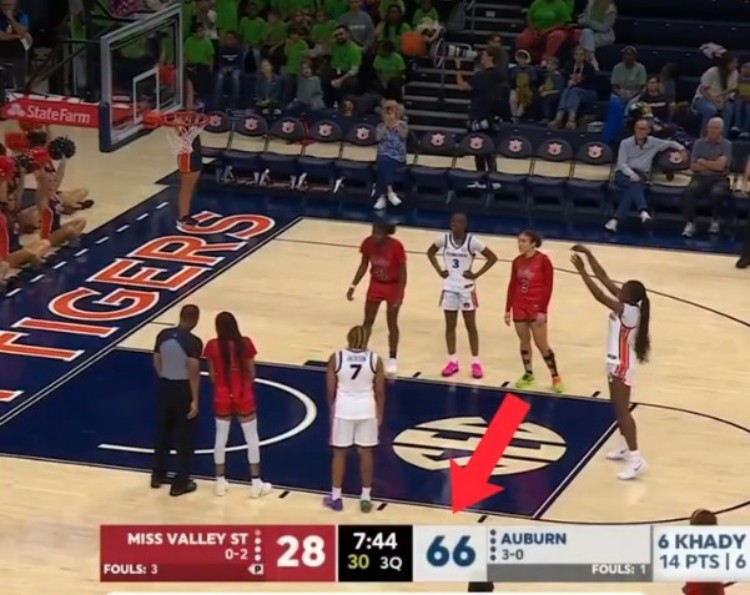
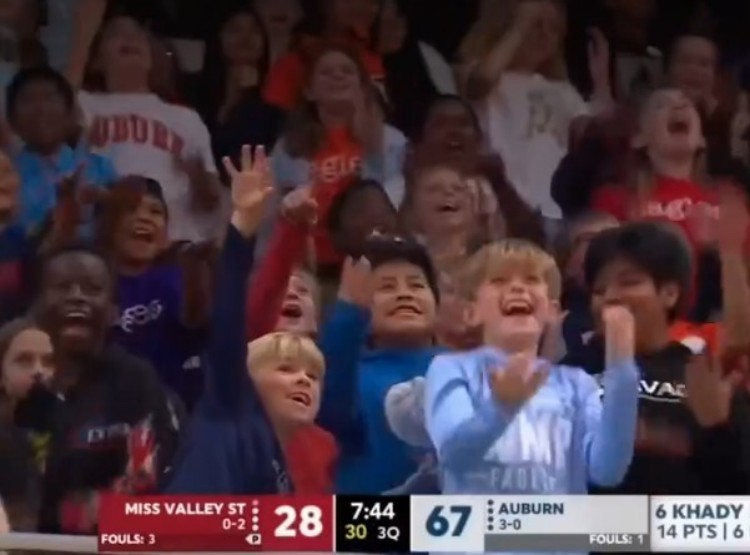
The Auburn University women's team played a game that was ordinary in terms of the schedule but unique in terms of atmosphere against Mississippi Valley. A total of 5,769 spectators gathered at Neville Arena – a record for a home game outside the team's own conference and the fourth-highest attendance figure in the history of the women's program in this building.
The main twist was that the game was played on Education Day. Entire columns of schoolchildren were let into the stands, and in the end about 3,000 young basketball fans filled the arena section by section. Until the middle of the third quarter everything was going relatively calmly, but then Hadi Lay stepped up to the free-throw line. After her shot dropped and the scoreboard froze at 67 points, the arena practically exploded: kids started screaming and rocking the bleachers, players looked around in confusion, and the atmosphere felt like a mini-bedlam.
The reason for this "craziness" was surprisingly simple: for Generation Alpha, the number 67 is not just a number, but a meme, a trigger, a joke that adults don't understand and teenagers adore.
From School Notebooks to Dictionaries: How "67" Became Word of the Year
Math teachers in the US have long noticed a strange pattern: whenever the digits 6 and 7 appear side by side – in a problem, an example or a date – the class suddenly comes to life, someone whispers, someone laughs and people start repeating "sixty-seven" or just "six seven".
Dictionary.com named "67" (pronounced "six seven", not "sixty-seven") the word of the year for 2025. Its definition describes it as a burst of energy that spreads and brings people together long before they ever agree on what it actually means.
The number has also found its way into Merriam-Webster as a cultural phenomenon. The editors note that teenagers and adults alike are trying to pin down a definition for this meme-like number. Some are sure it means something "so-so", because kids often wave their hands as if they were weighing objects. Others say "67" is about tall people. A third camp believes it is directly connected to basketball. And the cherry on top: in essence, "67" has no specific meaning – and that lack of meaning is precisely its meaning.
Meme, Fast Food and Video Games: The Number Crashes Into Pop Culture
If you ask a teenager what "67" is, you usually won't get a clear answer. It is simply a signal: "I'm in on it." Anyone under sixteen reacts to it like to a password for a members-only club.
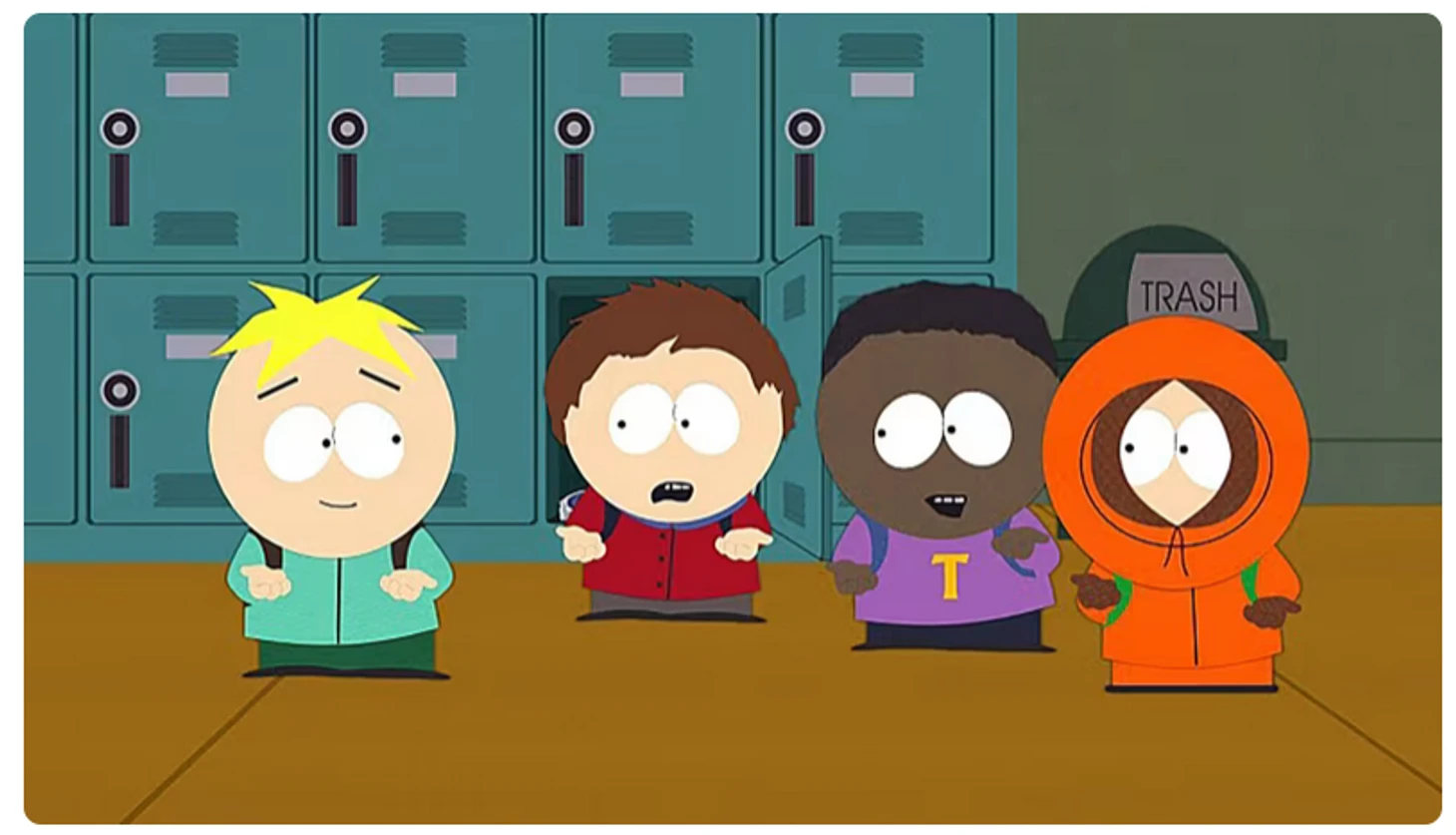
In a short time the meme seeped into pop culture: the creators of "South Park" have already picked up on it – "67" popped up in the first episode of season 28. The meme surfaced in video games as well, including Overwatch 2.
Marketers did not miss the wave either. Pizza Hut launched a promotion with wings for 67 cents, Domino's priced a pizza at 6 dollars 70 cents, and McDonald's gave away free nuggets between 6 and 7 p.m. The number became a handy hook: at once a joke, a reference and a way for brands to show teenagers that they "speak their language".
Rapper Skrilla, a Cryptic Line and Basketball Highlights
The meme is most tightly intertwined with basketball. Its roots are often traced back to the track "Doot Doot (6 7)" by an artist who goes by the stage name Skrilla. In one of the lines he says something like: "... I know he dyin' (oh my, oh my God) 6-7, I just bipped right on the highway".
The meaning of these words is as murky as the meme itself. Some people link it to 67th Street in Skrilla's hometown of Philadelphia, others see a reference to 67th Street in Chicago. Taylor Jones, an expert on African American English, suggests it may be connected to the police code "10-67", which is associated with death. Skrilla himself just shrugs: "I didn't put any meaning into it and I'm not going to."
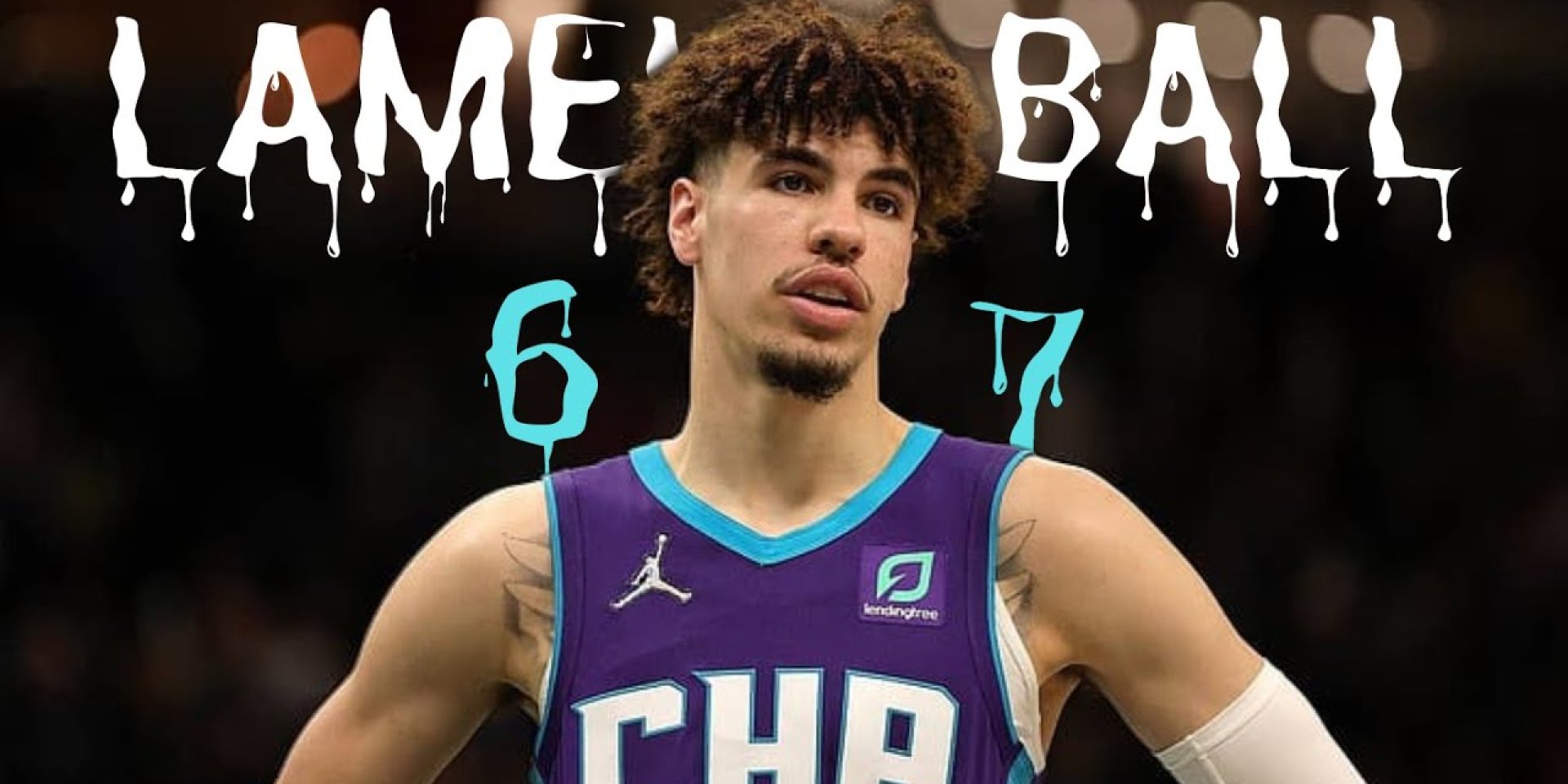
Nevertheless, in just eight months the track racked up 17 million streams, but what matters more to the basketball world is something else: it became the soundtrack to countless basketball highlight reels. "Doot Doot (6 7)" was used especially often in clips featuring LaMelo Ball, one of the main idols of American youth. And here an ironic detail comes into play: LaMelo's height is 6 feet 7 inches – those same "6-7".
LaMelo, a Student With a Drink and the Birth of a Living Legend
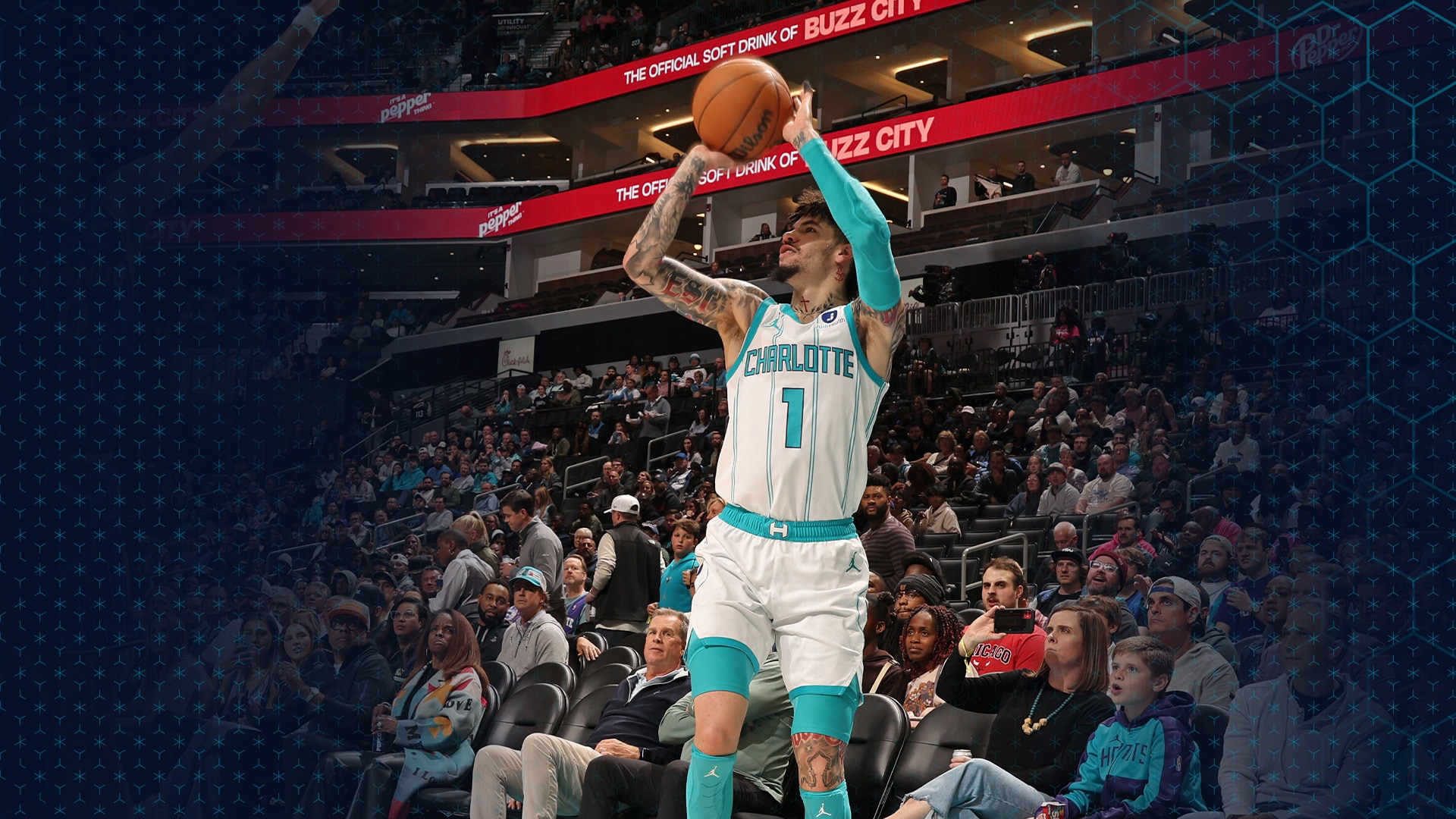
According to an alternative version, everything started directly with LaMelo Ball himself. The story goes that the meme was pushed into the masses by a phrase that said he moves like someone who is 185 centimeters tall even though he's closer to two meters. The Ball family picked up the joke and actively repeated it, and from there it followed the classic viral trajectory.
A few weeks after the release of the track, high schooler Taylen Kinney, considered one of the top prospects in the class of 2026, became an internet sensation. In a clip he gives a Starbucks drink a score of "67" and starts waving his hands as if he were weighing grapefruits. The moment went viral, Kinney began churning out new versions, and the nickname "67" stuck to him.
The meme spread so widely that Shaquille O'Neal appeared in one of the viral videos – and his level of understanding of what was going on was roughly the same as that of the rest of the adults: close to zero.
"Kid 67", the Neville Arena Stands and the Peak of the Trend
In March, blogger Cam Wilder posted a video of his high school team's victory. In the frame, a young player named Maverick Trevillian yells "67" into the camera with a fighting look on his face. The internet instantly dubbed him "Kid 67", and the youngster became a new hero of American social media.
From that moment on, the gestures and chants of "67" finally took root in school basketball culture – from gymnasiums to street courts. Footage from the Neville Arena stands only confirms it: wherever Generation Alpha shows up, the meme comes to life – the stands rise to their feet, hands start "weighing the air", and the number is shouted in unison.
By now, "67" can no longer be called a fresh discovery – it is more of an established element of teenage folklore. American media outlets have written dozens of pieces explaining the phenomenon and constantly remind adults that ostensibly meaningless "silly" jokes like this existed for every generation.
A Number as a Password: Why Adults Have Nothing to Worry About
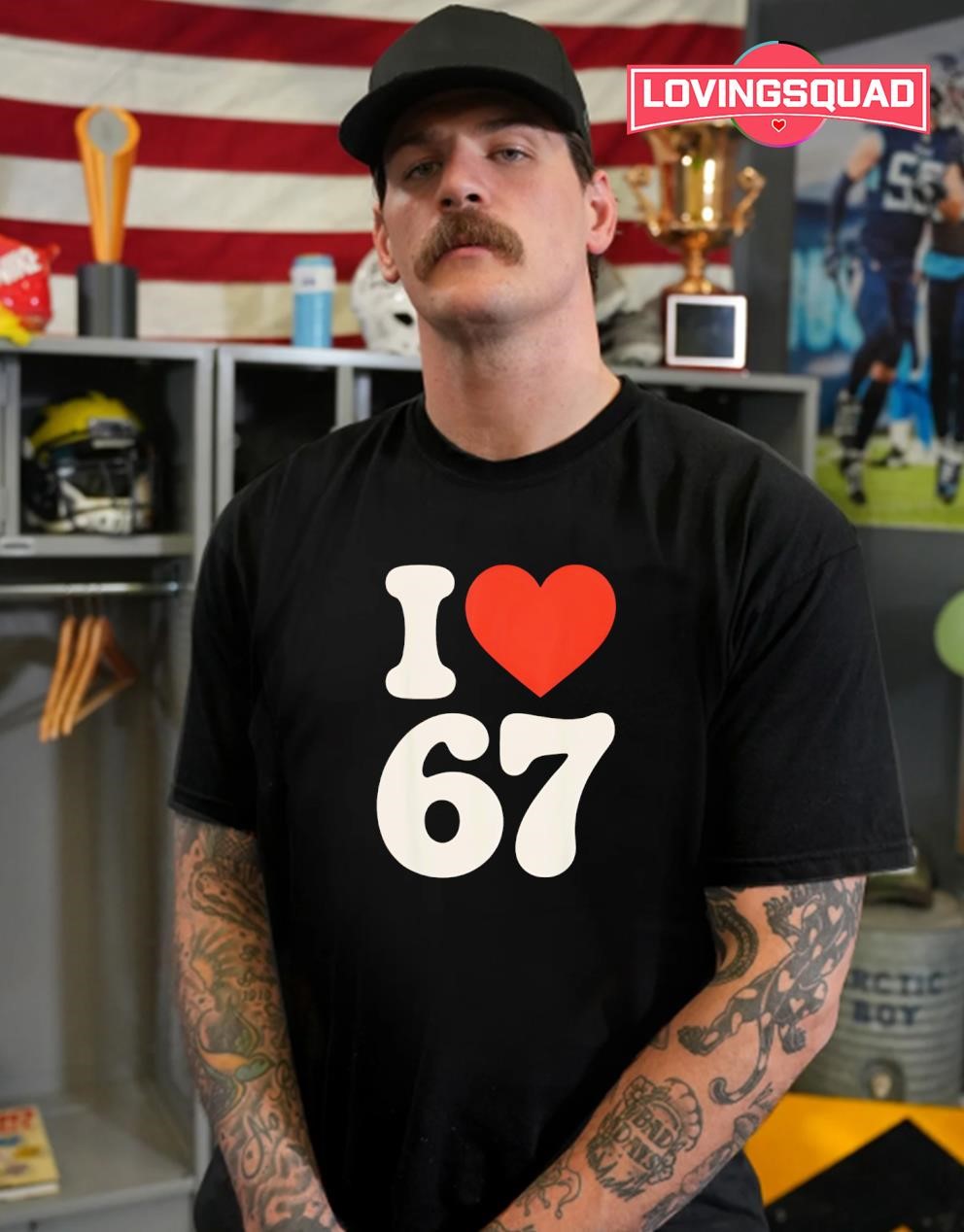
Perhaps the most reassuring thought for parents and coaches comes from Nilu Esmpaelpour, director of a psychoneurological clinic. She emphasizes that when children and teenagers latch onto a meme and start endlessly shouting "67", it says more about a social process than about any alarming psychiatric symptoms. Young people are constantly looking for ways to feel like part of a group and of the wider culture, and repeating a trendy phrase or sound is simply their way of sending the message: "I'm one of you, I know what's popular right now."
So we can take a deep breath and relax: excessive use of "67" poses no threat to the "uncles in the stands" or to anyone else. It is just another point of connection for Generation Alpha – this time disguised as a basketball score.