
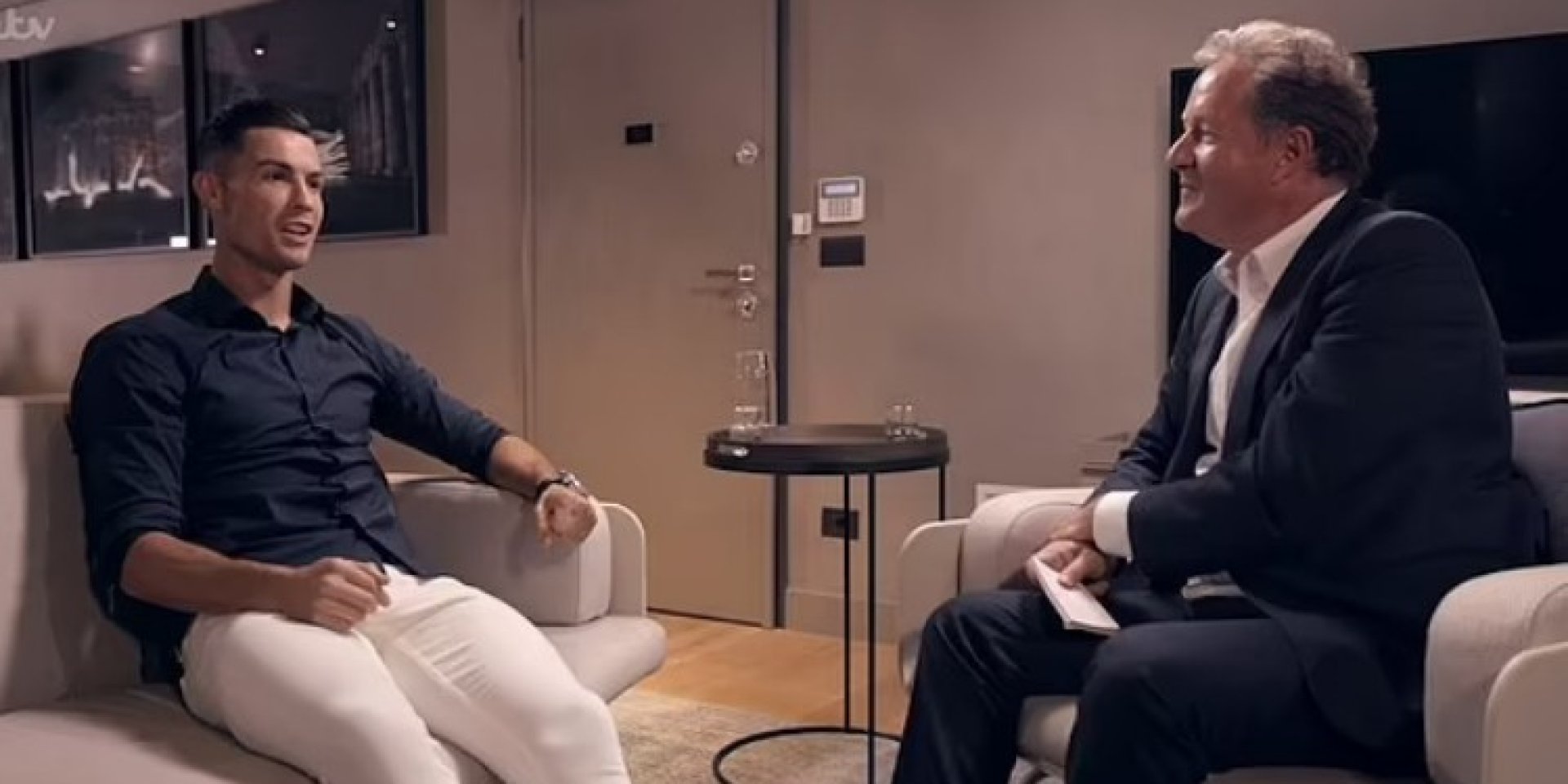
Piers Morgan and Cristiano Ronaldo sat across from each other again — and the conversation immediately moved beyond the football pitch. In this part of the exchange, Ronaldo sorts through his own contradictions with candor: how to live with all-encompassing fame, why you shouldn’t surrender to the surrounding noise, what it means to keep a 28-year-old’s condition when the passport already says forty, and why compare looks with Beckham on a beach in Rio. What emerged was the confession of a man unafraid to say the World Cup dream no longer burns, yet still hungry for the game, for goals, and for honest conversations.
Silence Instead of Cameras: Why Ronaldo Didn’t Go to Jota’s Funeral
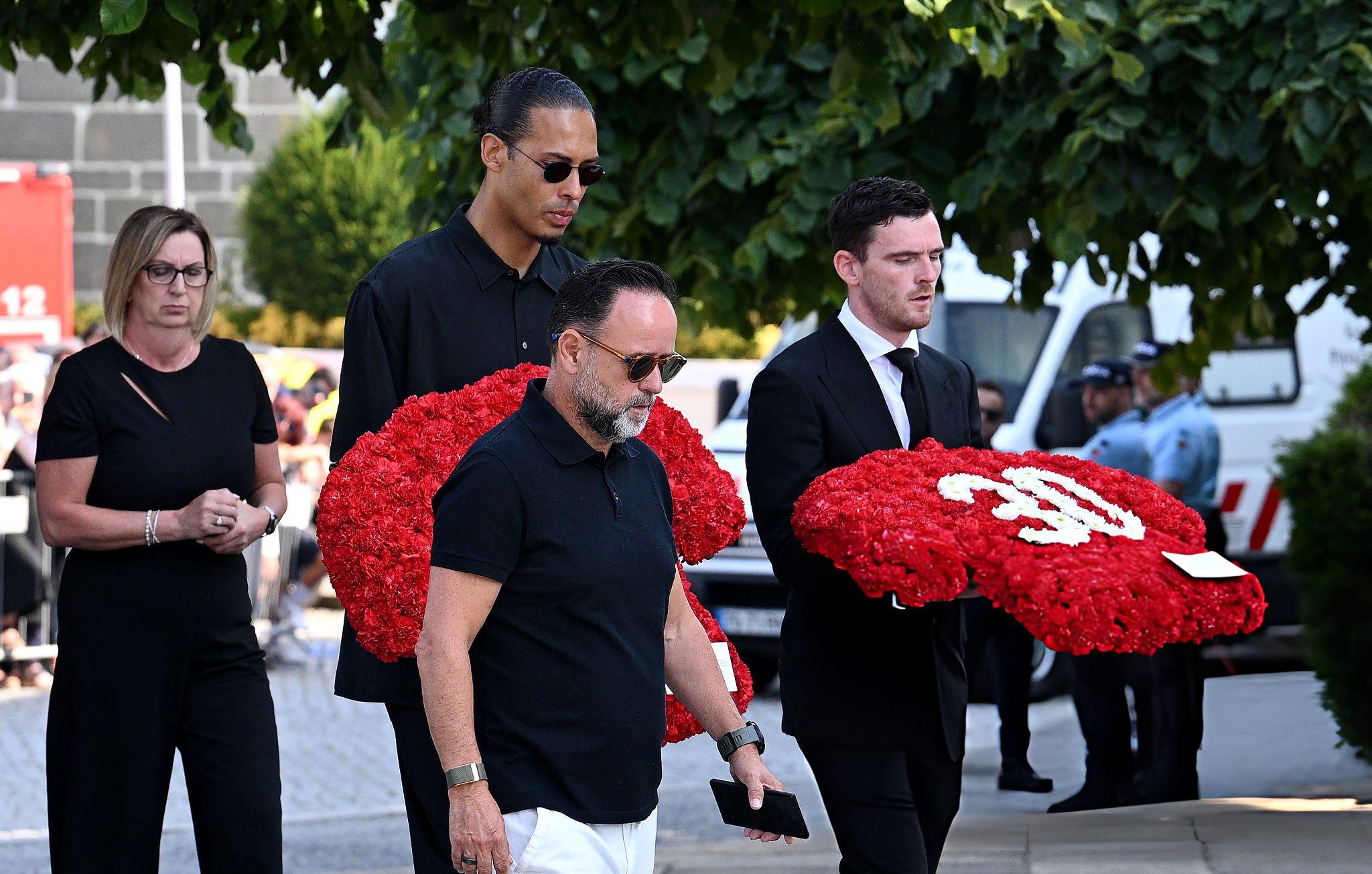
First up is a decision many tried to spin into scandal. Ronaldo explains why he did not appear at Jota’s funeral. After his father’s death he stopped visiting cemeteries and, in his words, learned to shield such moments from the “circus” that forms around his persona. “Wherever I show up, the attention shifts. On days like that, it’s unacceptable,” he says. No front-row posing, no flashes, no turning mourning into a news peg — that’s his principle. And yes, he admits with a smile: “If you want a quiet birthday party, don’t invite me: ten minutes later the photo shoot and the noise will start.” Fame is a loud instrument, and sometimes you need to switch it off.
A Debt to Memory: A Chance Meeting with the McDonald’s Woman
In Lisbon, in the airport’s private zone, a story that began when Cristiano was a boy at the Sporting academy caught up with him. Back then, a McDonald’s employee would feed him when he had no money. Years later he recognized her in the crowd. He hugged her tight — “even the kids were surprised” — and promised: “When I have time, I’ll do something nice for the people who helped me back then.” The scene is less about nostalgia than about understanding how a path is woven — from the small, warm gestures of strangers.
Passport at 40, Physique at 28: Discipline Over Magic
“They describe you as having the body of a 28-year-old,” Piers lobs. Ronaldo doesn’t argue and shifts the conversation from miracles to routine. He’s been in the gym since 12 — without fanaticism: two or three sessions a week, quality sleep, proper recovery and, above all, consistency. This is not a sprint but a marathon: when you systematically repeat the right actions, the body pays dividends on its own. For him, it long ago stopped being about “cutting”; it’s a profession where the weekly plan matters more than the mood of the hour.
Whom to Watch When You’re the Example: LeBron, Djokovic, Modrić
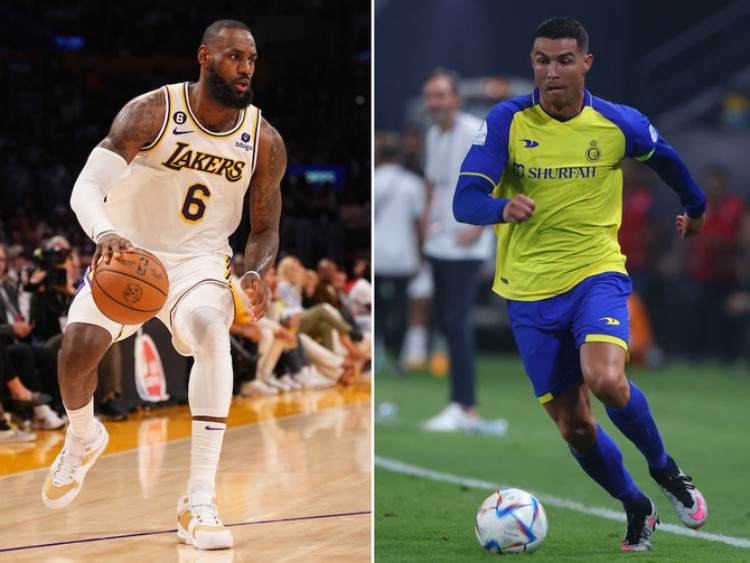
He knows how to draw inspiration from neighboring arenas. LeBron James — a peer — still carries a franchise; the discipline is steel. Novak Djokovic is “an example of greatness, endurance and intelligence in sport.” Luka Modrić belongs to football’s cohort of the ageless, those who age beautifully because the mind runs faster even as the legs slow. In each of them Ronaldo sees not just talent but a system — and the system wins more often.
Evolution of the Role: From Winger to Finisher
“I’ve always been good at finishing,” Cristiano admits, “but the top level came later.” Age takes centimeters off the first step, but adds degrees to decision-making. Today he’s a finisher who appears on the second wave, kills phases with a single touch and wins duels around the box. “The big mistake is to think that after thirty you know everything. For many, output drops at that age; for me, the opposite.” It isn’t braggadocio; it’s a manifesto: football is the mathematics of small details.
“My Football Father”: Ferguson, Always Good Relations with Rooney
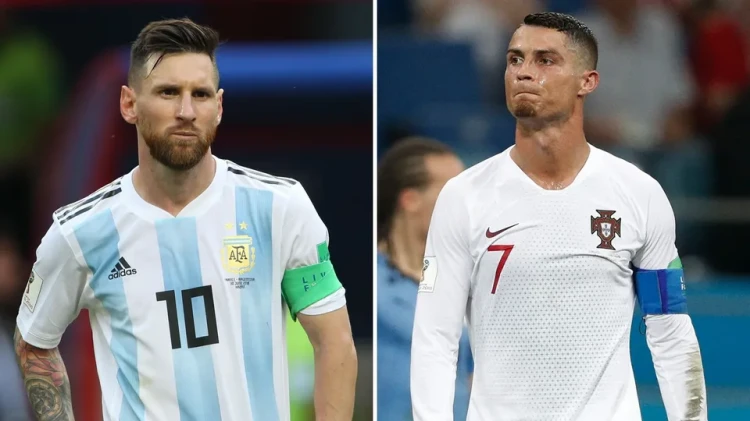
He speaks of Sir Alex softly and simply: a man who “keeps his word,” who came over for tea and one day became his “father in football.” Rooney? “We’re not friends in the everyday sense, but we always respected each other.” Wayne’s line that “Messi is better” doesn’t rattle him. “If we meet, I’ll shake his hand, give him a hug.” It’s the adult tone of someone used to winning arguments not with headlines, but with the numbers on the match sheet.
Saudi Heat and a Debate on Leagues: Why His Arguments Are Worth Hearing
“Year after year I score more,” Ronaldo quietly reminds, and raises the subject of the Saudi league. His position is unchanged: the league is underestimated by those who haven’t played in it. The pressure here is different — the climate, the rhythm, and opponents who long ago ceased to be “exotic” and are now a roll call of familiar European names. He doesn’t dispute that the Premier League is number one, but he’s sure the Saudi league is stronger than the Portuguese one and, of course, broader than the French shop window called “PSG.” And he has a simple question for the Ballon d’Or crowd: “Why aren’t goals in Saudi Arabia counted as the same goals?”
A Dream No Longer There: The World Cup as a Nonessential Proof
Here Ronaldo surprises those who are used to measuring “greatness” by a single tournament. “Winning the World Cup is not my dream,” he says, adding that status doesn’t depend on six or seven matches at the height of winter. Portugal has already won three trophies with him — and that’s history, too. Argentina is used to the world’s podiums, Brazil even more so; if Portugal wins — which is possible — it will shock the world. But Cristiano’s personal legend doesn’t have to wait only for that stamp. He lives in the moment — in football, perhaps the clearest-eyed philosophy.
“Beauty Isn’t Only a Face”: A Beach Debate with Beckham
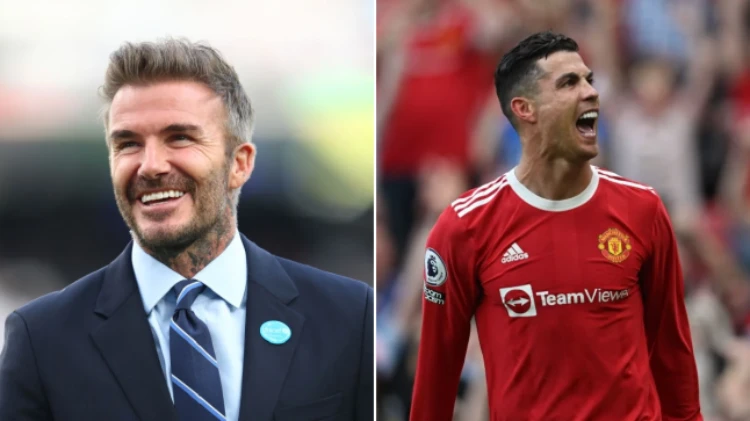
Piers prods with a smile: “Who’s better looking — you or David?” Ronaldo answers with an image. Picture Copacabana, red swim briefs, coconut water, no fame — just two guys on the beach. “Who will people notice more?” he laughs, backing himself with confidence. “David has a very beautiful face; the rest is normal. I’m not normal; I’m perfect,” Cristiano jokes — the voice of someone who knows exactly what his image costs.
A Meeting He Wants: Trump and a Conversation ‘For Peace’
A shirt signed for Donald Trump with the note “playing for peace” isn’t a coincidence. Ronaldo doesn’t hide from politics, but he doesn’t stomp into it either: he’s interested in talking about “peace” with those who can influence big processes. “I can’t watch TV,” he says; even when he turns on the news, the noise makes him turn it off. He wants to sit down and talk, without decoration. He hints that he and Trump have “something in common,” leaving the intrigue offstage.
“I’m More Famous Than Trump”: What to Do With Fame You Didn’t Choose
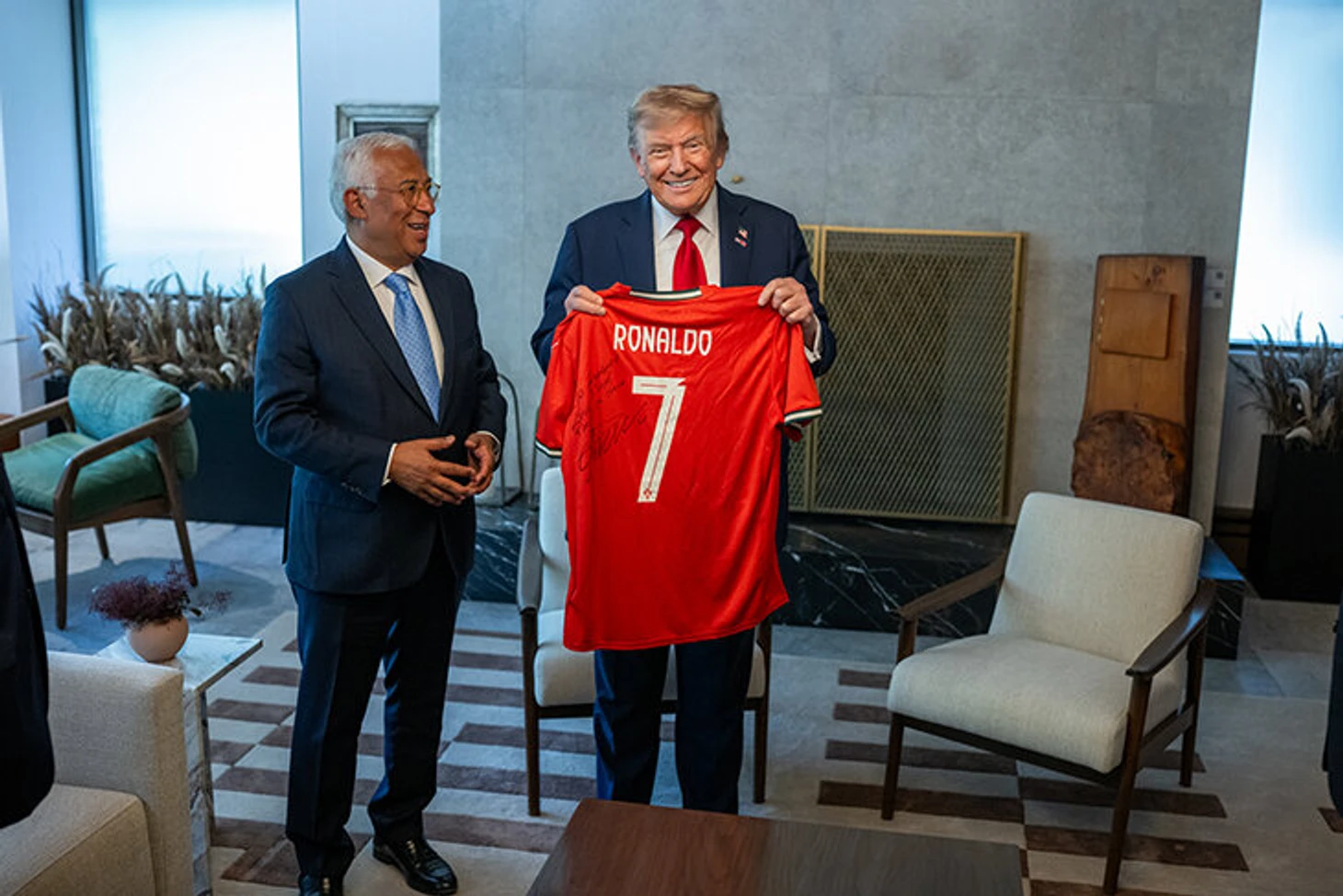
The conversation, half joking and half serious, slides toward fame. “I think there’s no one in the world more famous than me,” he throws into the studio — and immediately admits that if he could keep all his footballing success and remove the fame, he’d sign up for it “one hundred percent.” There’s too much excess; too often he wants to walk unnoticed — a chance that, by his own account, he had only twenty years ago. It’s the clear-sightedness of a man who doesn’t romanticize what he’s lived.
The Aftertaste of a Long Conversation: How Ronaldo Sounds Today
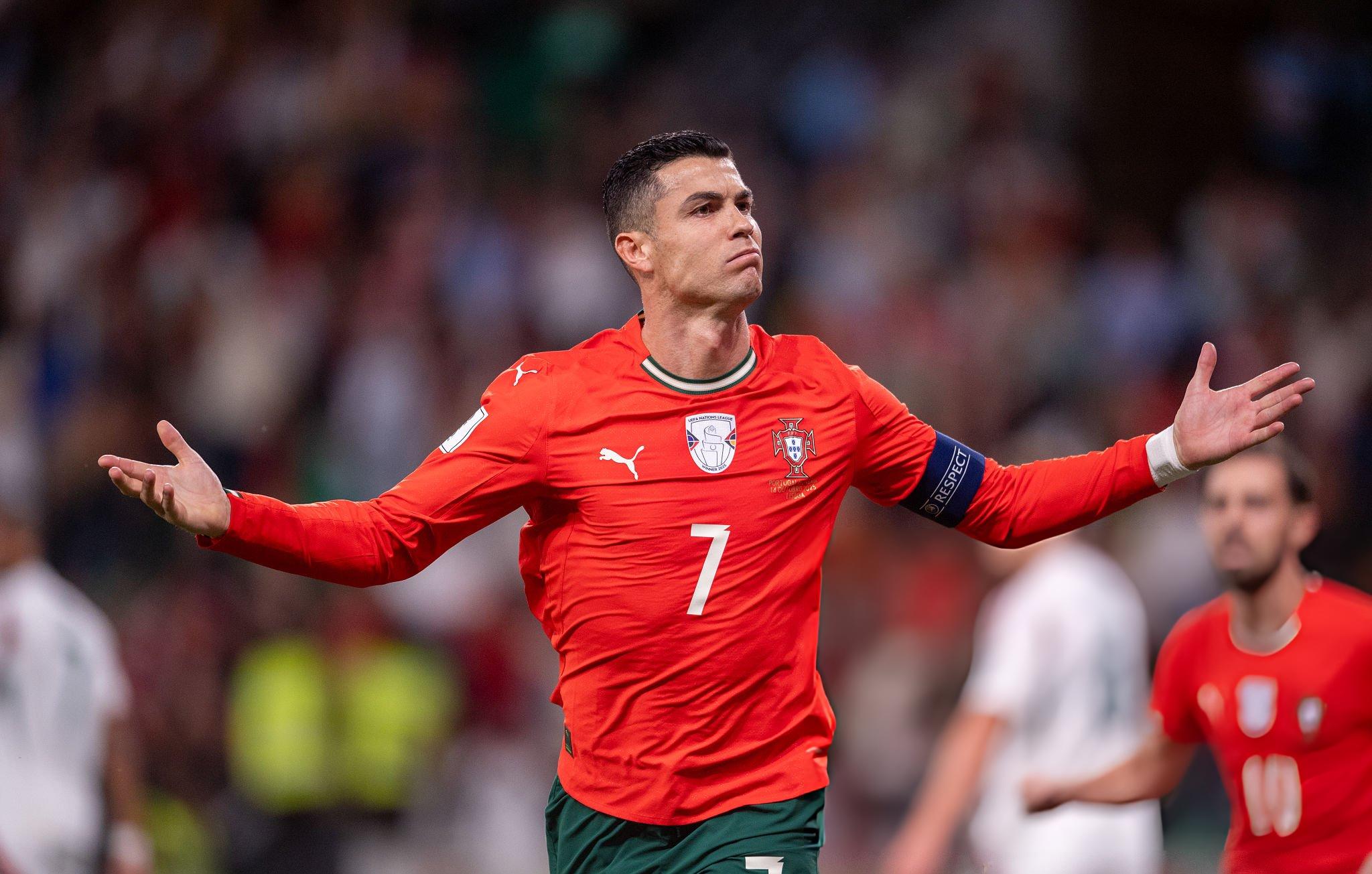
When the cameras go off, you’re left feeling you spoke not to a bronze statue but to a living professional who has reconciled ambition with self-irony. He no longer chases the “perfect” World Cup dream, because he has learned to love the road as much as the finish line. He debates league rankings but underpins the argument with experience forged in heat and pressure. He jokes about looks with Beckham and is ready to talk seriously about peace with Trump. He acknowledges his own over-fame — and the fatigue from it. And at the same time, he keeps doing what he does best: finishing attacks, learning more, and turning match nights into stories where the numbers don’t lie and the person inside those numbers doesn’t hide.