
In Formula 1 there’s formally a pause right now: late December, two weeks of “silence” at the factories, closed development departments, and only repairs and maintenance allowed. On paper — calm.
In reality — no. Because F1’s favorite winter sport is the behind-the-scenes war. And the first scandal around the 2026 regulations has already flared up as if the season were about to start.
New Year’s in F1 isn’t about the calendar — it’s about tech:
- different fuel,
- different chassis,
- and most importantly — different engines.
From 2026, the electric part is supposed to deliver roughly 45% of the power, with the rest coming from the ICE. And that’s where the nerves kick in: many in the paddock believe that at the start of the new era, it’ll be the internal combustion side that decides things. Not pretty words about “sustainability,” but plain old hardware efficiency.
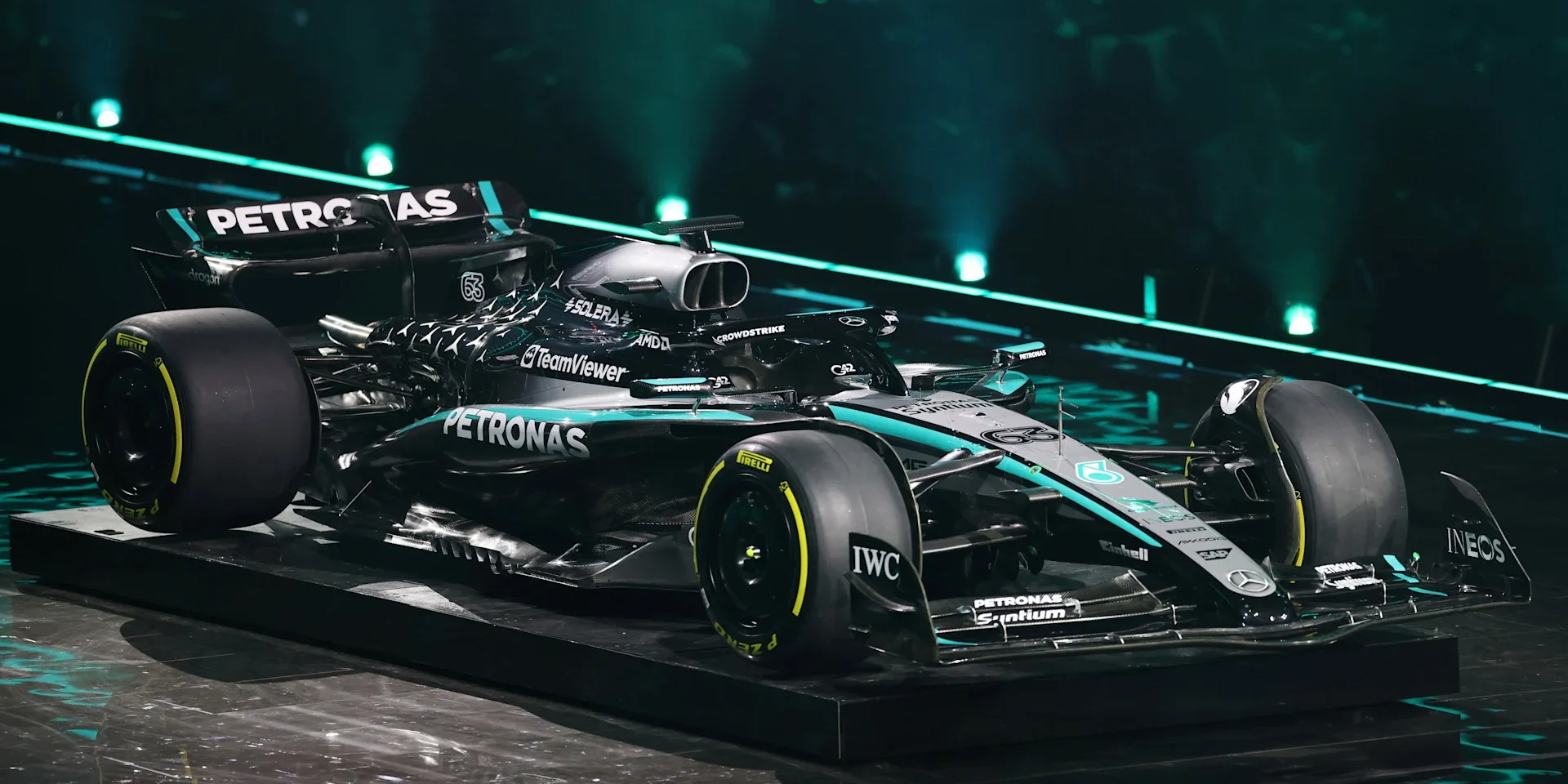
The gist of the rumor: Mercedes supposedly figured out how to “compress more” — without getting caught
A version is circulating around the paddock (and it is a version) that Mercedes engine engineers found a way to run higher compression in the cylinder than the rules allow — in a way that would be difficult to detect in standard checks.
The price tag on the rumor sounds brazen: +15–20 hp, which in F1 can easily turn into up to ~0.3 seconds per lap “all else equal.”
The key point: no public confirmations, no official numbers. Just talk, leaks, and nervous faces.
Why this became political rather than engineering
Because if you believe the insider timeline, the “window” was awkward:
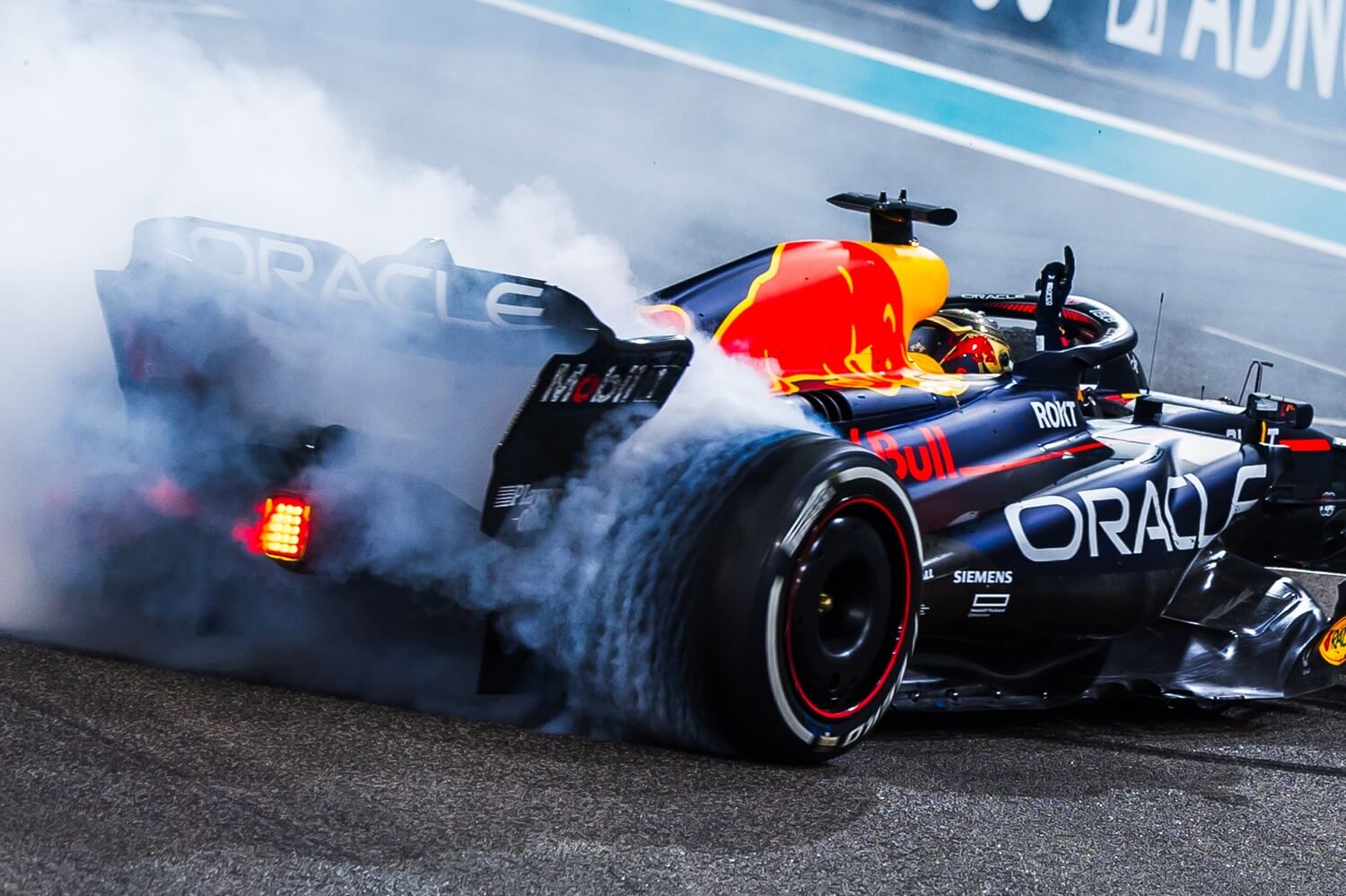
Red Bull supposedly learned about the idea among the first — roughly seven months before the December wave — via former Mercedes employees who moved to RBPT (the “bulls’” engine division, with plenty of Honda heritage and, on top, a partnership with Ford).
In that time, Red Bull, according to the rumor mill, managed to build its own version of the solution — but didn’t put development onto a single set of rails, keeping several branches alive.
And by December, the other engine manufacturers allegedly learned about the “breakthrough,” triggering a predictable reaction: Ferrari, Audi, and Honda went to the FIA asking to “close the loophole,” because changing course that late is expensive and painful.
The most elegant (and slightly irritating) part is Red Bull’s position: they formally joined the request, but in the spirit of “let’s clarify whether the implementation is compliant.” Meaning: with the crowd, but not exactly against themselves.
The FIA’s decision: “If you pass the checks, live with it”
And this is where real F1 begins.
The verdict being discussed: there will be no ban if everything successfully passes official inspections. And those who end up at the back will be able to receive help and additional resources after the sixth Grand Prix under a pre-approved “catch-up for the underdogs” program.
The result is the most nerve-racking configuration possible:
- the technology is not publicly proven;
- the advantage is not publicly confirmed;
- but formally, the road isn’t blocked.
And that’s almost a perfect recipe for paranoia.
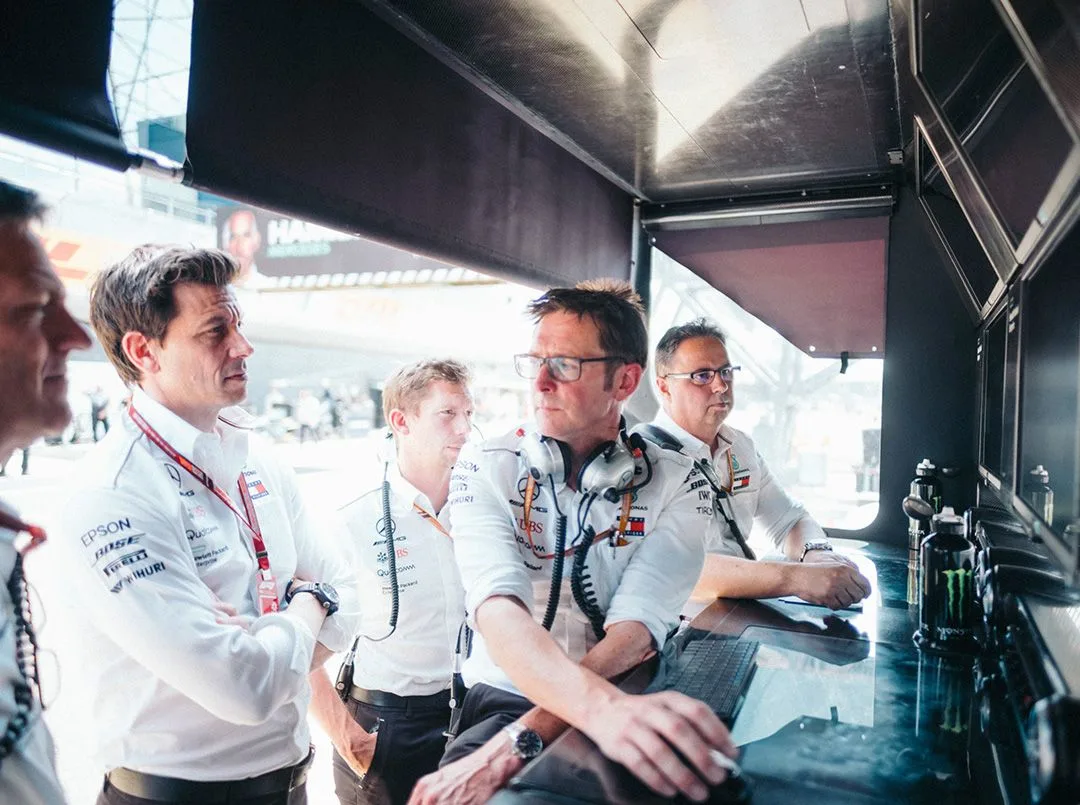
A reputational trap: Mercedes is already punished, even if nothing happened
The worst part about stories like this is that they live separately from reality.
If Mercedes is fast at the start of 2026, the public and rivals will have a ready-made plot: “they hacked the regulations.”
If Mercedes is mediocre, they’ll say: “so it got shut down / it didn’t work / they didn’t make it in time.”
In other words, there’s an explanation either way. And the team is already entering the season with a “presumption of cheating” — even without an evidence base.
Meanwhile, Red Bull in this picture looks a little too comfortable. Because they potentially have the perfect position:
- they could have learned early;
- they could have developed an analogue in parallel;
- they got a green light to use it “if it even exists”;
- and they didn’t take the main reputational hit.
If a “similar technology” turns out to be real, the performance upside could be comparable. The public pressure — not so much.
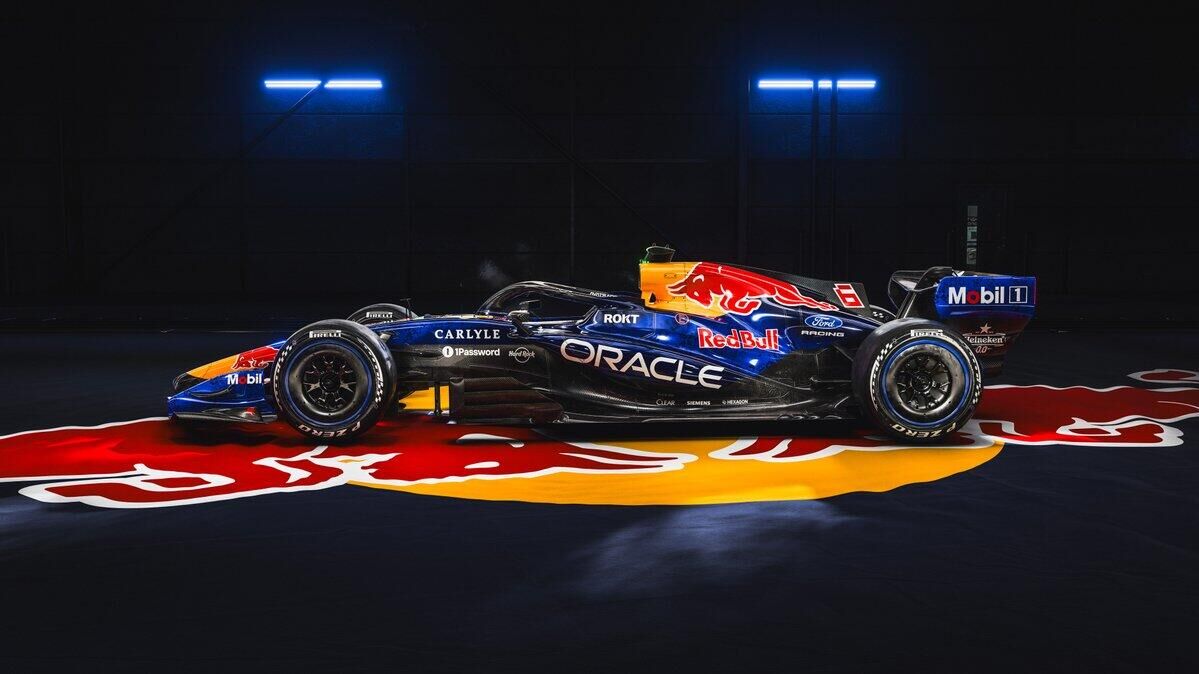
And then a second layer surfaced: Ford is deeper in the project than they said out loud
After the FIA decision, during the holidays, an interview (Autosport) surfaced with Ford’s head of motorsport, Mark Rushbrook — and it contained an important point: Ford’s involvement in Red Bull’s program isn’t limited to the battery/hybrid side and “electricity.”
According to him, the company also got involved in the ICE side — development, production, and assembly of certain components; some parts are made in Dearborn and sent to Britain regularly. And they clearly feel strong in software, calibrations, and manufacturing approaches (including the “physics” of components and technologies like 3D manufacturing).
In plain English:
Red Bull Powertrains no longer looks like a project that’s “scary because it’s their first time.” If anything, it looks like a project that’s rapidly maturing — and isn’t shy about showing it.
What we’re left with
F1 hasn’t even entered 2026 yet, and it already smells like mid-season: rumors, letters to the FIA, tense comments, and a fight over something that hasn’t even been proven.
And there’s a sense that the biggest fear of the new regulations isn’t “who has more money,” but “who first found the thin line between a rule and its wording.”
Yes, everyone is watching Mercedes right now. But if you put the whole puzzle together, another conclusion suggests itself: in the new era, it seems you may need to fear more than just the black-and-silver cars.