
There is another scandal in boxing, and this time it is not about controversial scorecards or dirty tactics. Undisputed champions are losing their belts not in the ring, but in offices. Terence Crawford is officially no longer the undisputed world champion at super middleweight — WBC took his title for non-payment of a sanctioning fee. Earlier, Dmitry Bivol ended up in a similar situation, losing his WBC belt because of a strangely imposed mandatory defence. Against the backdrop of these decisions, the question is getting louder: who is really stronger today — the boxers in the ring, or the officials with their stamps?
Sanctioning Fees as a Separate Business
All major boxing organizations make money on sanctioning fees for title fights — this is a normal practice in the industry. But it is WBC that traditionally takes the most: the standard rate is 3% of the champion’s purse. To increase revenue even more, over the past few years the council has created an entire network of secondary belts in every division and even introduced a new weight class — bridgerweight, which is still not recognized by WBO and IBF.
Against this background, the other organizations look much more restrained. WBO takes 2% of the purse. WBA also keeps 3%, but sets an upper limit — up to 150 thousand dollars if the purse exceeds 5 million. IBF generally caps the fee at a maximum of 25 thousand dollars if the boxer’s purse is over 4 million, with the percentage ranging from 3 to 4 depending on the weight class.
In this landscape, WBC’s appetite looks far more aggressive, even if it is formally enshrined in its regulations.
Special Terms for the Crawford – Canelo Fight
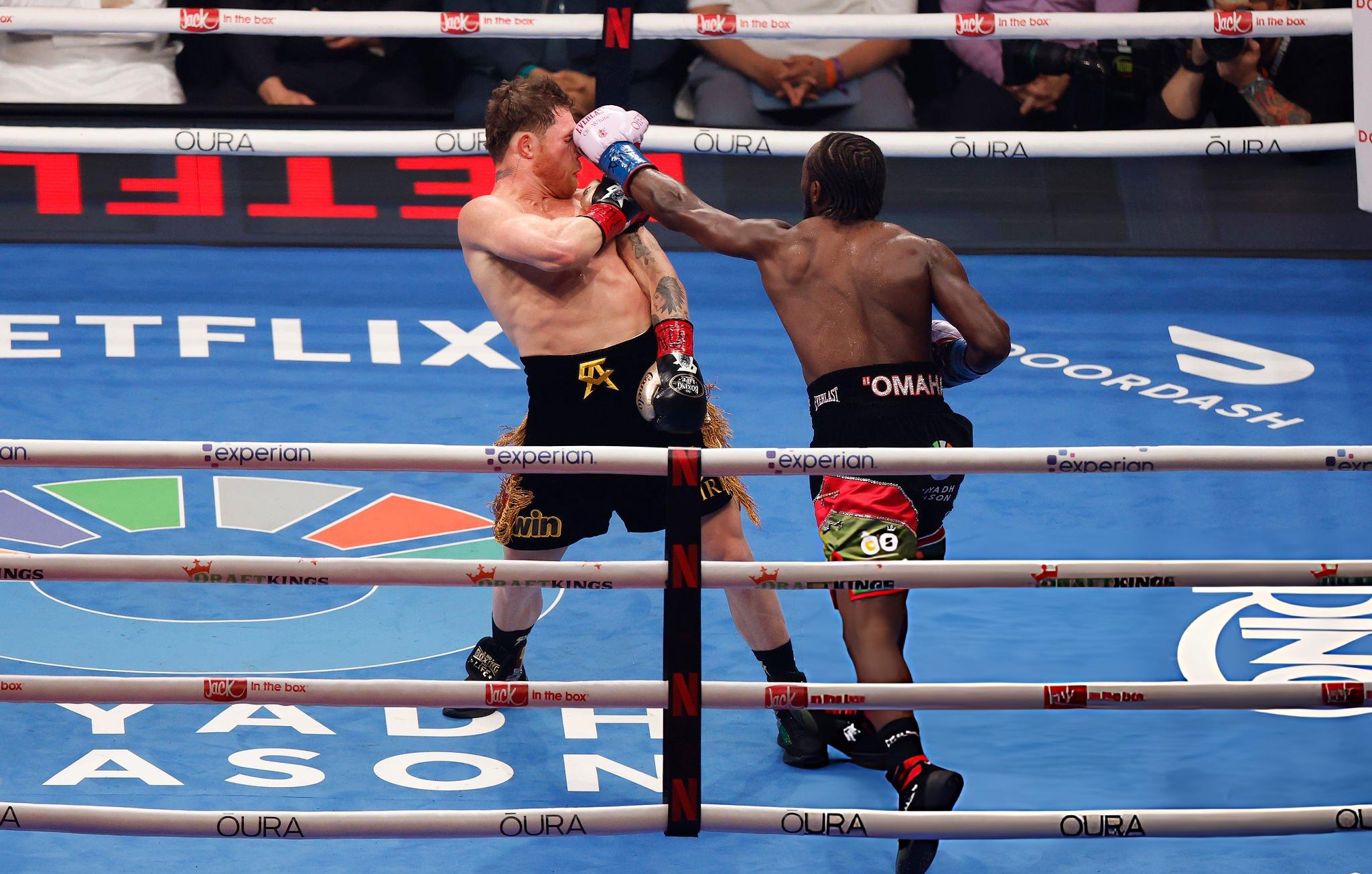
The situation with Terence Crawford began fairly softly. At the WBC convention in Thailand, the organization’s president Mauricio Sulaiman accommodated the champion and reduced the sanctioning fee specifically for his bout with Saul "Canelo" Alvarez. Instead of the usual 3% from a notional 50 million dollar purse, Crawford was billed only 0.6%.
According to Sulaiman, 75% of this amount was supposed to go to the Jose Sulaiman Boxers Fund — a structure that provides humanitarian assistance to former and current fighters. Through this fund, WBC claims to have supported, for example, Iran Barkley, who is fighting cancer, and the family of the recently deceased Vanes Martirosyan.
However, after the fight WBC stated that it still had not received the money for Crawford’s last two appearances — against Israil Madrimov and against Canelo. The organization sent several notices and letters to the champion, his manager and his lawyer, but received no response. In the end, the council announced that there was no other choice and the title had to be taken away.
Dmitry Bivol and a Broken Mandatory Defence System
Crawford’s story does not look like an isolated incident. Previously, Dmitry Bivol also came under WBC fire. The undisputed light heavyweight champion was ordered to make an urgent mandatory defence of his title against David Benavidez.
Formally, at that moment the right to the first mandatory defence belonged to IBF — boxing has a rotation system between organizations to ensure that the interests of all bodies are respected. But WBC decided to bypass the established order and push its challenger under its own banner.
This looks especially cynical given that Benavidez had been virtually ignored for many years while he competed at super middleweight. WBC was in no hurry to sanction his fight with belt holder Canelo Alvarez, who consistently brought the organization large sanctioning fees. As a result, David had to content himself with an interim title, defend it twice and then move up to light heavyweight.
Crawford’s Rage: Accusations of Favoritism and Disrespect
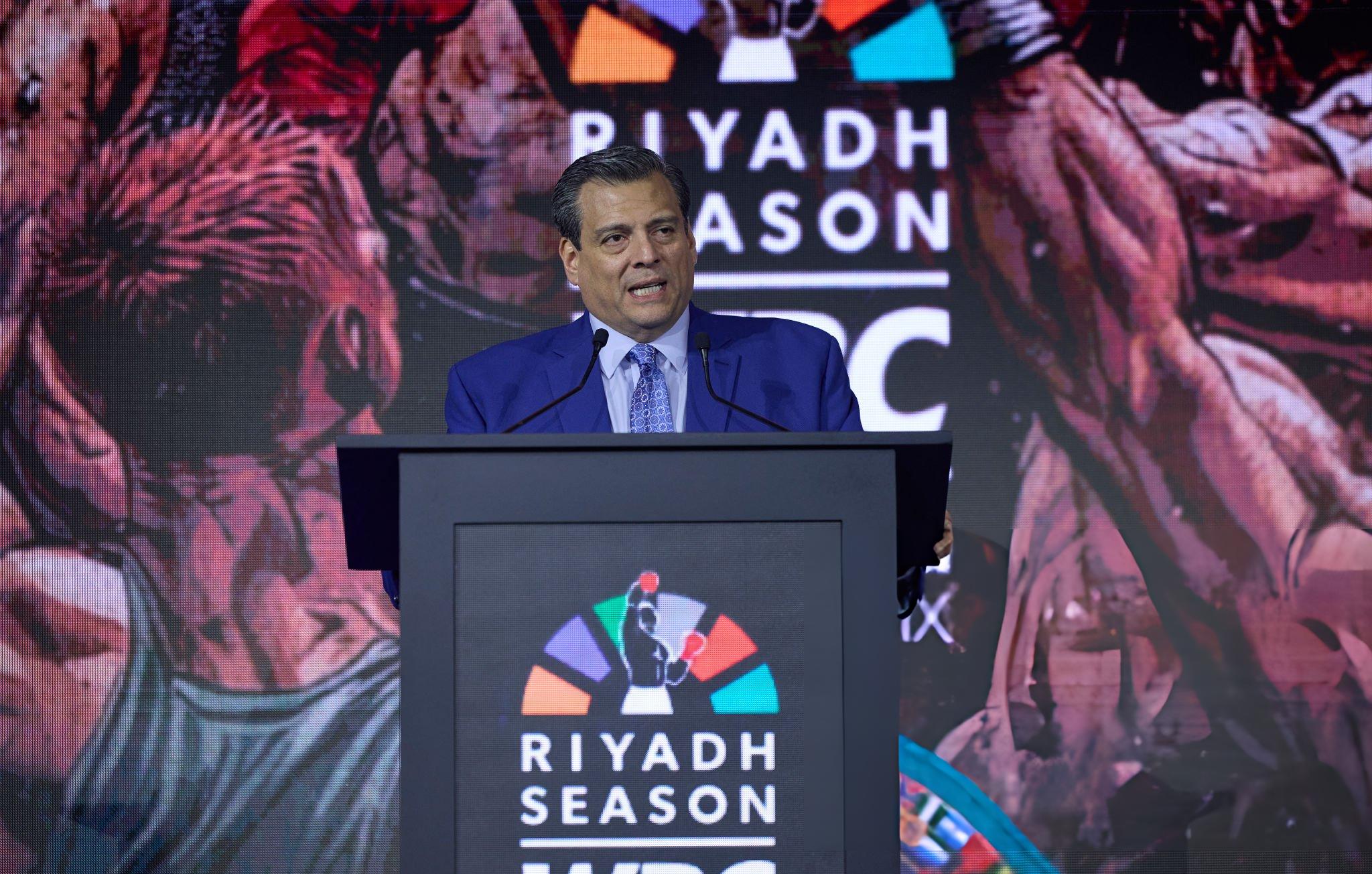
Crawford perceived WBC’s decision to strip him of the belt for non-payment of fees not just as a formality, but as an insult. In his statements he severely criticized the president of the organization.
Terence reminded everyone that he was being asked to pay hundreds of thousands of dollars for the sanctioning fee alone and that he was not going to justify himself for refusing to pay. He pointed to double standards: Benavidez had been a mandatory challenger for years, but WBC never took the belt from Canelo, who fit perfectly into the organization’s financial model.
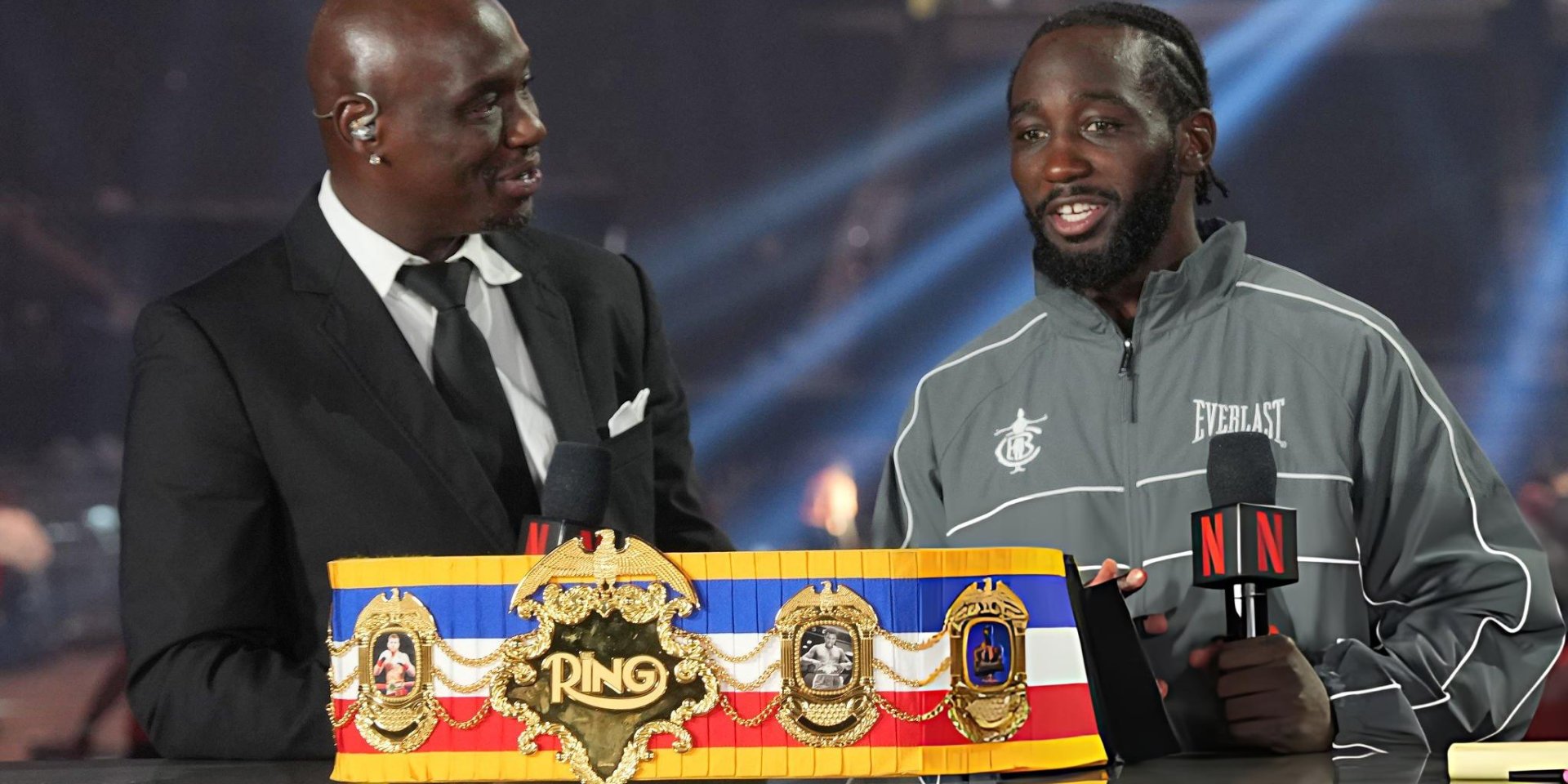
Crawford also questioned the publicly stated amount of his purse for the Alvarez fight, saying that Sulaiman was simply speculating with figures. According to Terence, the head of WBC openly supported Canelo, was unhappy with the Mexican’s defeat and did not even walk into the ring to present the championship belt personally, delegating this duty to WBC ambassador Chico Lopez. In Crawford’s view, this gesture clearly betrays the president’s true attitude toward the new undisputed champion.
Not the First Case: Miguel Cotto and a Lost Title Before the Canelo Fight
The situations with Crawford and Bivol are not unique for WBC. In 2015, the council’s middleweight world champion Miguel Cotto refused to pay a 300 thousand dollar sanctioning fee for his fight with Canelo Alvarez. The result was just as harsh: Cotto lost his belt even before entering the ring, and the title ended up being tied to one of the biggest box-office fights of the year without the then-current champion really being part of it.
Such precedents undermine the perception of titles as the highest sporting reward. More and more often there is a feeling that the belts belong not so much to the fighters as to the organizations that dispose of them at their own discretion — depending on who brings in more money and who agrees to their conditions.
What Will Happen to the Prestige of Undisputed Champion Status?
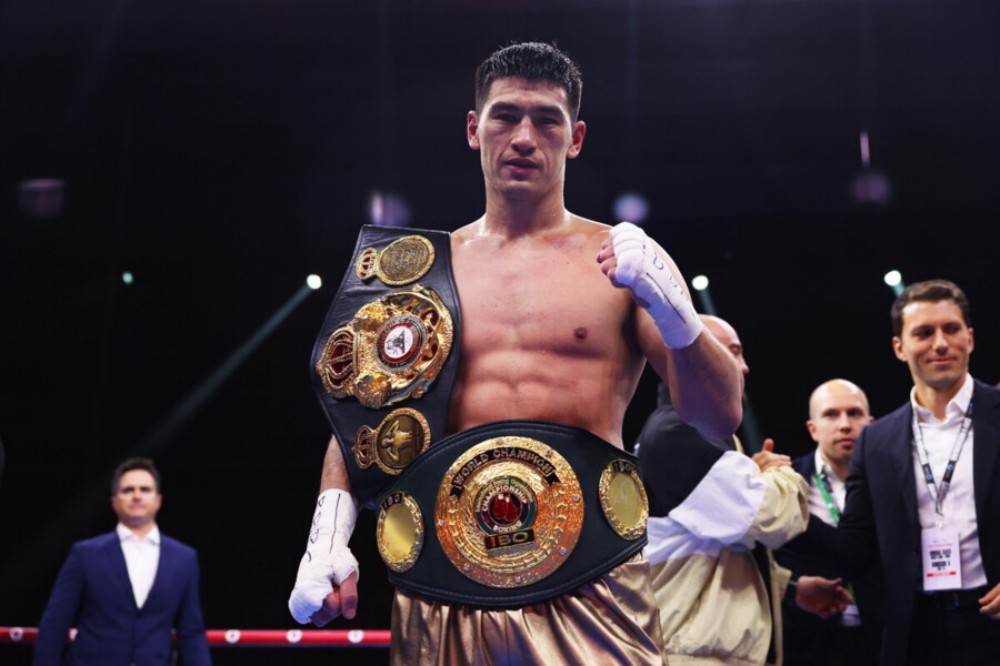
For many years, undisputed champion status was considered the pinnacle of a career: four belts held by one fighter symbolized unquestioned supremacy in a division. But when one of the brightest boxers of our time is stripped of this status not for a defeat, but because of a dispute over fees, the very meaning of the title begins to blur.
Every such case — Crawford, Bivol, Cotto — makes the system less transparent, and the organizations’ decisions start to look more like commercial maneuvers than protection of sporting principles. For fans and boxers themselves it is becoming increasingly obvious that today belts depend not only on what happens in the ring, but also on which invoices officials are issuing and who is willing to pay them.
If this practice continues, the "undisputed" label risks turning from a symbol of sporting immortality into a tag that can be lost over a single unsigned check. And then the main question for champions will no longer be "who do I fight next?", but "how much is this going to cost my wallet, and whom do I have to pay to stay on the throne?".