
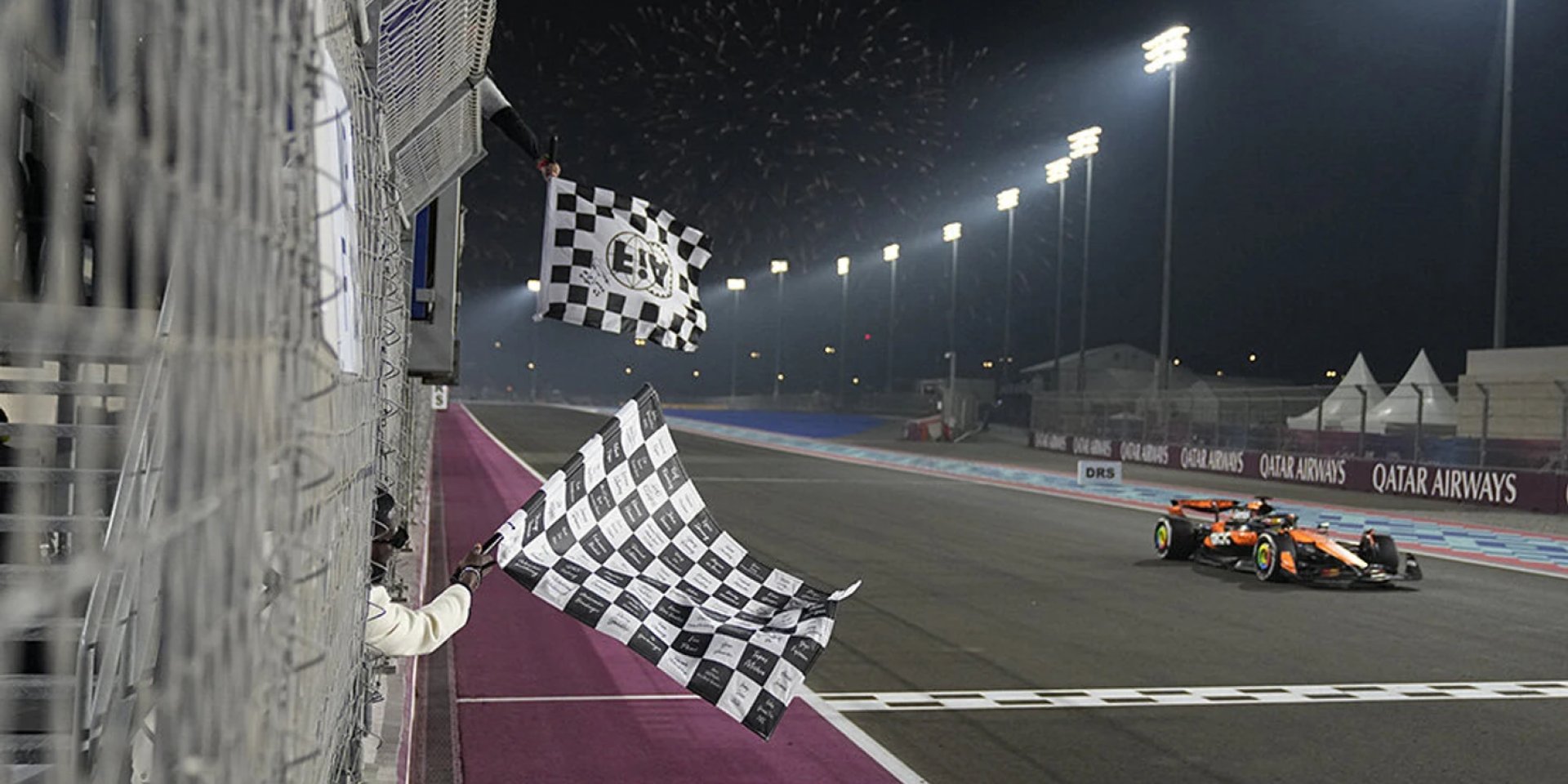
The Middle East stopped being just an oil supplier long ago – step by step the region is turning into a global financial hub and host of the biggest sporting shows. Formula 1 has become one of the key shop windows of this push: high-speed single-seaters are used to sell a vision of the future, invest in political clout and build a recognizable national brand. And whereas Qatar used to be associated in sport first and foremost with the football World Cup, now the local elites are also betting heavily on motorsport – the Grand Prix in Lusail has turned into a huge multimedia project where the race itself is only one part of the spectacle.
The Middle Eastern F1 Belt Is Never Too Crowded
The Gulf states are acting in step – and aggressively. Saudi Arabia, the UAE, Qatar and Bahrain, via their sovereign wealth funds, are buying up stakes in clubs, leagues and media assets, insuring their economies against the day when oil revenues are no longer guaranteed. Sport is one of the key tools in this transition.
Now every country in the region has its own round of the world championship: the Formula 1 calendar is literally ringed with Middle Eastern Grands Prix. For the right to host the season opener or finale they pay tens of millions of extra dollars every year – according to estimates, we are talking about $50–60 million annually on top of the base fees. Half of the grid already carries logos of Middle Eastern companies on the cars and overalls, and the FIA president himself, Mohammed Ben Sulayem, represents the UAE – symbolic proof that the head of the regulator now also comes from the region.
Qatar's Megaproject: A Ten-Year Deal and a Times Square Paddock
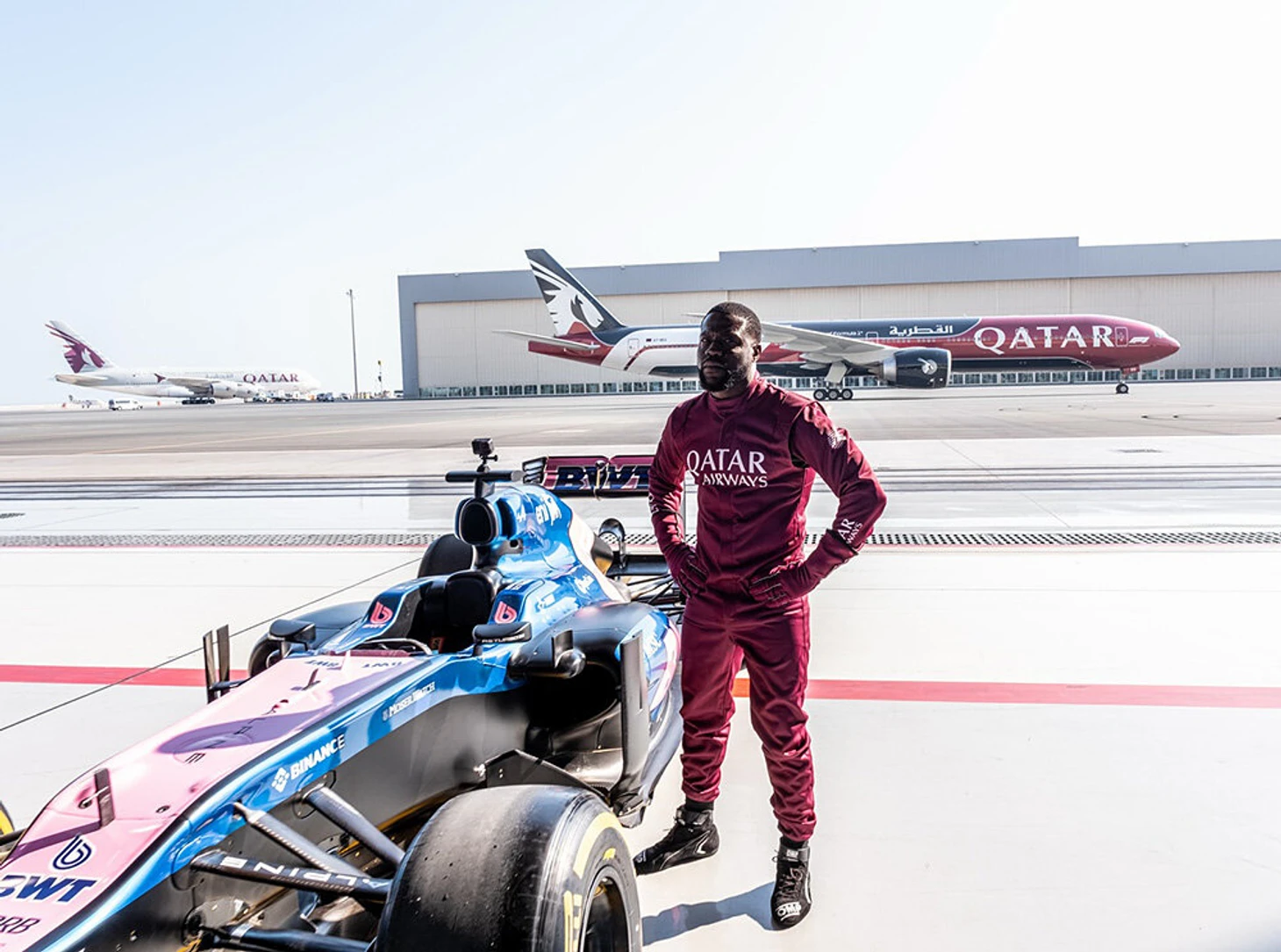
Against this backdrop Qatar is trying to stand out even among its neighbours. Its Grand Prix is one of the youngest on the calendar, but in terms of investment the country immediately declared itself a permanent player. The contract to stage the race for 10 years alone cost around $600 million. In parallel, Qatar has put roughly $350 million into a radical overhaul of the circuit and paddock, turning it into a neon “Times Square” in the middle of the desert – with giant screens, lounge areas and corporate spaces.
The state airline Qatar Airways has become one of the championship's most visible partners: it sponsors three Formula 1 rounds, backs the Alpine team and Pierre Gasly personally, and actively pushes the brand in French sport. From the new season the tourism authority will step in even deeper: the factory Audi car will carry a Visit Qatar livery. That is logical – about 30% of the future team's shares are controlled by a Qatari sovereign fund, which means a world championship car becomes a direct advertising billboard for the country.
From Desert to Big Stage: Why Qatar Needs a Parade of Stars
Simply dragging the paddock and the cars into the desert is not enough. To sell the world an image of a modern, open and attractive state, you have to fill the race weekend with faces, stories and emotions – this is exactly how the highest-rated rounds in Europe, America and Asia work.
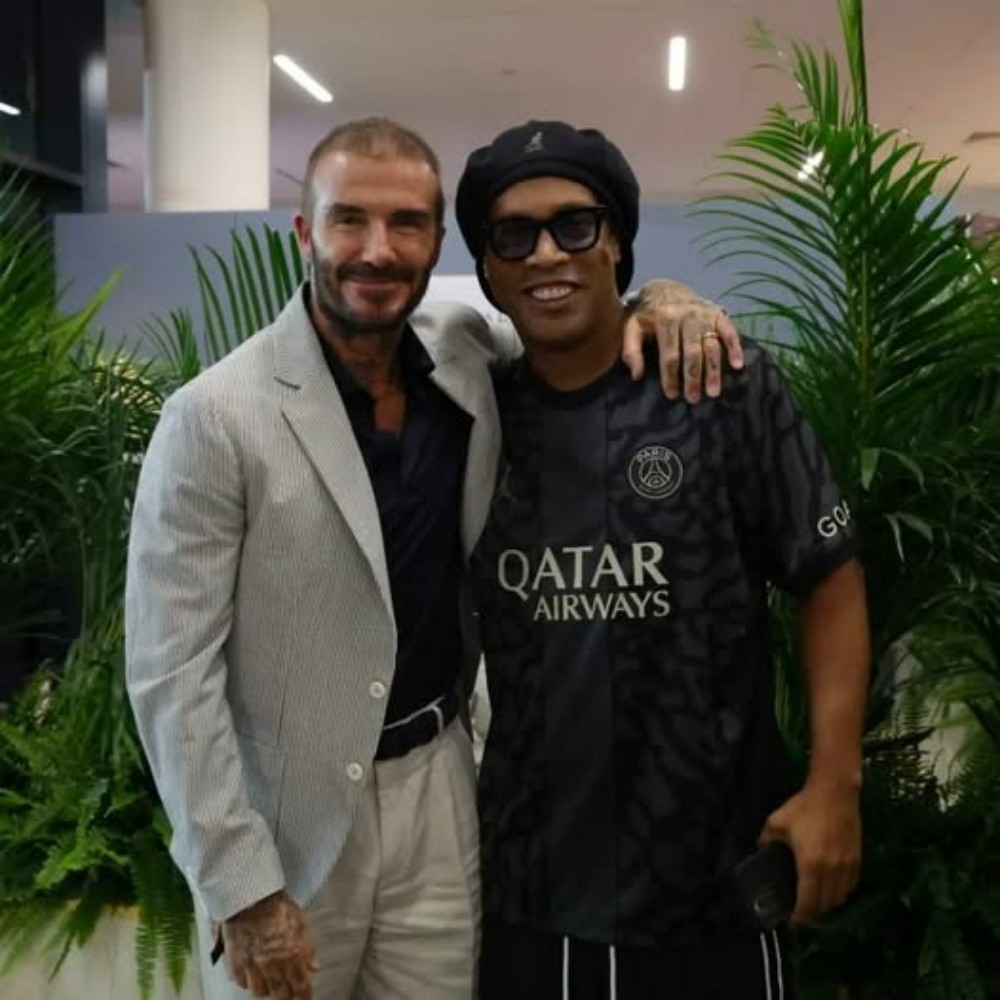
This is where the Qatar Airways and Visit Qatar programmes come in. Dozens of ambassadors are signed all over the world – from legendary athletes to media celebrities. They are regularly brought to top events, involved in filming and made to feature constantly in broadcasts and on social media. In previous years the main burden was carried by David Beckham – holder of a separate 10-year, $150 million deal – and Ronaldinho, but by the 2025 season Qatar had clearly decided to raise the bar and organise a full-on festival of famous names, especially in case the title fight was decided in Lusail.
Djokovic on Track, a Bike Parade and Rock Headliners
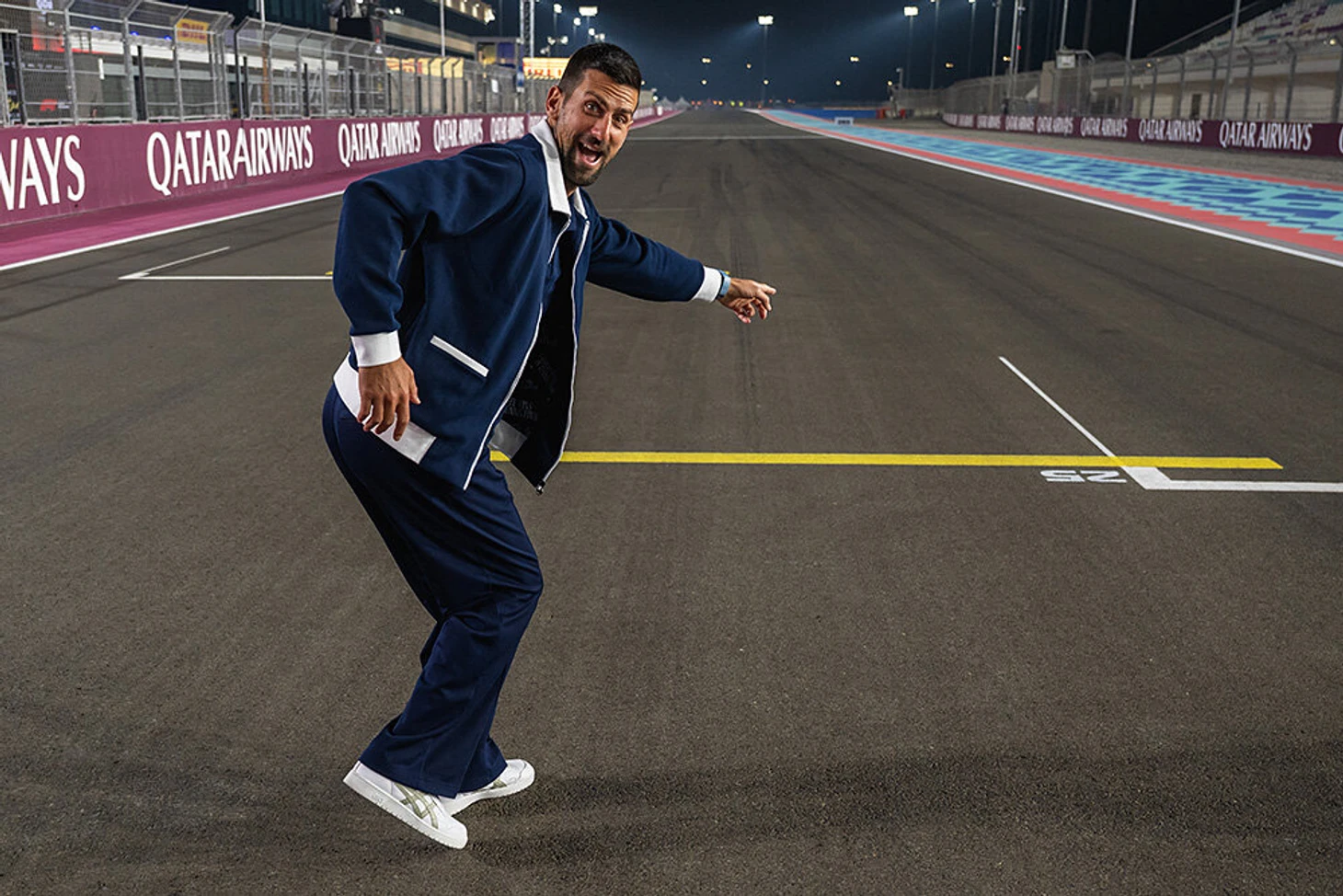
The show started long before the start lights came on. On Thursday – effectively the warm-up day of the weekend – Novak Djokovic appeared in the paddock as Qatar Airways' official “health consultant”. The most decorated active tennis player ran a warm-up session for Alpine staff and volunteers and then led a bike ride around the circuit, turning the race track into a fitness arena. Among the Formula 1 drivers, Franco Colapinto fulfilled the sponsor duties in these activities.
Djokovic was allowed virtually everywhere: he strolled calmly behind the safety barriers, filmed what was happening right next to the cars and showed up in the garages of rival top teams. He managed to visit both Red Bull and McLaren, and then presented the sprint winner's trophy – a strong visual message for the TV audience.
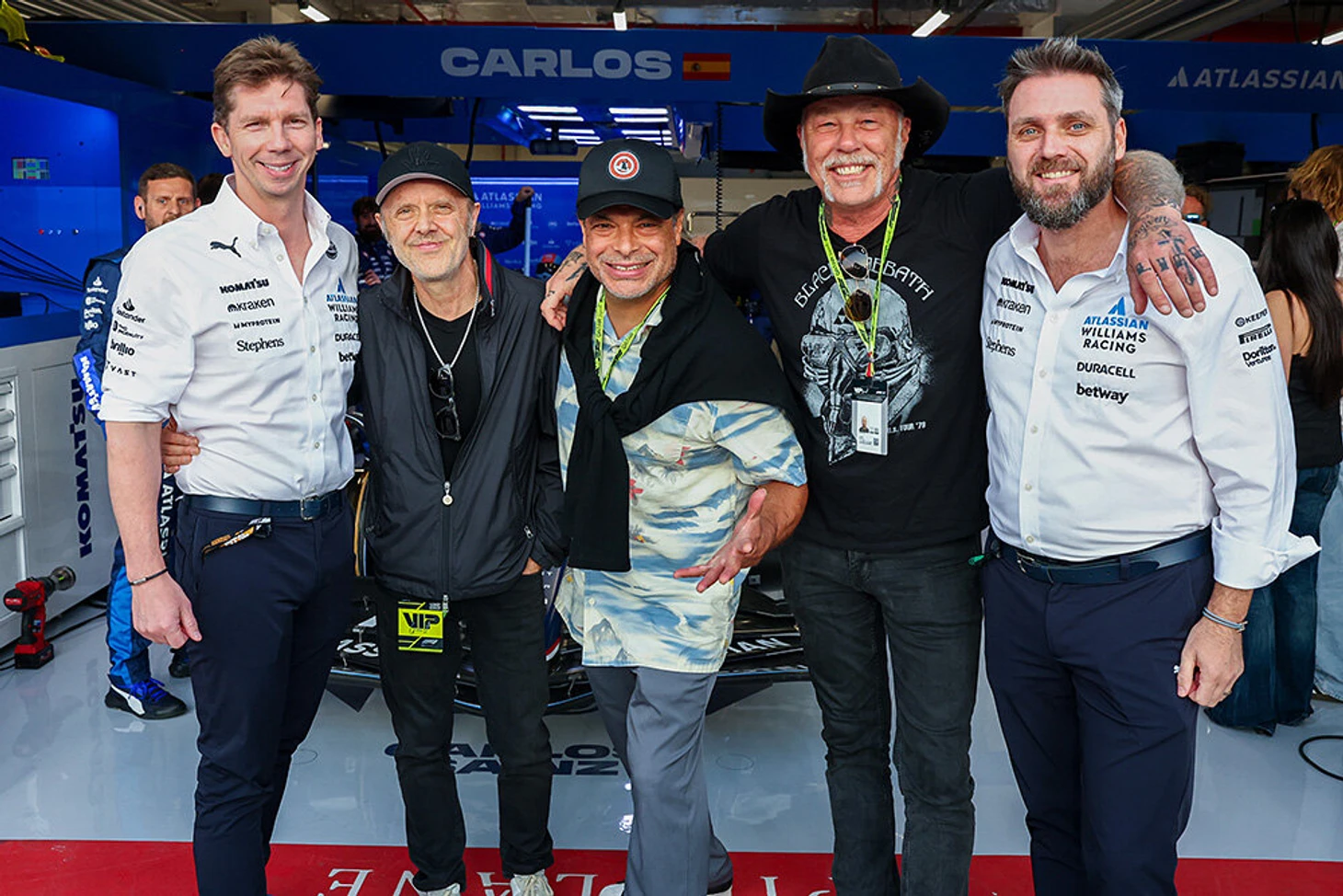
The volume of the weekend was handled by Metallica. The legendary heavy metal band became the musical headliners – their concert took place right in the paddock after the on-track action had finished. Judging by the scale, the Qatari state fund had clearly been hoping for a title-clinching finish and an appropriate party – that did not work out, but the band were carefully escorted along the starting grid, through the garages and into Formula 1's offices for three days in a row.
The unexpected centre of gravity for the musicians turned out to be the Williams garage. Team principal James Vowles personally showed them around, demonstrated the steering wheel and chatted to the artists – and in the end the weekend played out for Carlos Sainz like that of a racing rock star: he finished on the podium, and jokes about “musical luck” spread through the paddock. Mercedes also reached the podium in the sprint – Metallica paid them a visit as well, and James Hetfield was even given a ride in the safety car before the sprint.
A Football Army and Olympic Stars in the Paddock
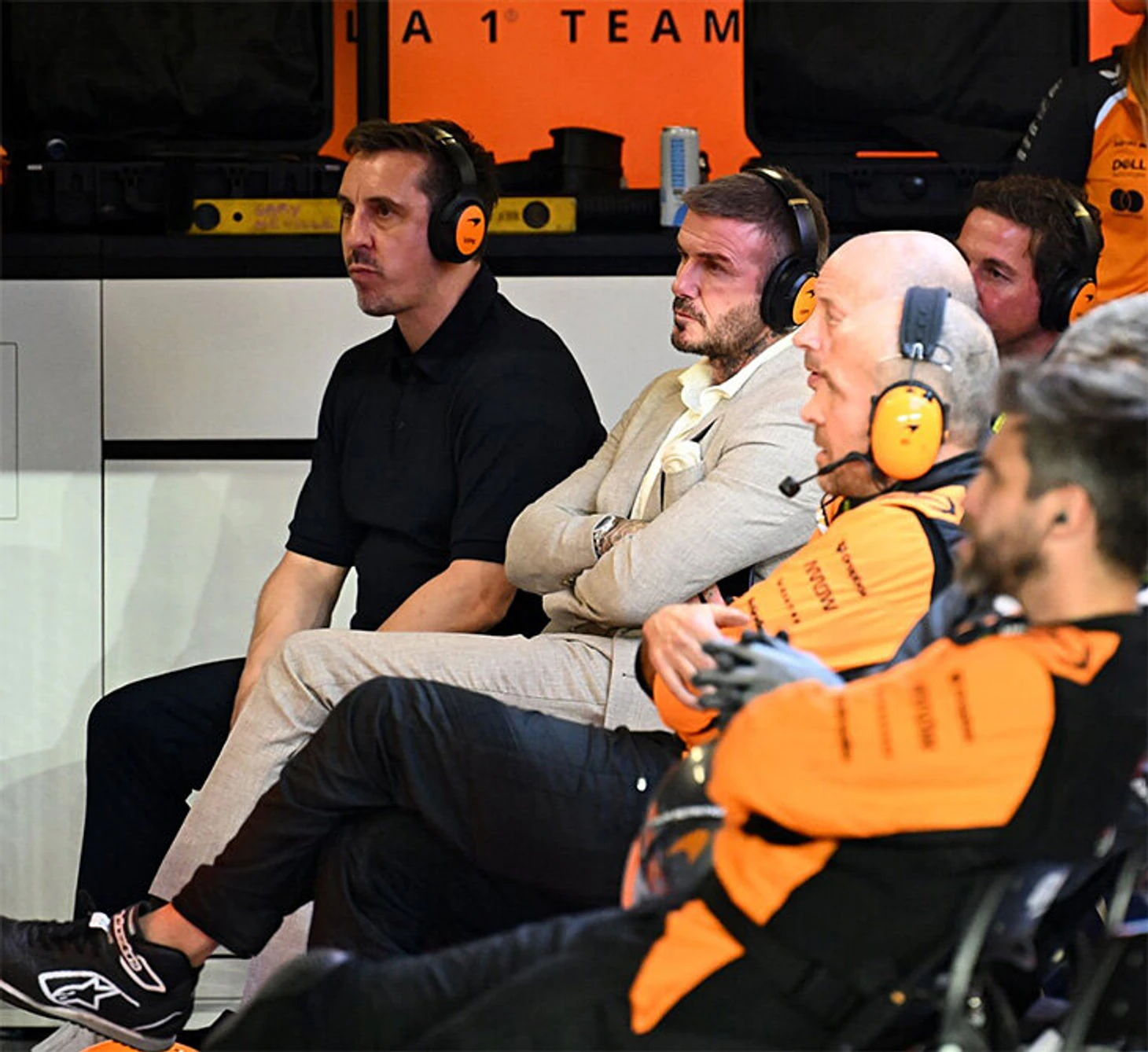
Football, the main global language of sport, was also represented as powerfully as possible – especially from the English side. David Beckham arrived in Lusail on the day of the Grand Prix but worked as if he were an ambassador for an entire week: he gave a torrent of interviews, accompanied TV crews and was constantly in shot. He brought Gary Neville into the McLaren garage – the former Manchester United teammates watched pit stops together and featured prominently in the broadcast.
Other legends were spotted in the paddock too. Steven Gerrard, currently working in Saudi Arabia, appeared as a guest of Red Bull. Eden Hazard was there as well, promoting the products of a sponsoring brand. Sami Khedira posed for a photo with Max Verstappen, and another former Manchester United defender, Rio Ferdinand, also flew to Qatar under the Qatar Airways programme.
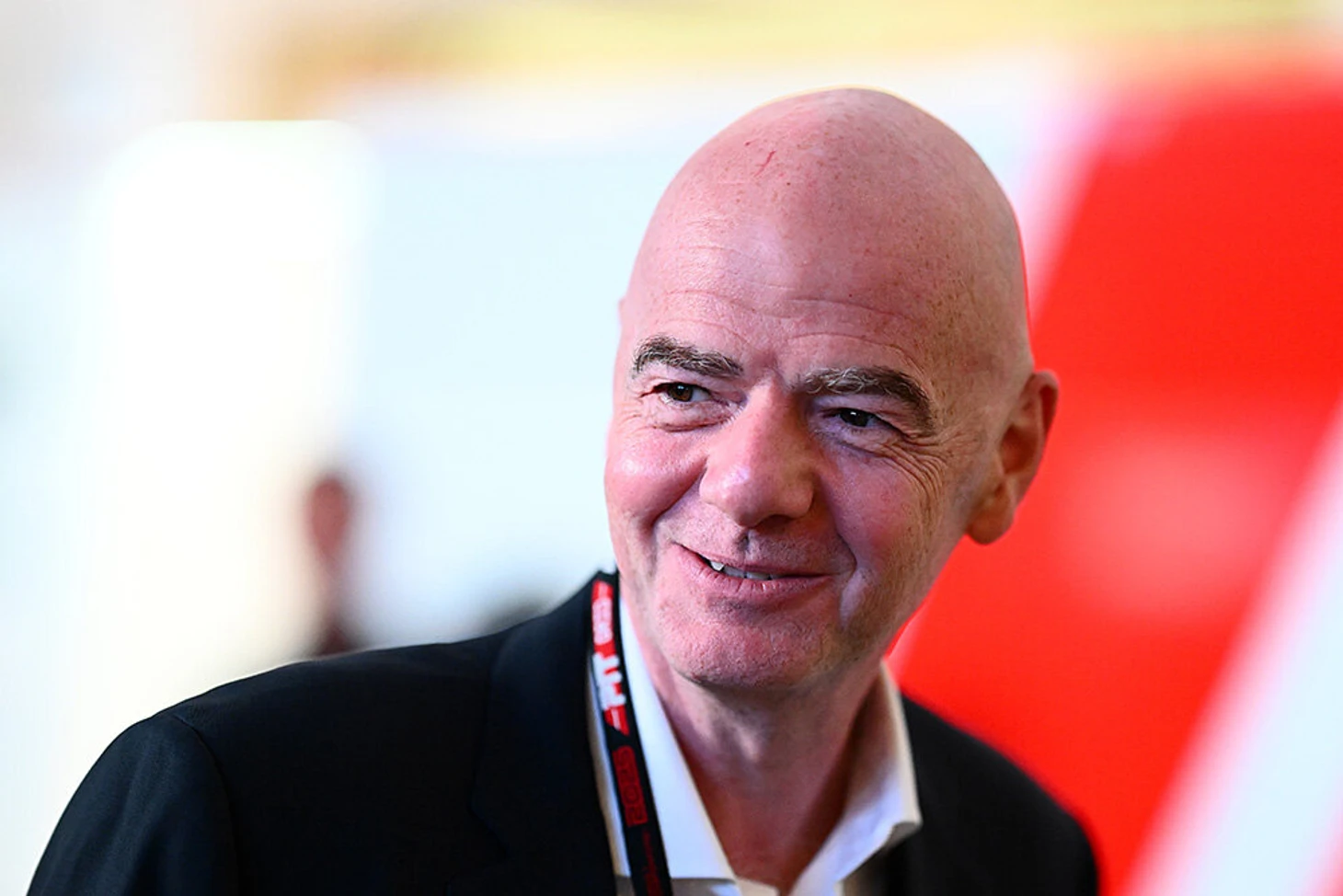
Gianni Infantino was never going to miss an event like this either: the FIFA president was in the paddock for a reason, because the Arab Cup of Nations in Qatar kicked off the very next day after the Grand Prix. For the country this is a strategic link between two major football tournaments with the “queen of motorsport” at the centre.
The hosts did not forget their own heroes. High jump Olympic champion Mutaz Barshim – the main face of Qatari athletics – appeared on the track. Legendary distance runner Mo Farah also dropped by, and Cameroonian heavyweight boxer Francis Ngannou, whom Qatar Airways regularly flies around for joint activities with PSG, added another layer of boxing muscle to the overall picture.
Hollywood, Stand-Up and a Message of Openness
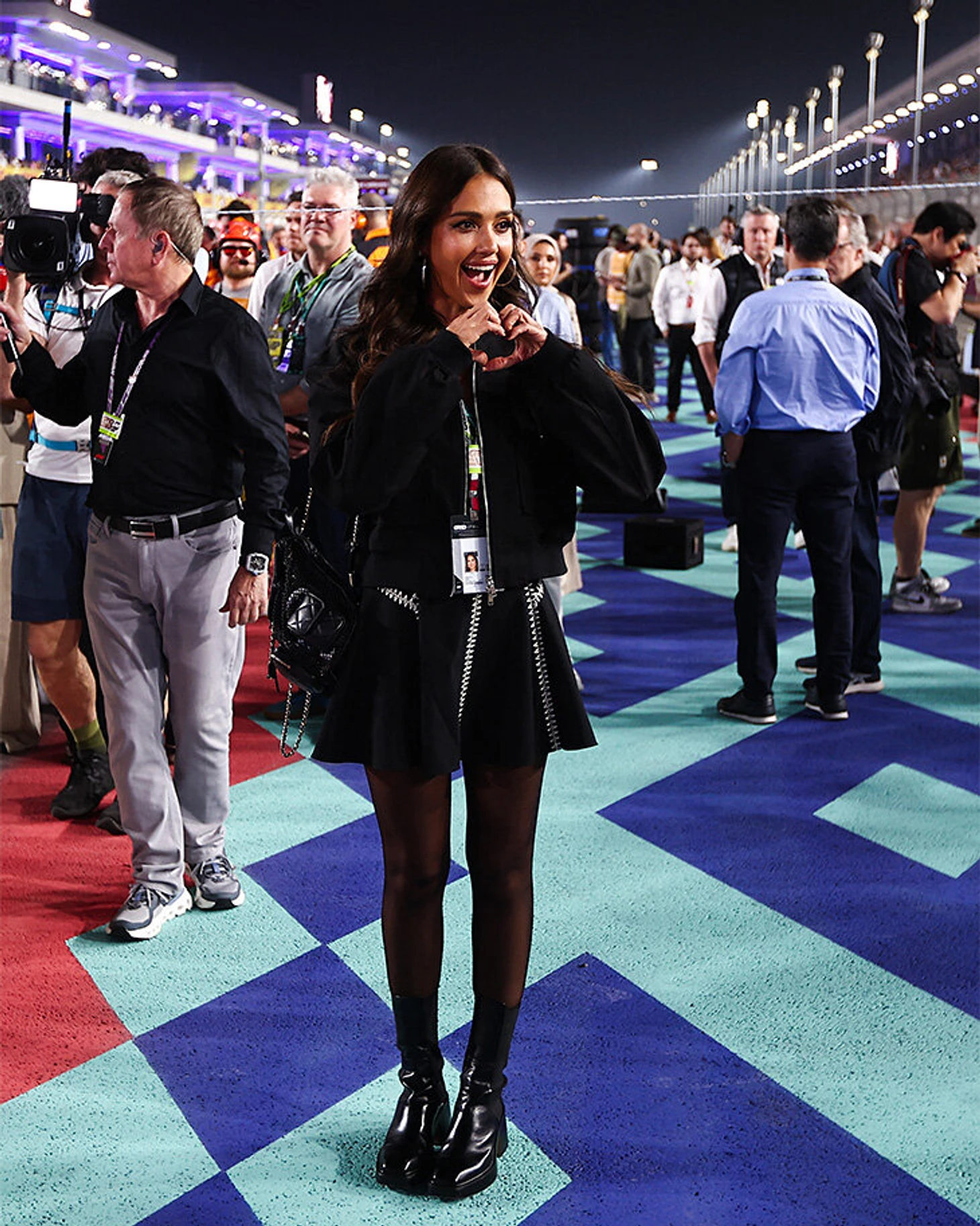
The TV picture was completed by stars from show business. On the starting grid, cameras caught a rare guest at a Grand Prix – actress Jessica Alba, who was also added to Qatar Airways' list of special ambassadors. The “new TV faces” slot was filled by Maya Jama, co-host of Peter Crouch's popular football show on the BBC.
A separate focus was put on the American audience. Comedian Kevin Hart was given a personal photo shoot, a run in Alpine's show car and then the honorary role of waving the chequered flag at the end of the Grand Prix. It was a direct message to viewers in the United States: Formula 1 and Qatar are part of your entertainment world.
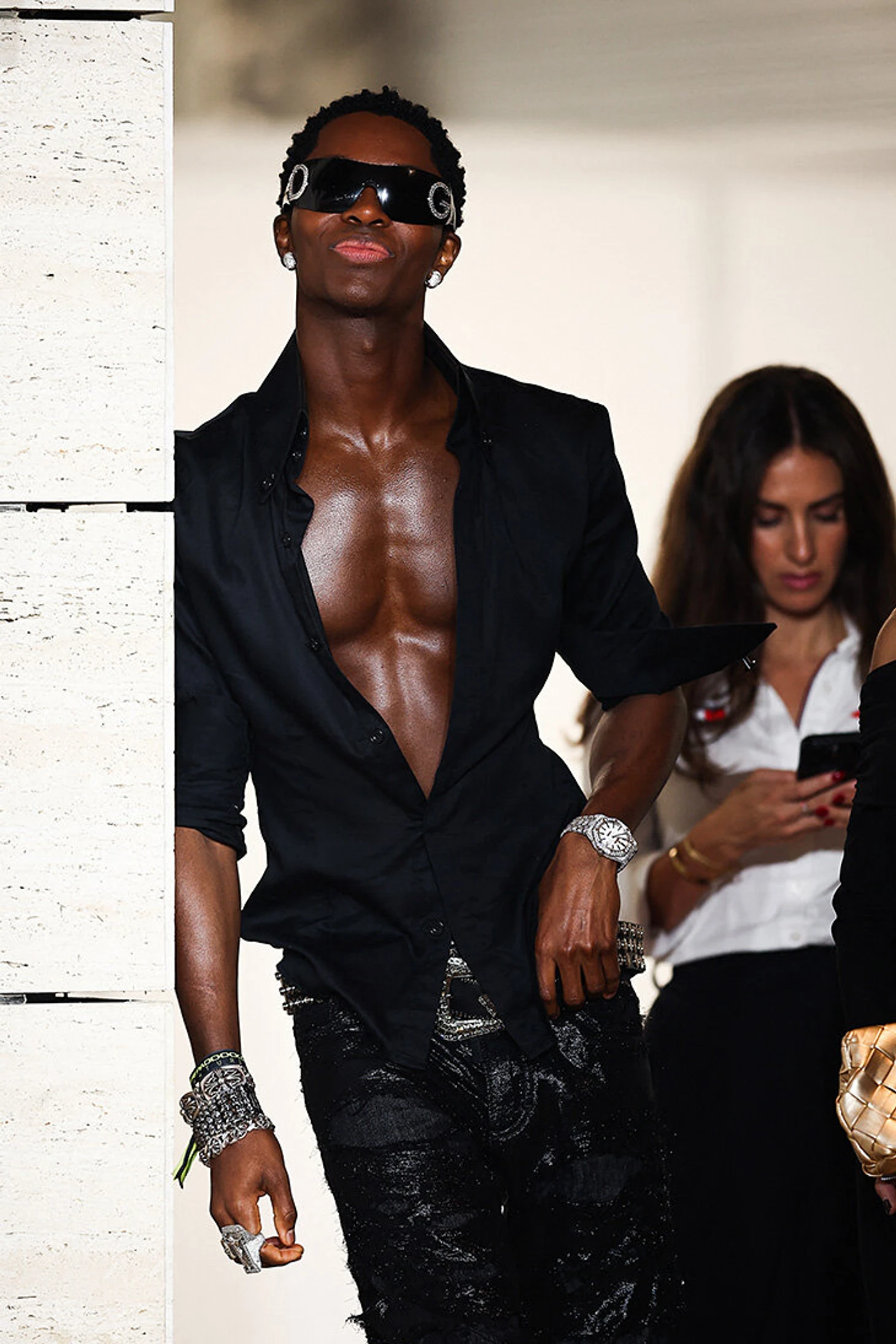
But the most talked-about episode was the appearance of Alton Mason. The American dancer, actor (including in the film “Elvis”) and supermodel stepped into the paddock and onto the grid in outfits that by local standards were extremely bold, almost provocative. The fact that such looks did not trigger public scandal became a careful signal that Qatar is ready for a freer, more modern image. To maximise the effect, Mason was also entrusted with presenting the trophy for pole position – ensuring that the message of “new openness” made it into the global broadcast.
The celebrity background did not end there. One of Europe's most popular YouTubers, Squeezie – co-founder of a successful French media league racing Formula 4 cars – quietly appeared in the Ferrari garage and seemed almost invisible against the overall backdrop. For an older American audience, Qatar invited another heavyweight: comedian and TV star Steve Harvey.
When the Race Becomes a Backdrop
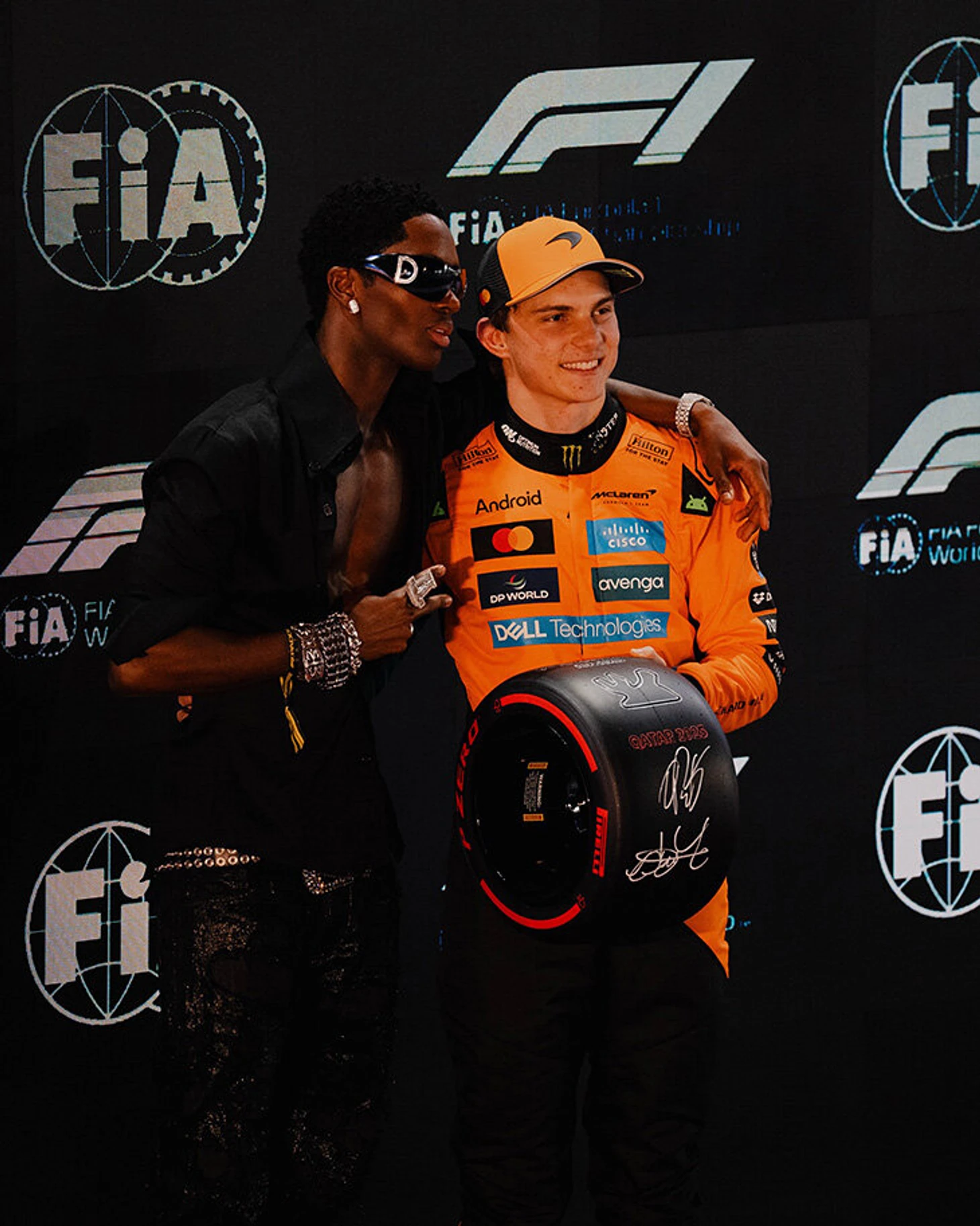
Putting all these episodes together, the picture becomes clear: Qatar is using Formula 1 not just as a sporting event, but as a gigantic advertising platform. The country pays extra to stage sprint races, invests in bringing in famous guests and expands the pool of teams with which it is linked via state funds. The main aim is maximum screen time, showcasing the infrastructure and imagery of “new Qatar” to millions of viewers around the world.
At the same time, the racing element in Lusail is still far from ideal: the layout of the circuit makes overtaking difficult, and many sessions can look dull. Yet paradoxically this works in the organisers' favour: the less drama there is on track, the more the TV directors switch to the grandstands, VIP areas, invited guests and views of the night-time desert.
So the question is no longer “Who will win the Qatar Grand Prix?”, but “Who will they bring into the paddock next time?”. In a world where sport is increasingly turning into a media show, Qatar is using Formula 1 to demonstrate just how far it is prepared to go to make the country an integral part of global prime time.