

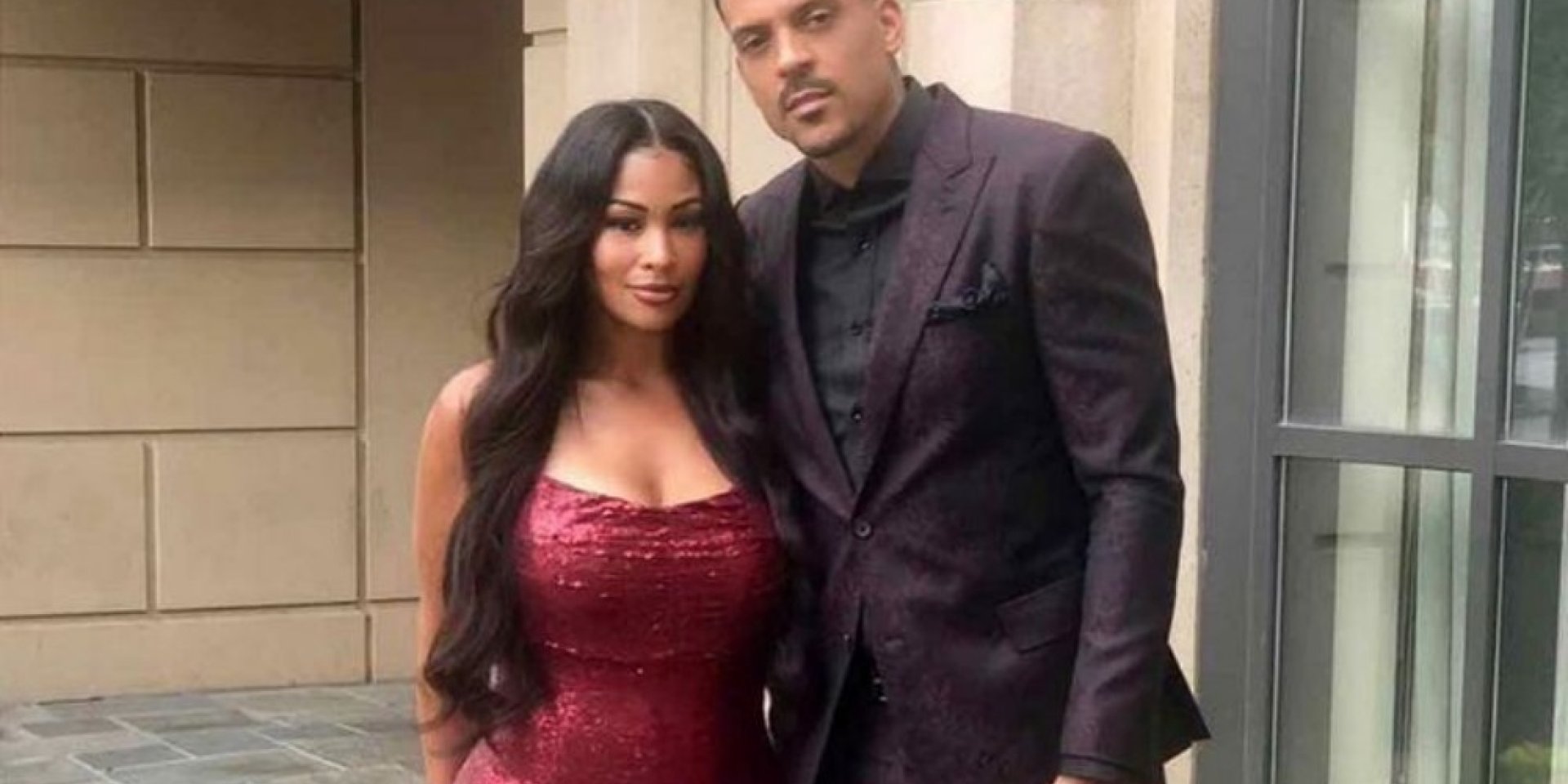
In basketball we are used to decisive moments happening on the court: you miss a free throw, turn the ball over, commit a foul in the closing seconds. But for former NBA champion Matt Barnes, the fateful miss happened far away from the floor. In his case the opponent was not another team or even toxic fans, but artificial intelligence, which turned into a tool of blackmail and cost the ex-player tens of thousands of dollars.
Barnes's Volatile Temper: Fouls Not Only on the Court
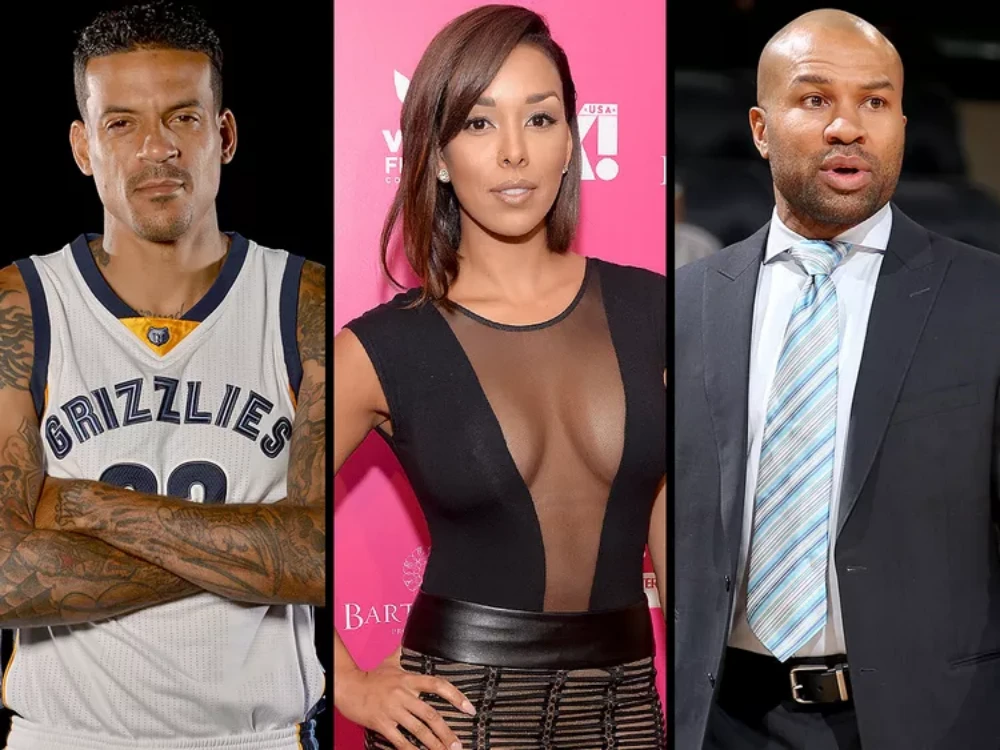
Matt Barnes is far from the calmest character in league history. In the NBA he was known as a hard-nosed, confrontational forward who never shied away from contact. Off the floor he behaved in roughly the same way. Barnes already has a whole list of episodes to his name that looks more like a news ticker than an athlete's biography:
- he angrily went after a student commentator over a play in a high school game involving his son;
- he drove halfway across the state to confront Derek Fisher in person;
- he received a court order to pay 134,000 dollars to his ex-wife;
- he spat in his fiancée's ex-husband's face at an NFL game.
You would think that after a run of incidents like that it would be hard to surprise Barnes with anything. But then a new opponent appeared in his life – 'Zoe' and neural networks.
The Emergence of 'Zoe': How AI Turned Into a Weapon of Jealousy
According to Barnes, the whole story started in the summer of 2023. At that moment he had temporarily broken up with his partner, model Anansa Sims. During that period a woman using the alias 'Zoe' contacted him on social media. They messaged back and forth, exchanged texts, but, as Barnes insists, never met in person even once.
When Barnes and Sims got back together, the real assault began. According to the former player, 'Zoe' used artificial intelligence to create audio recordings and text messages that supposedly proved he had cheated. The neural network mimicked his voice and his way of talking, generating a fake 'chat' and voice notes that looked convincing to an outside observer.
A Year Under Blackmail: Pregnancy, Stress, and 61,000 Dollars
What made the situation especially vulnerable was that Barnes and Sims were taking part in a reality show and had publicly announced that they were expecting a baby. For the blackmailer that became a perfect pressure point: pregnancy, cameras, and public attention.
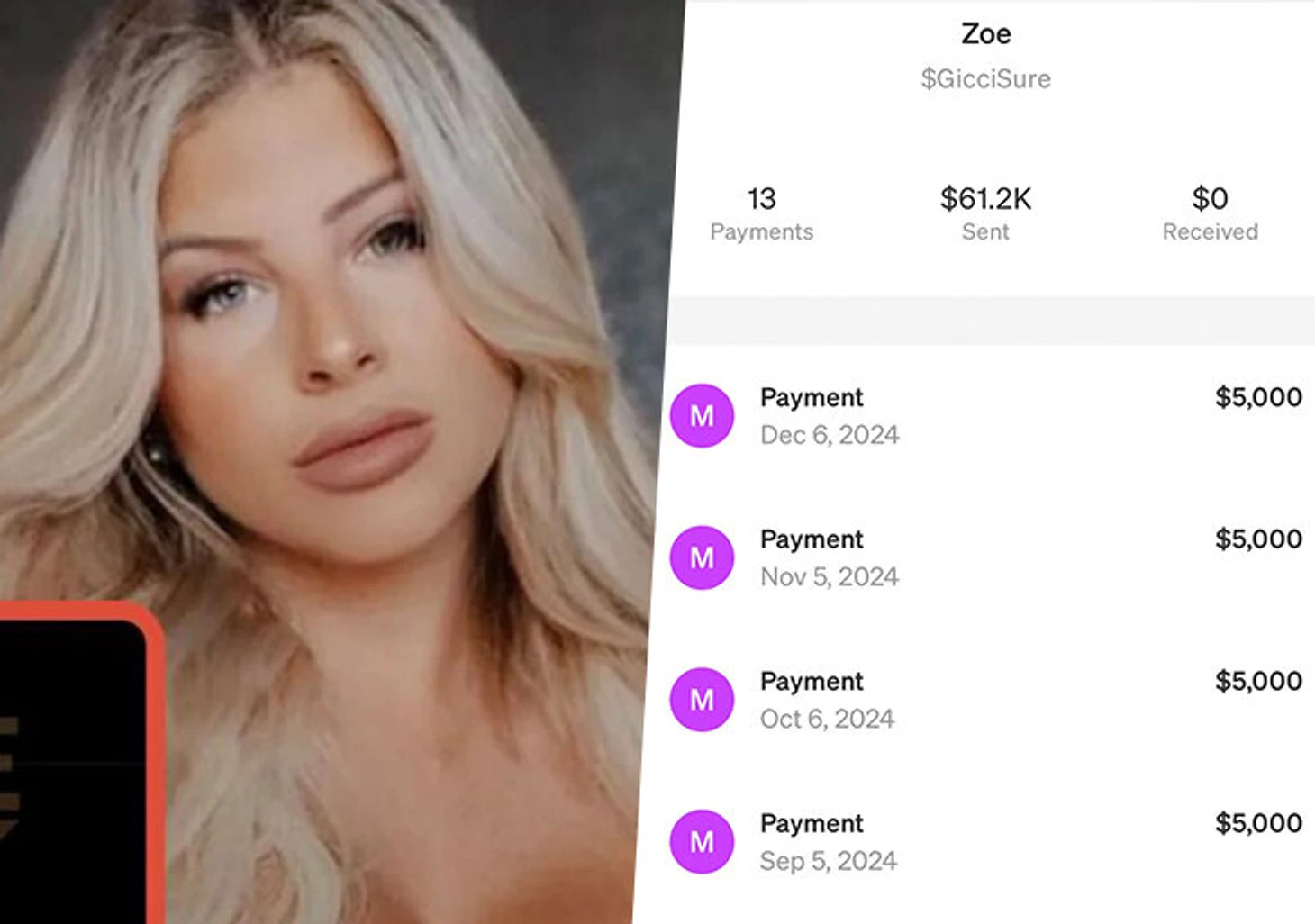
'Zoe' called and texted from different numbers, threatening to destroy Barnes's career and private life. She promised to send the AI-generated content to bloggers and media outlets, including Tasha K, who is well known in stories like this.
Barnes says he decided to pay in order to protect his partner: Sims was already older, the pregnancy was stressful enough as it was, and a scandal with accusations of cheating could only make things worse. As a result, according to the former player, he sent money to the scammer for almost a year – right up until December 2024, when the child was born. By Barnes's and his circle's estimates, the total reached 61,000 dollars.
When Bloggers Play by Their Own Rules
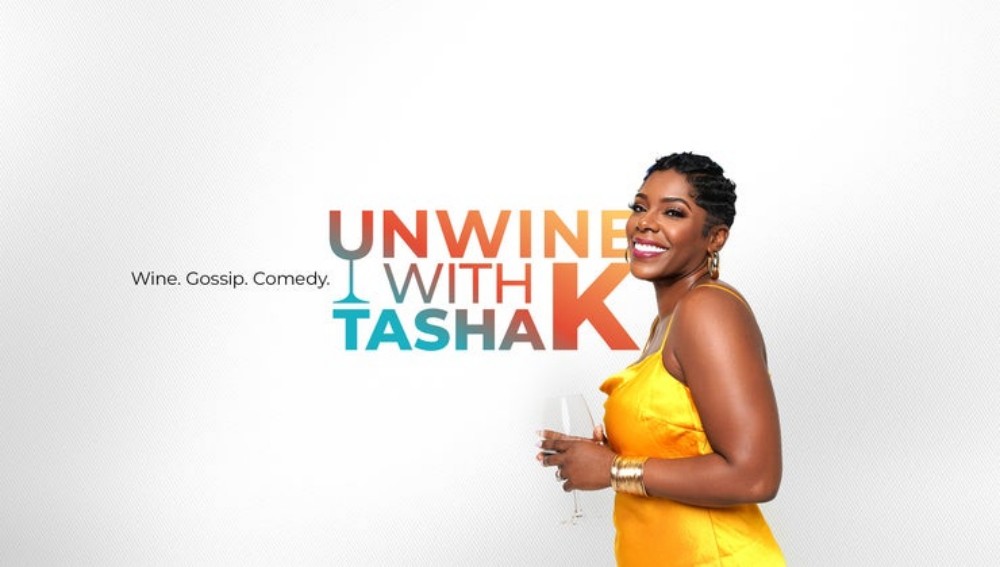
But the story did not end there. Contrary to what you might expect, Barnes filed a lawsuit not against the mysterious 'Zoe' but against a real media personality – blogger Tasha K. He believes she is the key amplifier of the lies that started spreading across the internet.
Tasha K hosts the show UNWINEWITHTASHAK and has long been known for her provocative style: gossip, loud claims, and candid stories about celebrities. Her approach has repeatedly led to lawsuits – including from Cardi B and Kevin Hart – and to multi-million-dollar judgments. But it seems that neither court rulings nor huge fines have slowed her down.
Over the course of a year, Barnes says, Tasha K regularly came out with 'inside information' about his life: allegedly he pressured his girlfriend to have an abortion, tried to talk her out of taking part in the reality show, and then there were even insinuations about his sexual orientation. Around his name, a toxic media fog formed, based on fake recordings and messages.
Barnes's Statement: Truth Chasing After Viral Lies
In his public address, Barnes explained that he was sharing this story not to elicit pity. His aim is to show how easily lies in the era of social media and AI spread faster than any official version of events. He recalled an old metaphor: while truth is still 'putting its boots on', a made-up story has already gone around the world.
The former player stressed that all those 'chats', 'voice notes', and other supposed 'evidence' are fabrications generated by neural networks and '1,000 percent complete nonsense'. He promised to show some of the materials and proof so that viewers could see that there is another side to the story. In his words you can hear the irritation of a person who has to defend himself in public not for his real actions but for digital simulations.
Arenas's Remark: A Con Man Who Doesn't Believe in Other People's Scams
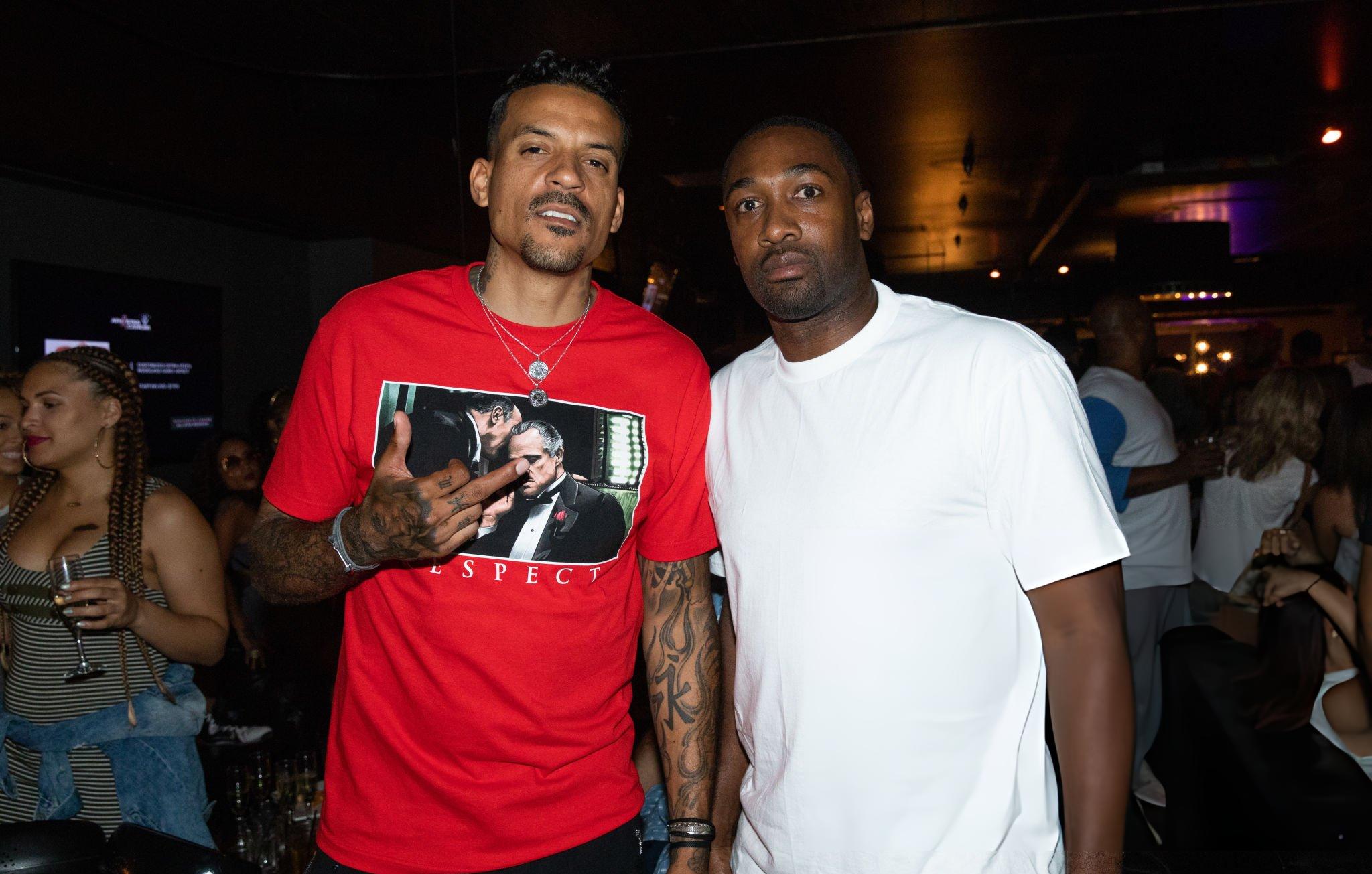
Gilbert Arenas's reaction added a special twist to the story. We are talking about a man who himself recently came under close scrutiny from federal authorities over fraud-related cases and who at the same time likes to play the role of someone who 'can never be fooled'.
Arenas found it hard to believe that Barnes had paid 61,000 dollars just so that someone would 'stay quiet'. In his logic, if he's paying tens of thousands, he wants to get a concrete product, not an abstract promise to 'not post anything'. He said with irony that he himself could never be caught in an AI trap because he would demand 'real evidence' rather than a set of digital fakes. But in practice it was Barnes who ended up in a situation where the stakes were too high – an expectant partner, constant public attention, a controversial reputation from the past – and he chose to prevent a crisis rather than test how far the blackmailer was prepared to go.
Technological Pressure: What the Neural-Network Story Teaches a Basketball Player

Barnes's story is not just a funny little episode about an 'AI kitty' that managed to squeeze 61,000 dollars out of an NBA champion. It is a sign of how quickly artificial intelligence has turned into a tool of pressure, especially on people with public status.
Audio and text created by neural networks are becoming harder and harder to distinguish from reality. For athletes, entertainers, and other public figures this means a new level of risk: now their reputation can be destroyed not only by real mistakes but also by digital imitations skillfully served up by bloggers and the media.
Barnes chose to hit back in the legal arena – through the courts and a public statement. But even if he wins his cases, a residue will remain: part of the audience will always remember the loud scandal rather than the careful debunking. In basketball, referees can review a play on video replay. In real life in the age of AI, almost no one watches the 'replay' – the first impression and a headline in the newsfeed are enough. And that is probably the most worrying signal in this whole story.