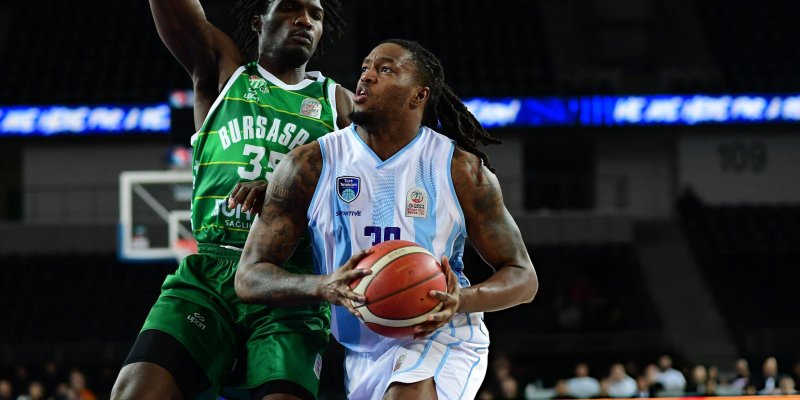


When you look at the Dallas players, it sometimes feels like their fitness is challenged not only by the NBA schedule but by the state of Texas itself. Here, the old saying that everything is bigger has long since stopped being a joke and turned into a description of reality. Bigger plates, bigger portions, more calories – and yes, bigger bodies. And it is not only about Luka Dončić or Anthony Davis, whose weight has been discussed many times in the context of game shape, but also about statistics that speak about Texas louder than any sports commentator.
Texas in the Heavyweight Division: States With Excess Weight
If you put emotions aside, cold numbers look heavier than any center. In the fall, the analytical service WalletHub published a fresh ranking of the "heaviest" US states – regions with the highest share of people who are overweight or obese.
The study compared 50 states and the District of Columbia using 31 metrics grouped into three main blocks:
- Prevalence of overweight and obesity – the share of adults, teenagers, and children who are overweight or obese.
- Medical consequences – rates of type 2 diabetes and high cholesterol, as well as the level of healthcare expenditures related to obesity.
- Nutrition and physical activity – the share of people who eat less than one serving of fruit and vegetables a day, the number of physically inactive adults, the frequency of sugary soda consumption, and similar indicators.
The leaders of the anti-ranking are long familiar: West Virginia has been at the top for years, and Louisiana is steadily in the top five (and yes, Zion Williamson is still living in a "difficult food environment"). Texas ended up at the tail end of the top ten, taking eighth place.
The picture by individual blocks looks like this:
- 5th in the share of overweight people;
- 30th in the severity of medical consequences (things are a bit less bad there);
- 11th in nutrition and fitness indicators.
One could somehow come to terms with these figures if it were not for one small but very important detail: scale. West Virginia has a population of about 1.8 million, while almost 32 million people live in Texas. The area of the state is roughly 700,000 square kilometers, and in the US only Alaska is larger. In the Dallas metropolitan area alone – if you include the city and its surrounding territories – about 9 million people live. A very large share of them love to eat – sincerely, passionately, and almost professionally.
Why Texans Eat So Much: Heat, Borders and the Dream of a Better Life

There are, in fact, quite rational reasons behind this gastronomic abundance.
First of all, the reason is the climate. Most of the states in the "heavyweight" list are located in the southern US. The weather is hot, sunny and relaxing – in Texas, the average winter temperature is around +15 degrees Celsius. In such conditions, standing at the stove is far less appealing than heading down to the nearest diner or fast-food place: quick, fatty, filling and tasty.
The second factor is geography. Texas borders Mexico, and Mexican cuisine is at once very hearty, often quite fatty and usually fast to prepare. Tacos, quesadillas, enchiladas – all these dishes have long become part of the daily diet of Texans, not just a weekend exotic.
The third factor is migration. Waves of migration from Mexico and Latin America to the US have brought not only a workforce but also recipes and culinary habits. A new country, a modest start, a family-run restaurant – one of the most understandable pathways of social mobility. People will always want to eat; if you can offer them delicious food, a friendly attitude and reasonable prices, you have a chance to gain a foothold.
That is why cities like Dallas have been turning into stops on gastronomic pilgrimage routes. Officially, the largest city in the state is Houston, but in terms of its sprawling metropolitan area, the real magnet is Dallas. Here it is easier both to disappear into the crowd and to launch a small business. When Mexican traditions merge with Americans' ability to "adapt absolutely everything to their needs", the result is dishes that even NBA professionals find hard to refuse.
Dallas as a Buffet Table: Ten Blows to the Waistline
Below are the very gastronomic stars that can leave even the strictest diet plan on paper only. And yes, all of them are waiting for the Mavs players just a few blocks away from home.
Soups That Play Contact Basketball: Chili Con Carne and Tortilla

Hearty soups are one of the key pillars of Texan cuisine. A rich beef broth packed with meat, beans, cheese and hot peppers stops being a light starter and turns into a full meal.
In Dallas, Fearing’s restaurant has achieved almost cult status thanks to its unique take on tortilla soup, which it has been serving since the early 1980s. Smoked chicken, crispy tortilla strips, cabbage, radish, jalapeños and white cheddar are first carefully placed at the bottom of the soup bowl, and then topped with a broth that has been left to develop its flavor for several days. For such a hot dish, people are willing to pay gladly, even in the blazing heat.
Steak That Weighs Down Not Only Legs but Also the Stats Sheet
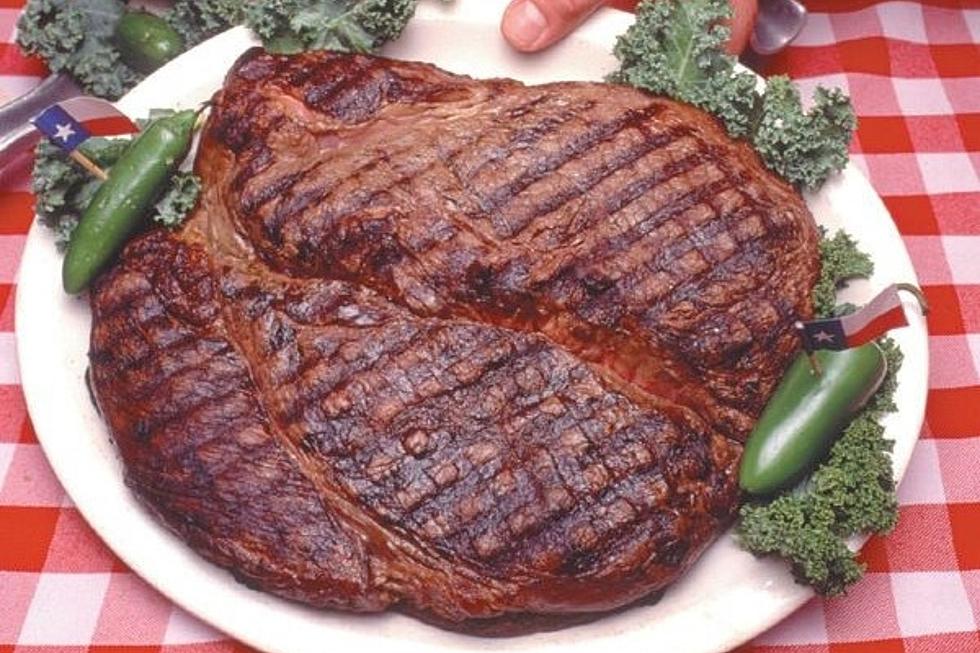
Texas is the heart of American cattle ranching; therefore the question "where do we find good steak meat?" almost never arises. The fundamental rule is simple: a steak, first and foremost, is the quality of the meat – and locals have no issues with that.
But when marbled beef is joined by garlic butter, towering hills of side dishes and an ocean of sauce, even a genetically fortunate forward risks waking up feeling "heavier". Luka Dončić has already experienced this firsthand. After celebrating his draft selection at Nick & Sam’s steakhouse, he began to visit so often that an eponymous dish appeared on the menu – a 77-day dry-aged strip steak served with garlic butter.
Before him, such an honor had been bestowed only on Dirk Nowitzki: his name was given to a bone-in steak aged for 41 days and served with a bone marrow sauce. And that is just the visible part of the menu; on the same pages you will also find sushi, various cuts of steak and seafood – a true All-Star Weekend for the stomach.
Tacos: From Peasant Snack to Tex-Mex Art
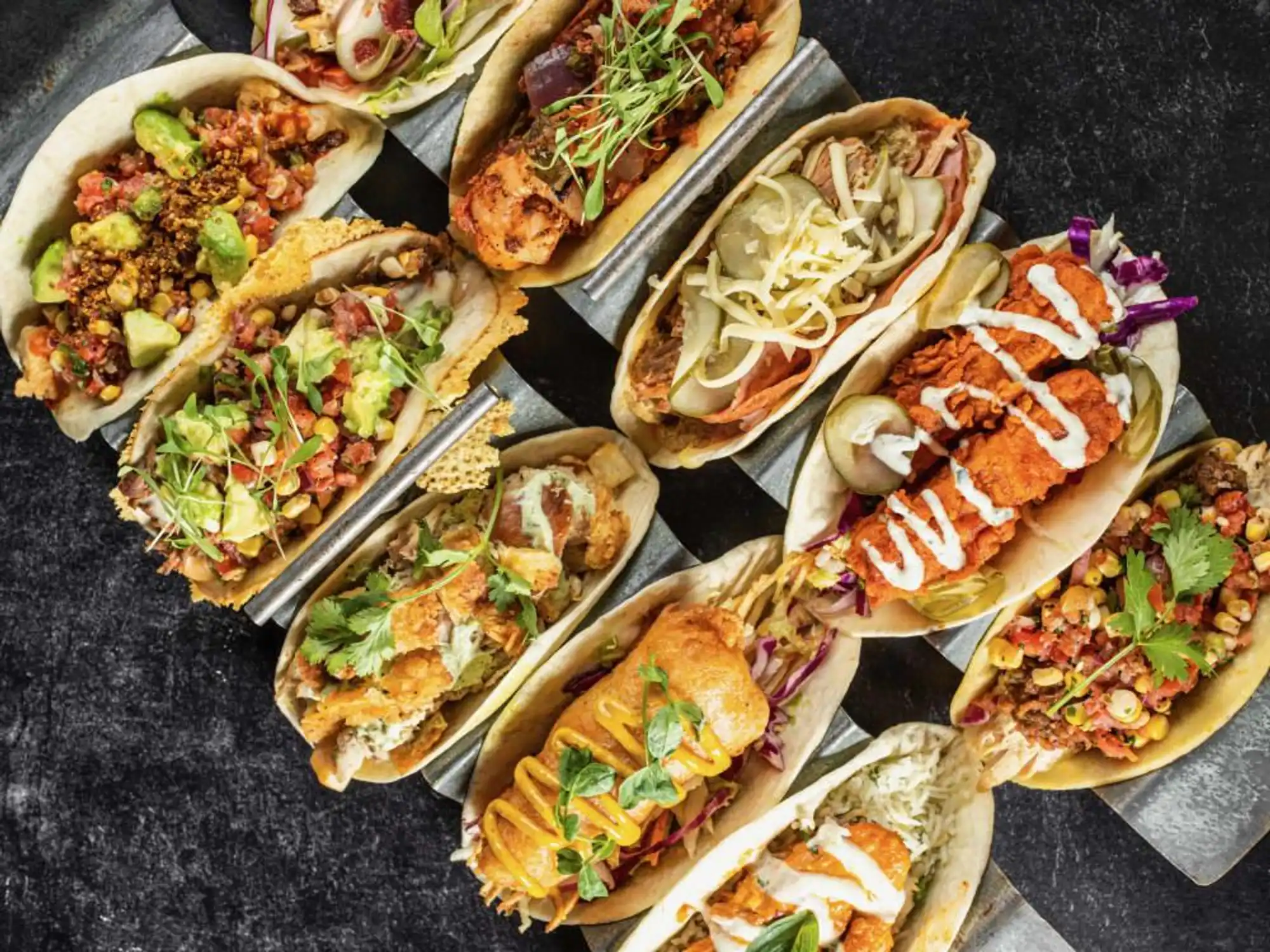
Classic tacos are corn tortillas filled with various ingredients. Originally, this was the food of poor farmers: vegetables, guacamole, a bit of cheese and sometimes egg. Fast, cheap and filling.
However, as Mexican cuisine took root in the United States, a hybrid called Tex-Mex emerged – tortillas began to be stuffed not only with vegetables but also with brisket that had been slowly smoked for hours, smoked barbecue meats and any other smoked delicacies you could imagine. In Dallas, one of the symbols of this style is Mia’s Tex-Mex.
Here they serve tacos made with two fried tortillas stuffed with Monterey Jack cheese, sautéed onions, poblano peppers and brisket in its own sauce, with a side of beans, rice and finely chopped lettuce. The owner, known as "Mama Anna", says that this famous taco was originally served only on Wednesdays, but as the lines spilled out onto the street and scuffles and arguments among hungry customers became more frequent, she had to put it on the daily menu just to avoid constantly calling the police.
Sea in the Palm of Your Hand: Radical Experiments With Seafood

Once the core line of the kitchen is set, food enthusiasts begin to take risks in a way that resembles up-tempo, attacking basketball – bold, eye-catching and with a big wow factor. Revolver Taco Lounge in Dallas is a product of exactly this approach, with a concept built around seafood.
The menu features tacos with octopus, fried leeks and salsa verde, as well as large tortillas stuffed with grilled pineapple, scallions, cilantro and mussels – and these are among the most popular items. From the perspective of an ordinary Mexican farmer, such dishes might look like science fiction, but Dallas patrons are more than willing to stand in long lines for these experimental flavors.
Unlimited Burgers: A Separate League of Gluttony

Imagine a host who never stops listing options: smash burgers, steak burgers, burgers made with donuts, closed pies that look like traditional English pastries, steamed "wet" burgers, pizza-burgers and vegetarian versions where the buns are replaced by avocados cut in half lengthwise...
Each of these options is generously accompanied by French fries, deep-fried chili peppers, cheese croquettes and a variety of sauces. The outcome is predictable: the soul sings, the stomach rumbles, and the body emits a quiet groan while trying to recall the last time it ran a full-court sprint.
Churros: A Sweet Arc Beyond the Three-Point Line

It is hard to imagine anything simpler than dough fried in hot oil and sprinkled with powdered sugar. But in Dallas, even this modest dessert has turned into a playground for creativity. One of the most popular formats is the churro ice cream sandwich.
Two hot, crunchy "discs" of dough hold inside a scoop of creamy ice cream, topped with caramelized popcorn and almond flakes. Rumor has it that some of the best interpretations of this classic in Dallas can be found at a place called Picole – and anyone who says "I will just try it once" very quickly understands why the scale suddenly jumps up.
Molten Brownie: A Dessert Worth Breaking the Diet For

Another local cult classic is the molten brownie – a dessert for which Dallas residents have been willing to schedule a cheat meal since the 1980s. Picture a small chocolate cake ball with slightly burnt edges and an almost liquid center.
The Parigi restaurant keeps the exact recipe for this dessert a secret. All that is known is that a filling called Magic is placed into the baking dish and baked for about 15–20 minutes until the edges resemble cake layers while the center remains sticky. The owner recalls with a smile that Dirk Nowitzki’s wife often ordered this dessert but usually left half of it on the plate to keep her figure, and it was Dirk himself who finished it off, with no need for any persuasion.
Frozen Margarita: Texas's Inventive Spirit
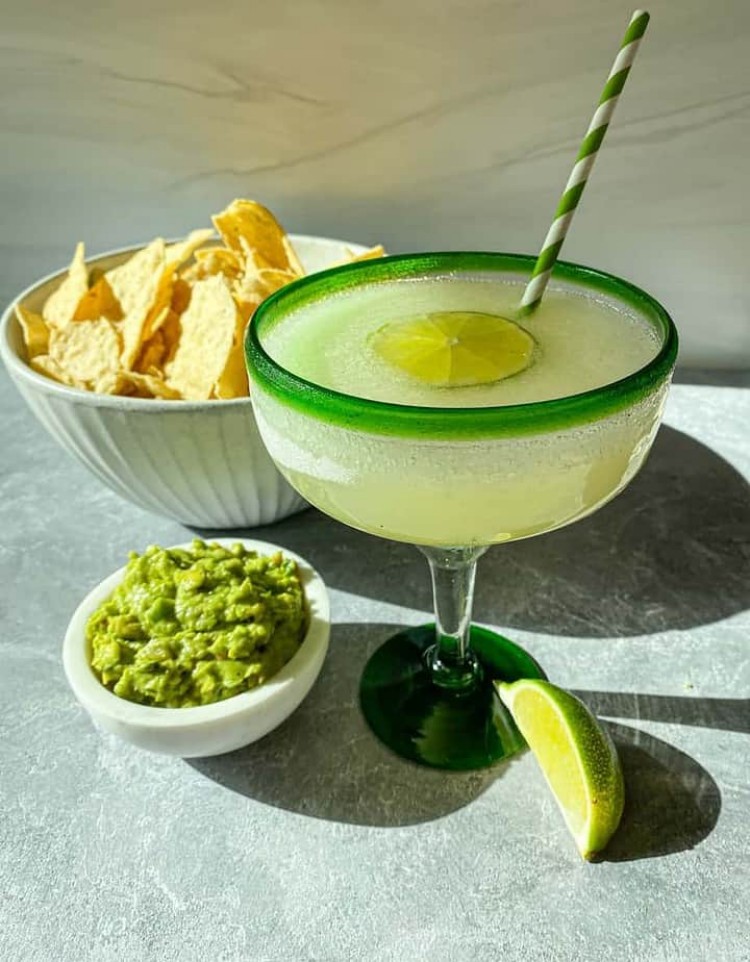
The idea of the frozen margarita was born in Dallas. In 1971, bartender Mariano Martinez realized that although demand for the cocktail was sky-high, the bar could no longer keep up with making each drink individually, and maintaining quality was becoming increasingly difficult. He found the solution while looking at a soft-serve ice cream machine in the window of a neighboring diner.
This is how the first machine appeared that could keep a pre-mixed combination of ice and margarita ingredients at a constant cold temperature and pour out the same quality frozen margarita every time. Martinez modified an old ice cream machine, set it up in his own place, Mariano Hacienda, and thus entered history. Today that first device is displayed at the Smithsonian National Museum of American History, and frozen cocktails have become as much a symbol of Texas as the Lone Star on its flag.
Madrisa: The Cake That "Has to Be" in Dallas
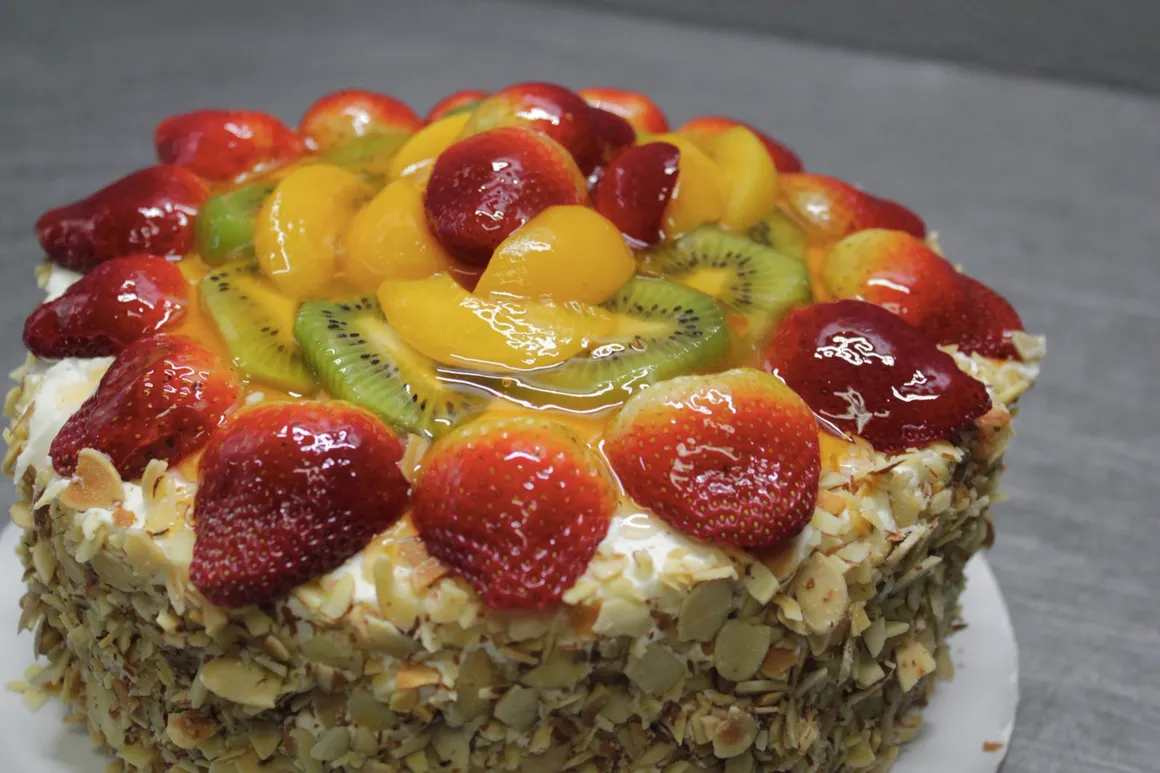
The Swiss-rooted Madrisa cake has long become a near-mystical symbol of local celebrations in Dallas. Since the 1960s, it has been an indispensable companion of graduation parties, weddings, anniversaries and birthdays. Multi-layered sponge, a generous amount of whipped cream, a shiny dome of fresh fruit and almond flakes on the sides – for many, this cake is not just a dessert but a mandatory part of the ceremony.
There is no single clear reason or well-known legend behind this tradition. What everyone knows is simply that "this is how it should be". And in Dallas, especially when the cake looks like a small personal celebration, there are very few people willing to argue with such an unwritten rule.
Pecan Pie: An Officially Approved Temptation
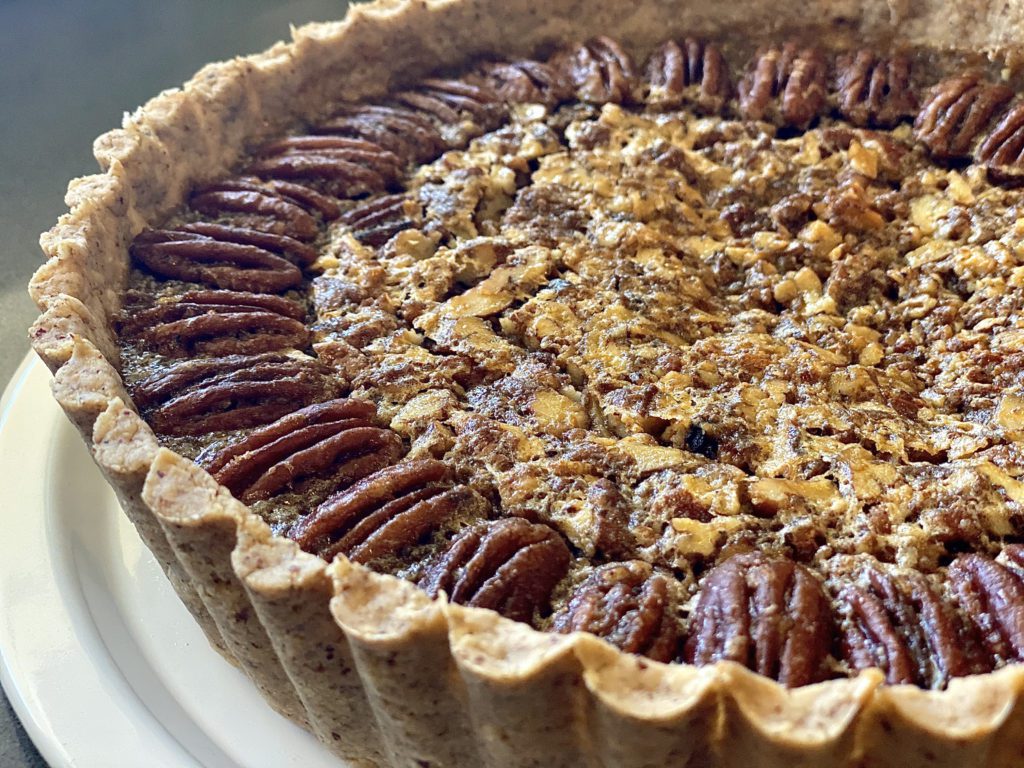
While the other dishes reached cult status thanks to people's love, pecan pie also earned the title of the state's official dessert. Pecan nuts have long been one of the key ingredients in French Louisiana cuisine; it is known that the first pecan pies were baked there. But it was Texas that really helped the pie win the hearts of the entire nation.
By the late 19th century, a pecan pie recipe appeared in a charity cookbook published in Missouri – and it was sent in by a woman from Texas. The basis of the recipe is a mixture of fresh pecan nuts, corn syrup, eggs and sugar; some versions also add bourbon or whiskey, and the top is decorated with shredded coconut or chocolate.
In 2013, the Texas House of Representatives passed a resolution officially declaring pecan pie the state dessert. When at the state level you are essentially told, "You may eat this with a clear conscience", it becomes very hard to refuse an extra slice.
When Defense Is Powerless: How Gastronomy Hits Physical Fitness
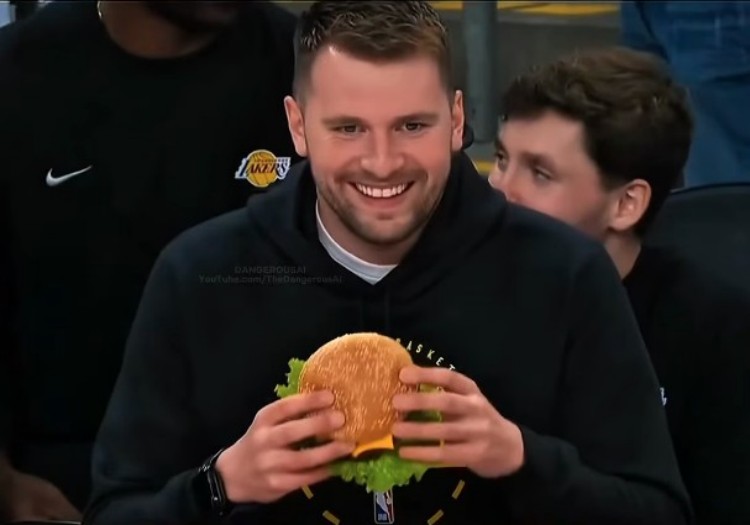
Looking at this entire gastronomic arsenal as a whole, it becomes much easier to understand why discussions about the physical condition of the Dallas players come up so regularly. In a city where a 77-day aged steak is on one corner, legendary tacos on another, and molten brownies and pecan pie on a third, discipline turns into a separate sport in its own right.
For NBA basketball players, this picture means only one thing: if they want to stay in shape, they have to win games every day not only against opponents in the league, but also against the food environment surrounding them. And in Dallas, and in Texas in general, this battle may well be the toughest matchup on their schedule.