
In the Formula 1 World Championship, drivers fight not only for pole positions and podiums but also for a place at the top of the pay table. Forbes's annual ranking shows exactly who turns outright speed on track into record-breaking paychecks. At the end of the 2025 season, the cash race is once again led by the current stars of Red Bull, Ferrari, and McLaren, while the overall amount paid to the leading drivers continues to grow rapidly.
Verstappen Is First Again – Now on the Payroll Too
Red Bull's leader Max Verstappen has topped the list of Formula 1's highest-paid drivers for the fifth year in a row. According to Forbes, his total income for the season amounted to $ 76 million, of which $ 65 million came from base salary and another $ 11 million from performance-related bonuses. The Dutchman dominates not only in the drivers' standings but also in the financial peloton, maintaining the status of the main superstar of modern motorsport.
Hamilton's First Season at Ferrari and the Price of a Legend
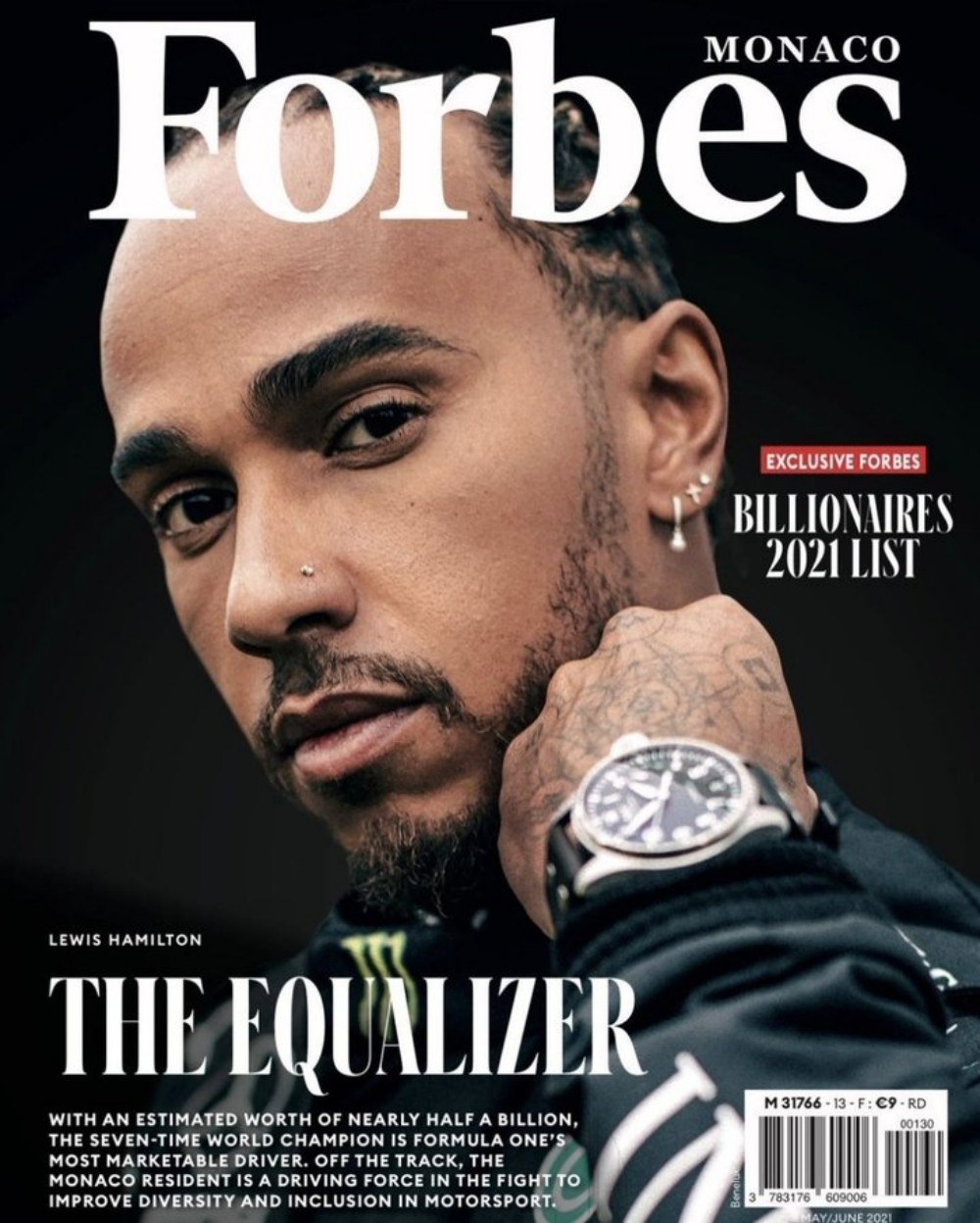
Earning slightly less was seven-time world champion Lewis Hamilton. His first year with Ferrari turned out to be extremely lucrative: $ 70.5 million in total income, with $ 70 million as salary and another $ 0.5 million in bonuses. Even without the title, the Briton remains one of the key figures in the paddock, as teams are ready to pay for his experience, status, and ability to draw attention to the brand.
Norris's Title Breakthrough and McLaren's Rising Price Tag
Freshly crowned champion Lando Norris completed the top three by earning $ 57.5 million. The bulk of that amount – $ 39.5 million – came from bonuses, including $ 10 million written into his contract for winning the title. His McLaren teammate Oscar Piastri also made a significant step up in earnings and took fourth place in the ranking with $ 37.5 million. The success of the orange team translated directly into the drivers' bank accounts, showing how quickly results on track can change the numbers in their contracts.
An Elite Club: Veterans, Stars and Heirs

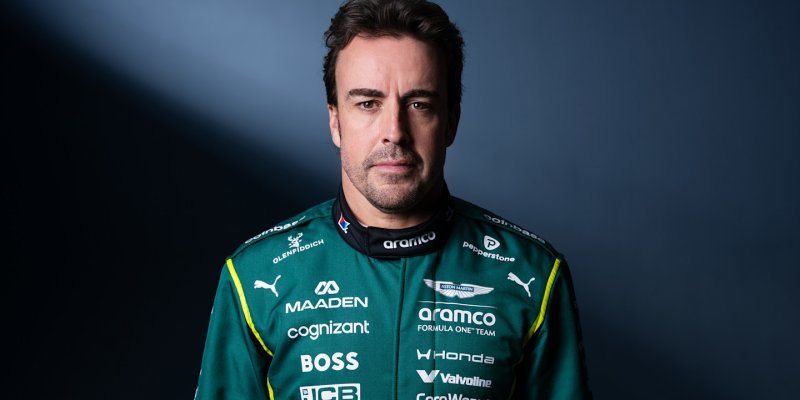
The rest of the list is filled with drivers who have long secured their place among the elite. Fifth place went to Ferrari's Charles Leclerc with $ 30 million. He is followed by Aston Martin veteran Fernando Alonso, whose income reached $ 26.5 million. Mercedes drivers shared the next step: George Russell earned $ 26 million, while new full-time driver Kimi Antonelli received $ 12.5 million. The top 10 also includes Lance Stroll from Aston Martin with $ 13.5 million and Carlos Sainz, who collected $ 13 million after his move to Williams.
According to Forbes, the 10 highest-paid drivers together earned $ 363 million in 2025 — roughly 15% more than the year before. This is a vivid indicator of how growing team budgets and rising championship revenues are reflected in the contracts of the sport's key stars.
Newcomers to the Financial Elite and Those Who Fell Out of the Pack
The movement within the top 10 itself also deserves special attention. For the first time, Lance Stroll and Mercedes rookie Kimi Antonelli entered the ranking. For the Canadian, this confirms that his role in the Aston Martin project goes far beyond simply being the team owner's son. For the young Italian, it is a sign of trust from Mercedes and an advance on the potential he is just beginning to realize in Formula 1.
At the same time, Sergio Perez and Pierre Gasly lost their positions: compared to last season, they have dropped out of the top 10 highest-paid drivers. The change of names in the ranking shows just how dynamic the market is: contracts are renegotiated, line-ups change, and the financial balance of power shifts in line with drivers' results and future prospects.
What Lies Behind the Numbers in the Forbes Ranking
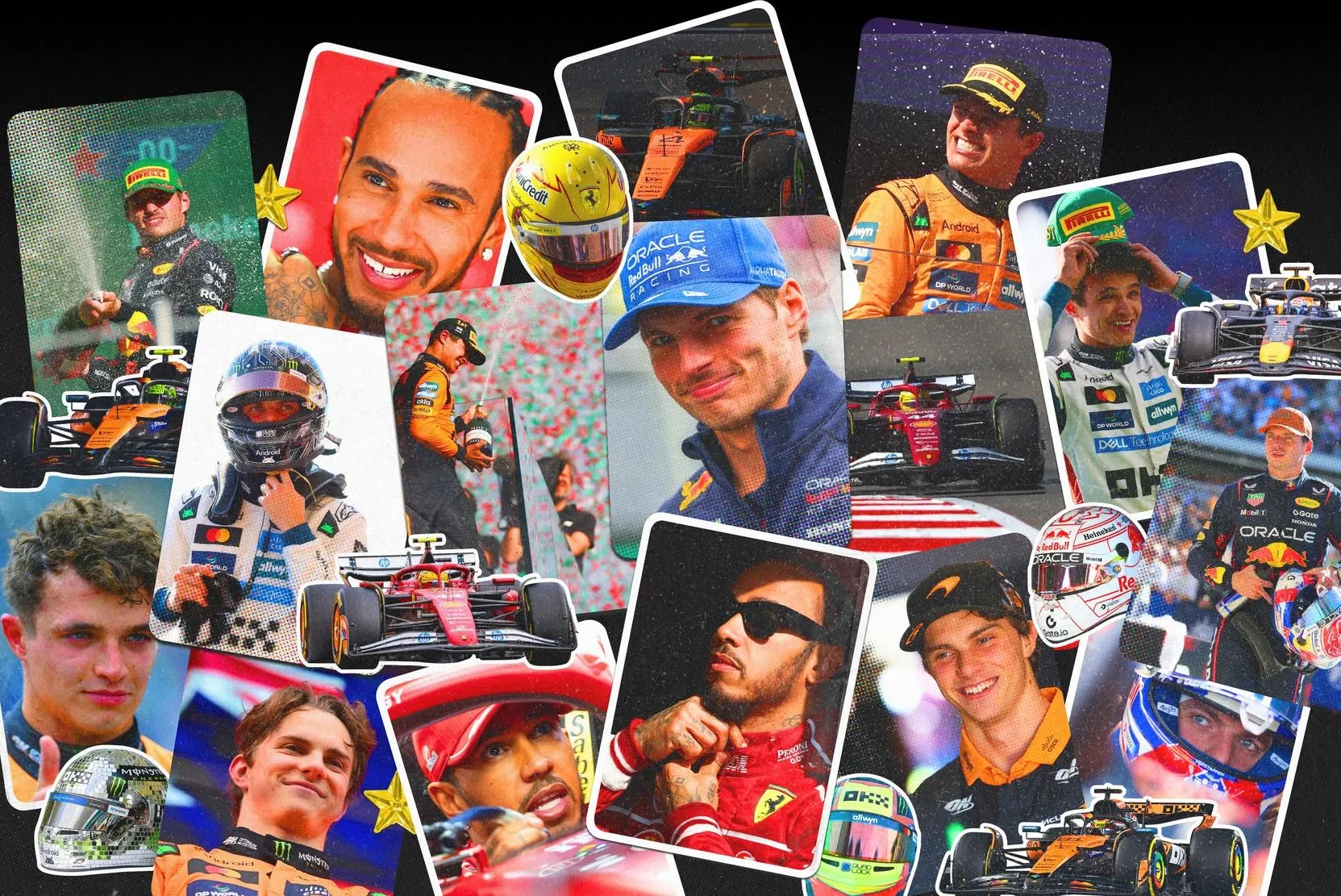
It is important to remember that Forbes considers only the "pure" racing component of income — base salaries and bonuses directly linked to on-track performance. Advertising deals, personal sponsors, and merchandise revenue — which for many Formula 1 stars can match or even exceed their team salaries — are left out of these calculations.
Nevertheless, this ranking best shows how teams assess the drivers' contribution to overall success and how much they are willing to pay for speed, consistency, and the ability to perform under pressure. For the drivers themselves, it is another invisible standings table where victory is measured not in championship points but in the number of zeros in a bank account.