
“A Big Name Doesn’t Guarantee Your Minutes”: A Talk About Risk And Role
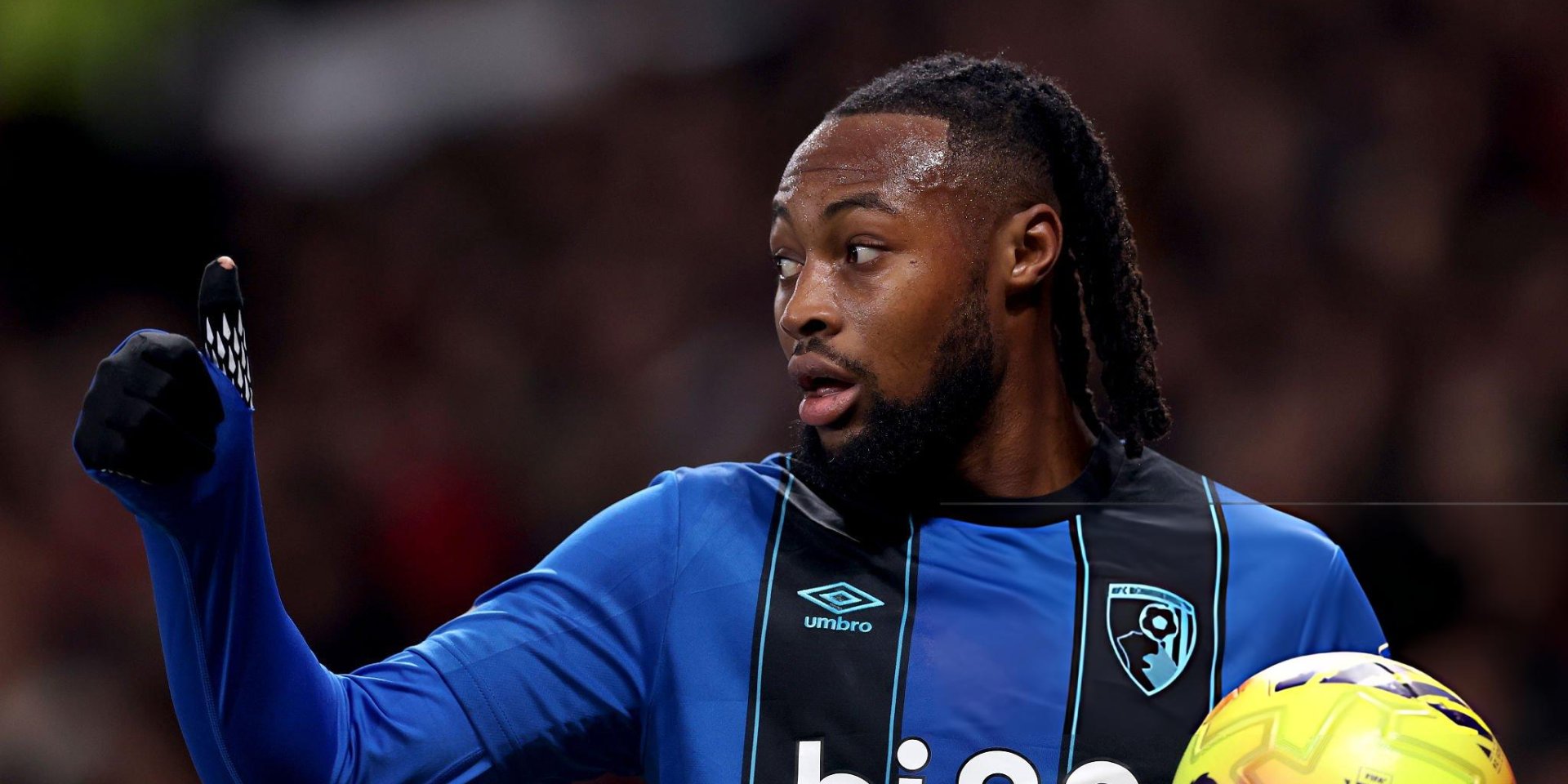
— Paul, the press say Semenyo is leaning towards a move to Manchester City. Is that a logical decision?
— There is logic to it: City are a machine that’s used to winning. But it’s important for the player to understand not only where he’s going, but who he’s going to. A winger isn’t signing for a month. It could be a four-year deal — and a lot can change in that time.
— Do you mean the competition?
— Not just the competition. Competition at City is a constant; you prove every day that you deserve a place in the starting XI. I’m talking about something else: how long will Pep Guardiola stay at Manchester City? Today the system is built around specific principles — ball control, positional attacks, strict roles in the final third. Tomorrow a new coach could come in and decide he doesn’t want Semenyo, or wants him in a different function. And you’ve already signed the contract and are “tied” to the club.
— So the main question is the manager?
— One of the main ones. In Pep’s set-up, every player is a piece of the mechanism. If you fit perfectly, you grow. If you don’t, you can end up on the fringes even if you’re a quality footballer. That’s why Semenyo has to make the decision with a cool head: not “I want to join a trophy club”, but “what role are they ready to give me, and who will be responsible for that role a year from now?”
Trophies As A Magnet: What’s Pulling Semenyo Toward The Citizens?

— But there’s a twist: reports say Semenyo is choosing City despite interest from Manchester United and Liverpool. Why?
— Because of trophies. The winger is in his prime — he’s 25 — and he can see it: in one project you fight for titles and finals, in another you might be rebuilding. Psychologically it’s understandable: footballers want to win here and now, not live on a promise of “someday”.
— Would you support that choice?
— I’ll support any choice if it’s a conscious one. If Antoine understands that at City he’ll have to compete for every minute, and that in big matches the team can change because of tactics rather than form — and he’s ready to accept that challenge, then yes. But if he goes only for medals without thinking about playing time, it can turn into disappointment.
City, United, Liverpool: Different Routes For One Winger
— Let’s break it down. How do the options differ for Semenyo?
— City is maximum structure and maximum demands. It’s not enough to beat a man one-v-one; you have to position yourself correctly, find the right pockets between the lines, time runs in behind, and drift into half-spaces at the right moments. At Manchester United and Liverpool, the context can be different: the winger’s role may be more direct, with an emphasis on pace, verticality, and work in transition phases. The question is where Semenyo will develop faster and shine brighter.
— And what about Bournemouth? Does it make sense for him to stay?
— If we’re talking about development and consistent match minutes — yes. Sometimes one more season at a club where you’re a nailed-on starter and the attack is built around your strengths is more useful than a sudden leap up and then sitting on the bench. But that only works if there’s a clear plan, not just “we’ll see”.
The Chelsea Story: Why The Interest Vanished As Quickly As It Appeared

— Chelsea also came up: it was reported the club asked for information and then pulled out. What does that say about the market?
— It’s typical. Big clubs compile dossiers on dozens of players: they study statistics, build a profile, assess medical risks, estimate adaptation to the league, and weigh the manager’s requirements. Then the internal squad logic kicks in: “we already have players for that position, we believe in the attackers we’ve got.” For Semenyo it’s a signal: interest is not a guarantee. You’re on the list today, off it tomorrow — because priorities, budget, or the coaching request has changed.
The Numbers That Make Top Clubs Move
— Still, why is there so much talk about him right now?
— Because he’s delivering. In the Premier League, 8 goals and 3 assists in 16 matches isn’t just “a good run”; it’s real impact on games. For a winger it’s not only about scoring — it’s about arriving in the box at the right time, finding teammates, and making the right decisions in the final phase of attacks. In the toughest league in the world, those numbers don’t go unnoticed.
“The Right Decision Isn’t A Dream, It’s A Calculation”: Merson’s Parting Message
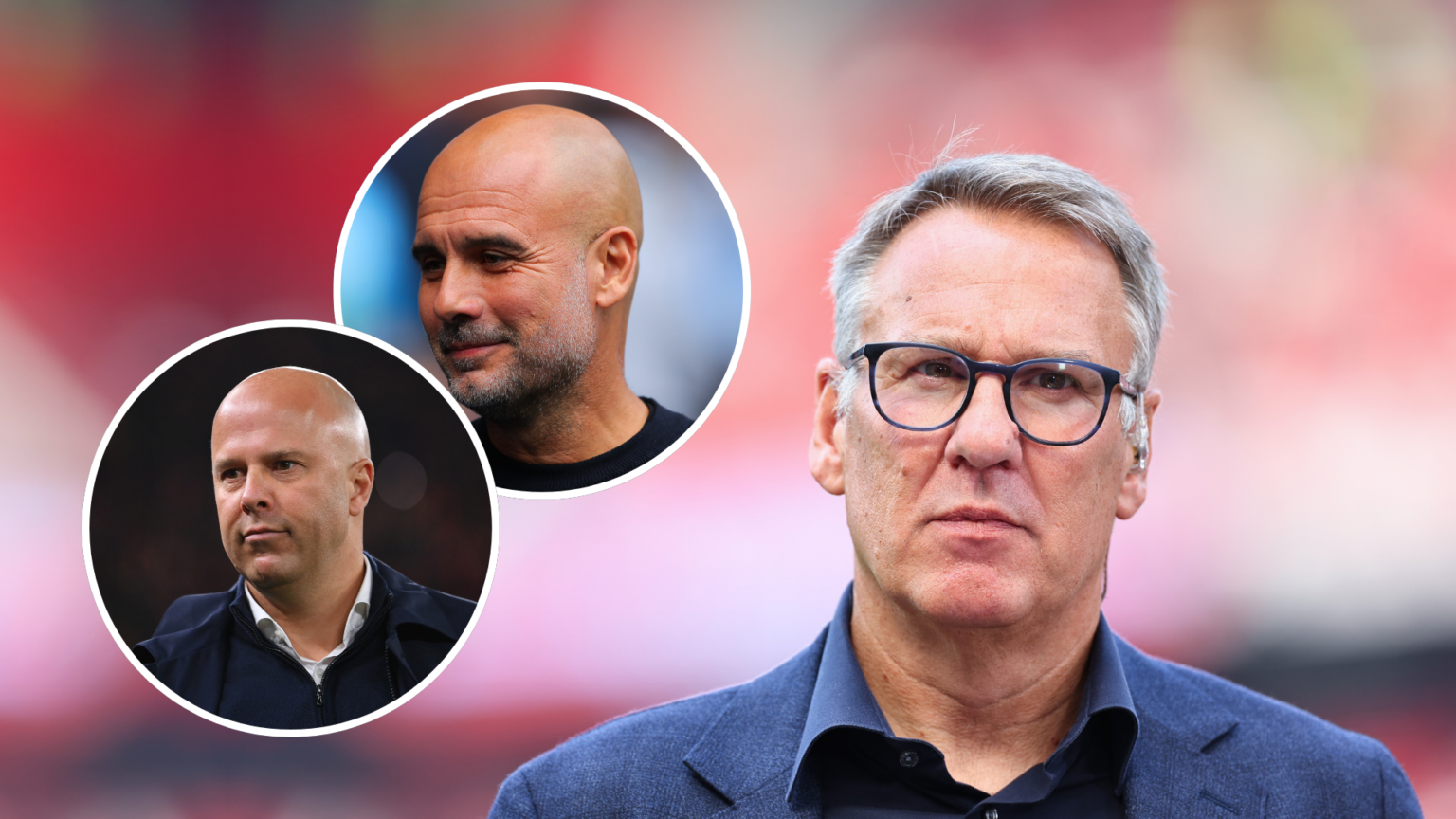
— If you could tell Semenyo one sentence, what would it be?
— “Don’t sign your future on emotion.” He should answer honestly: what matters more to him over the next two years — regular starts and development, or top-level competition for trophies? And second: who will be the manager, and how is the role defined not in interviews, but in reality — in the tactical plan and in the club’s conversation with him? If those answers are clear, then take the step. If not, it’s better to wait and choose the moment that truly works for him.