
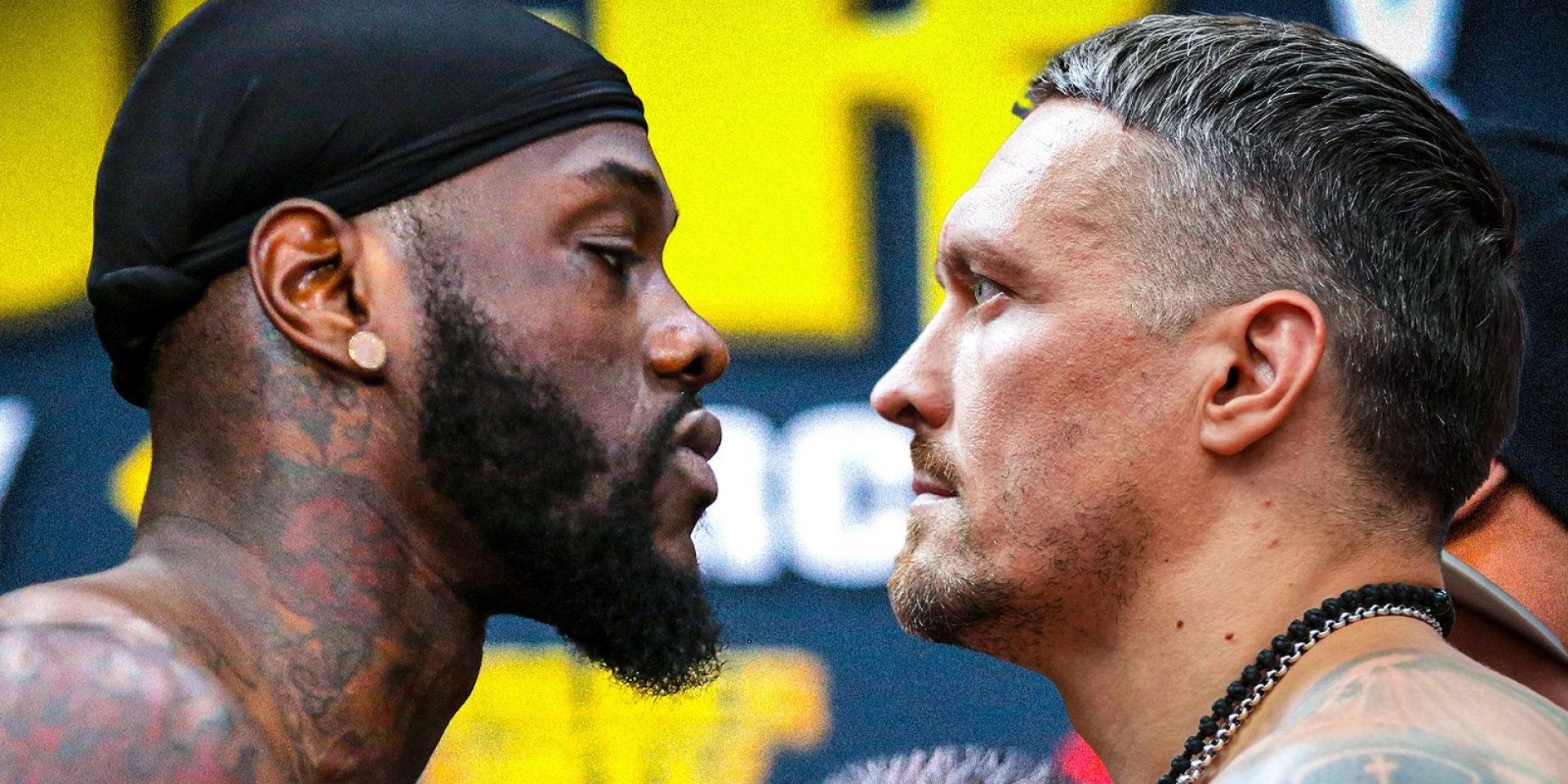
After Oleksandr Usyk climbed to the top of the heavyweight division and collected the belts of the major sanctioning bodies, it seemed that every new ring walk would only strengthen the Ukrainian's legacy. But a prolonged layoff, vacated titles, and his recent statement about wanting to fight an aging Deontay Wilder paint a very different picture. Instead of hunting hungry contenders, Usyk is opting for a loud but no longer truly elite name — a signal that he is on the home stretch of his career and no longer chasing wars with deep sporting meaning.
A Loud Statement: Usyk Sets His Sights on Wilder
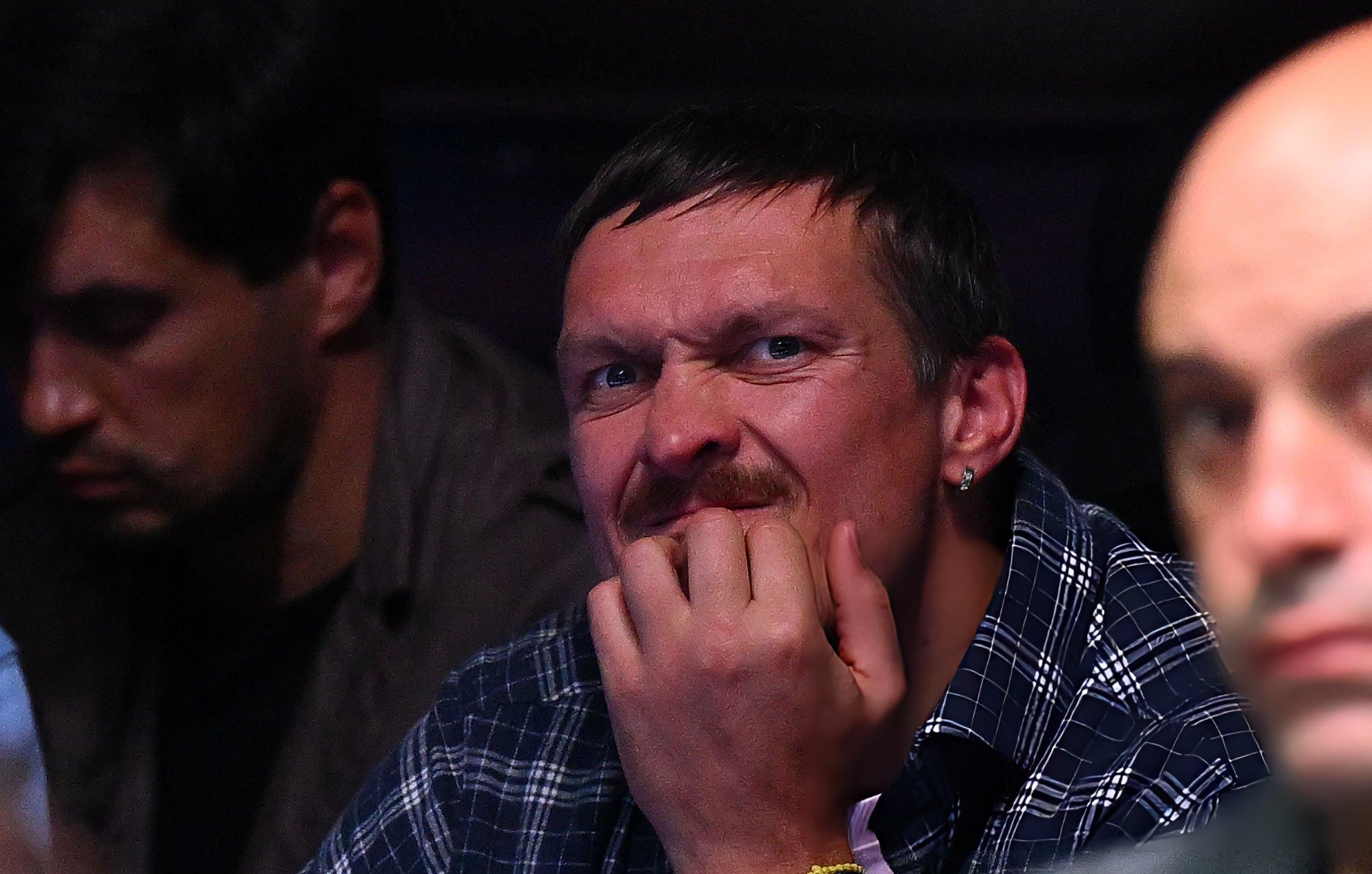
In a recent interview with the YouTube channel Boxing King Media, Oleksandr for the first time in a long while outlined a concrete plan: to return to the ring in 2026 and face Deontay Wilder. He tried to justify his choice of opponent by appealing to his respect for the American.
Usyk stressed that the Bronze Bomber is still an intriguing challenge for him: a former world champion, one of the most recognizable heavyweights of the last decade, and a man with a fearsome knockout reputation. The Ukrainian is almost pre-emptively answering his critics: they can say Wilder "isn't the same anymore", but for him Deontay remains a figure worthy of attention.
On paper, it sounds good. But if you strip away the emotion and look at the landscape soberly, it becomes obvious: in terms of the current hierarchy of the division, this fight means almost nothing.
From Summer Triumph to Deafening Silence
As recently as the summer of 2025, the picture around Usyk looked completely different. Oleksandr once again became the undisputed champion, knocking out Daniel Dubois and regaining the IBF belt he had previously vacated to secure a rematch with Tyson Fury. His victory over the Briton was convincing and seemed a logical springboard toward another major title defense.
But instead of a new mega-fight, a pause began. Usyk cited back problems, requested a postponement of his mandatory WBO defense against interim champion Joseph Parker, and then gave up the title altogether. For several months the Ukrainian said almost nothing about his plans, and the fog around his future only grew thicker. And now his first loud statement is not about a clash with a young wolf, but about a desire to step in with a 40-year-old Wilder.
A Fight for the Name, Not for the Rankings
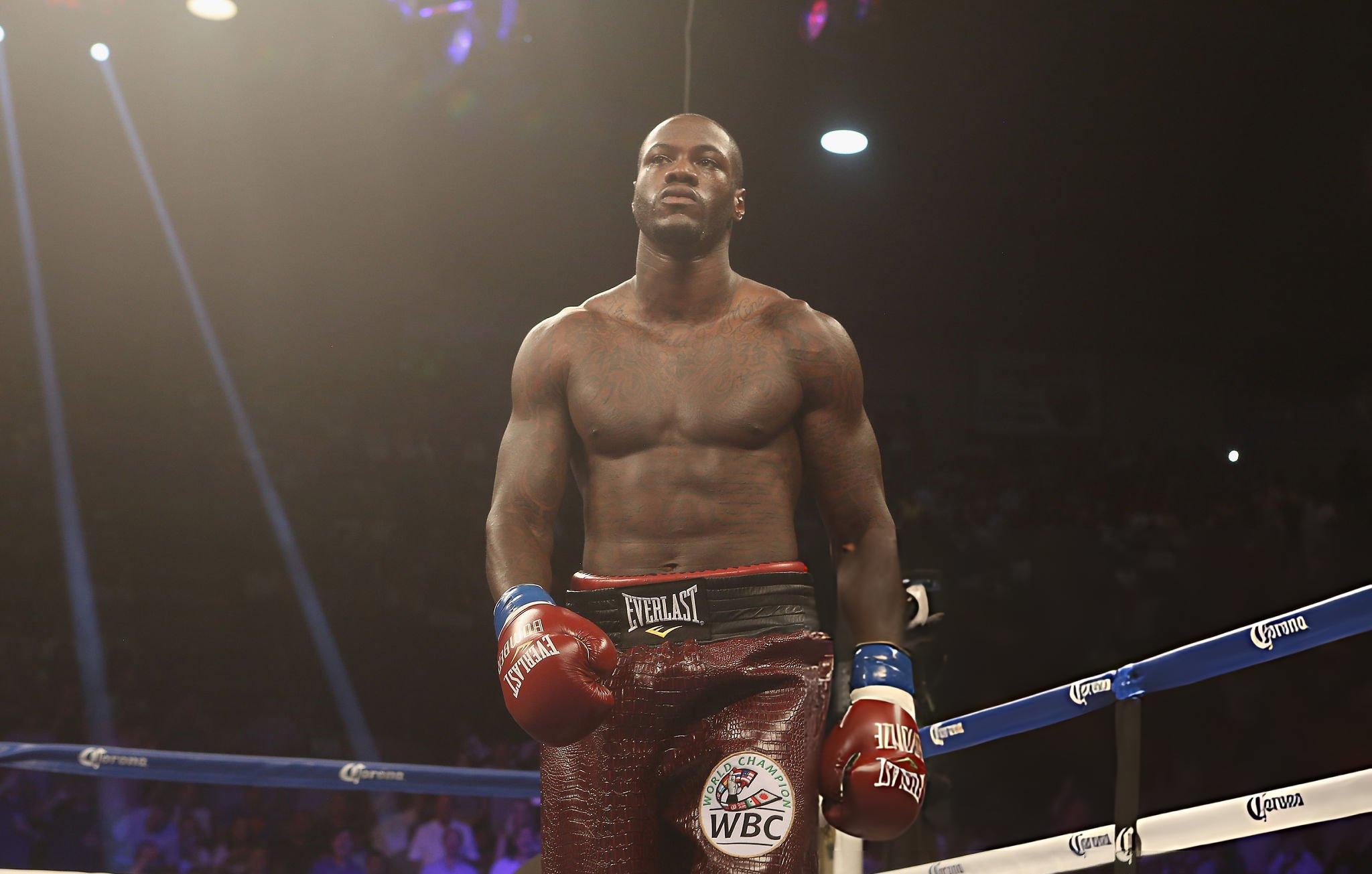
If we were talking about the version of Wilder from 2015–2018, this choice would look perfectly logical. But that Deontay is long gone. Today the American sits only 13th in the WBC rankings and does not crack the top 15 of any other major organization. He has lost four of his last six fights, and his lone win came against the little-known Tyrell Herndon — a result that does nothing to overshadow the rest of his failures.
When the man being lined up to fight a former undisputed champion is a boxer many experts have already consigned to "retirement", a natural question arises: is this really the caliber of opponent befitting a man who held three titles at once? From the standpoint of rankings and sporting intrigue, the answer is clearly no.
Contenders Knocking, But the Door Stays Shut
The paradox of the situation is that there are plenty of genuinely relevant challenges circling Usyk. There is the unbeaten Fabio Wardley, who recently stopped Joseph Parker inside the distance and picked up two interim belts at once. There is the young and audacious Moses Itauma, whom the influential Turki Al ash-Sheikh would like to match with the Ukrainian star. There is also interim WBC champion Agit Kabayel, ready to share the ring with Oleksandr.
All of these names represent the real upper tier of the heavyweight class, and a fight with any one of them would add to Usyk's relevance in a sporting context. But it would also entail serious risks: the young big men are hungry, highly motivated, and prepared to walk through fire to topple a living legend. It seems that the 38-year-old Usyk no longer yearns for those kinds of wars. He looks tired of having to prove something to someone.
Minimal Risk, Maximum Paycheck
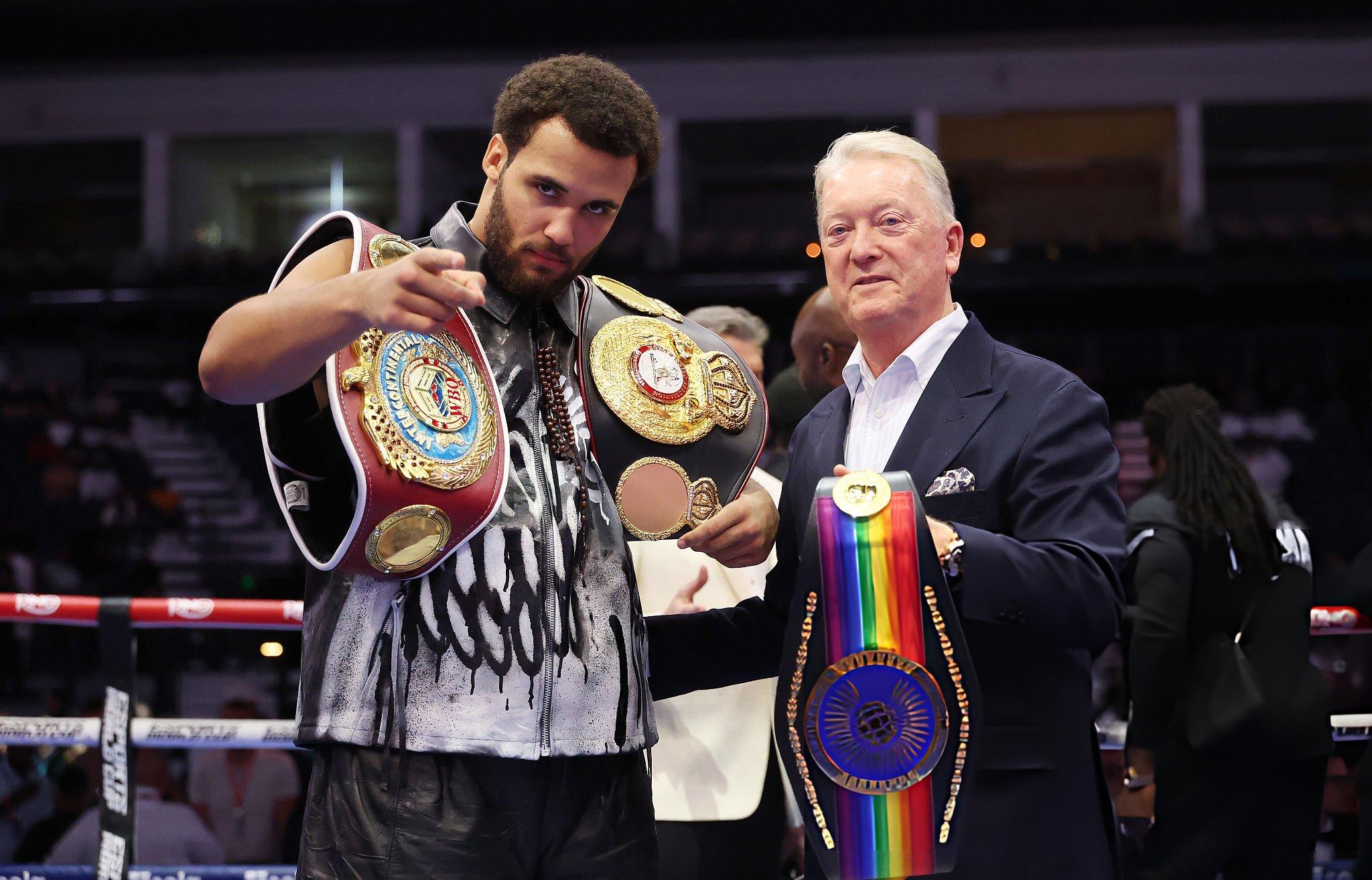
Clashes with Wardley, Itauma or Kabayel are risks taken for questionable reward. Even a victory over any of them would barely alter the perception of Usyk's legacy: "the heavy favorite handled another contender". And the purses for such fights are unlikely to be astronomical — a marquee like "Usyk vs Kabayel" simply doesn't feel like a truly global event.
Wilder is another matter entirely. Here you have a huge name and a marketing campaign that practically writes itself: "two former champions, legends of an era, a duel between a knockout artist and a ring virtuoso." At the same time, the sporting risk is minimal: the 40-year-old American hasn’t shown his old power in a long time, absorbs a lot of punishment and looks worn down both physically and mentally. For Usyk, it is the perfect combination — a big paycheck for limited danger.
The Final Brushstroke on a Collection of Big Names
There is another motive that is easy to guess. For the past decade, the main stars of the heavyweight scene have been Joshua, Fury and Wilder. Usyk has already beaten Anthony Joshua twice and Tyson Fury twice. A win over Deontay would be a neat punctuation mark in his personal collection — completing the "big three" of the so-called royal division.
Wilder's manager Shelly Finkel, in comments to Sky Sports, carefully kept the intrigue alive: he claims they already have plans for next year and would like Usyk to be part of them if the offer is attractive enough. You get the sense that the American's team didn’t really expect this call-out, but they also understand that turning down such a lucrative opportunity would be unwise.
How Fury Broke Wilder's Perfect Record
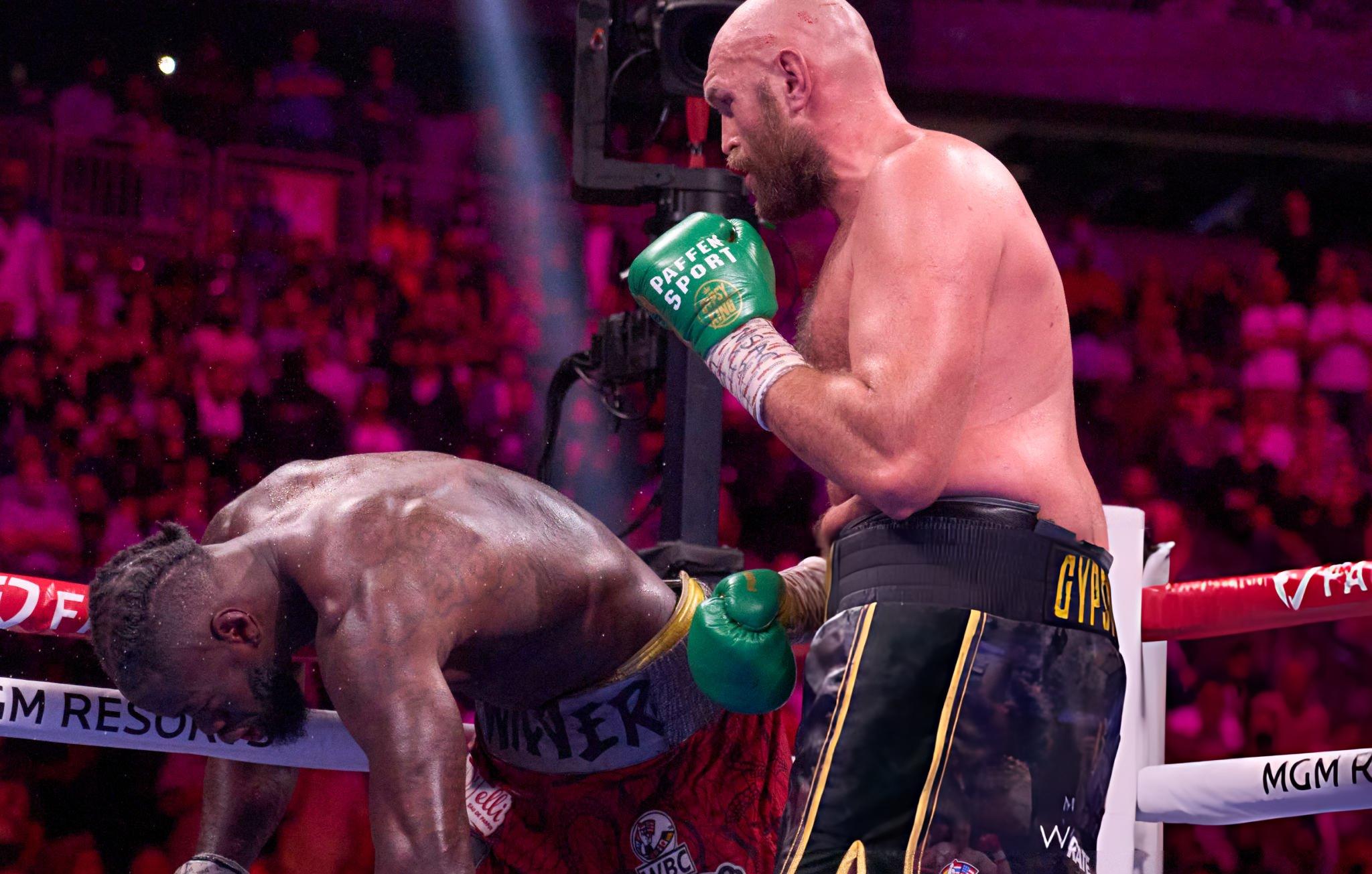
To properly assess the current Wilder, you have to remember who he was before his first fight with Tyson Fury. The American moved through the pro ranks with a 40–0 record, dispatching opponents with authority and being regarded as one of the most destructive punchers in heavyweight history. He was beating solid opposition, entrenched himself near the top of the rankings and looked almost unstoppable.
The turning point was the first meeting with the Gypsy King. Deontay shone that night: he dominated in stretches, dropped Fury twice, but couldn’t finish the job. The judges ultimately ruled it a draw, a result that hit the Bronze Bomber's ego hard. He won his next two fights, but then a nightmarish stretch of his career began.
A Dark Stretch: Knockouts, Defeats and a Single Glimmer
Wilder's last five outings have turned into a chain of crashes. Four defeats, three of them brutal knockouts. His only victory came in a quick demolition of Robert Helenius, who is not considered part of the division's elite. The fights with Fury (twice), Joseph Parker and Zhilei Zhang each ended in bitter disappointment for the American.
It is no surprise that many have started saying Wilder is "finished" as a world-class fighter and should hang up the gloves. But Deontay himself has no intention of surrendering: he still steps into the ring roughly once a year and openly declares his ambition to become a world champion again despite being on the verge of 40.
A Queue of Suitors and Ngannou's Gamble
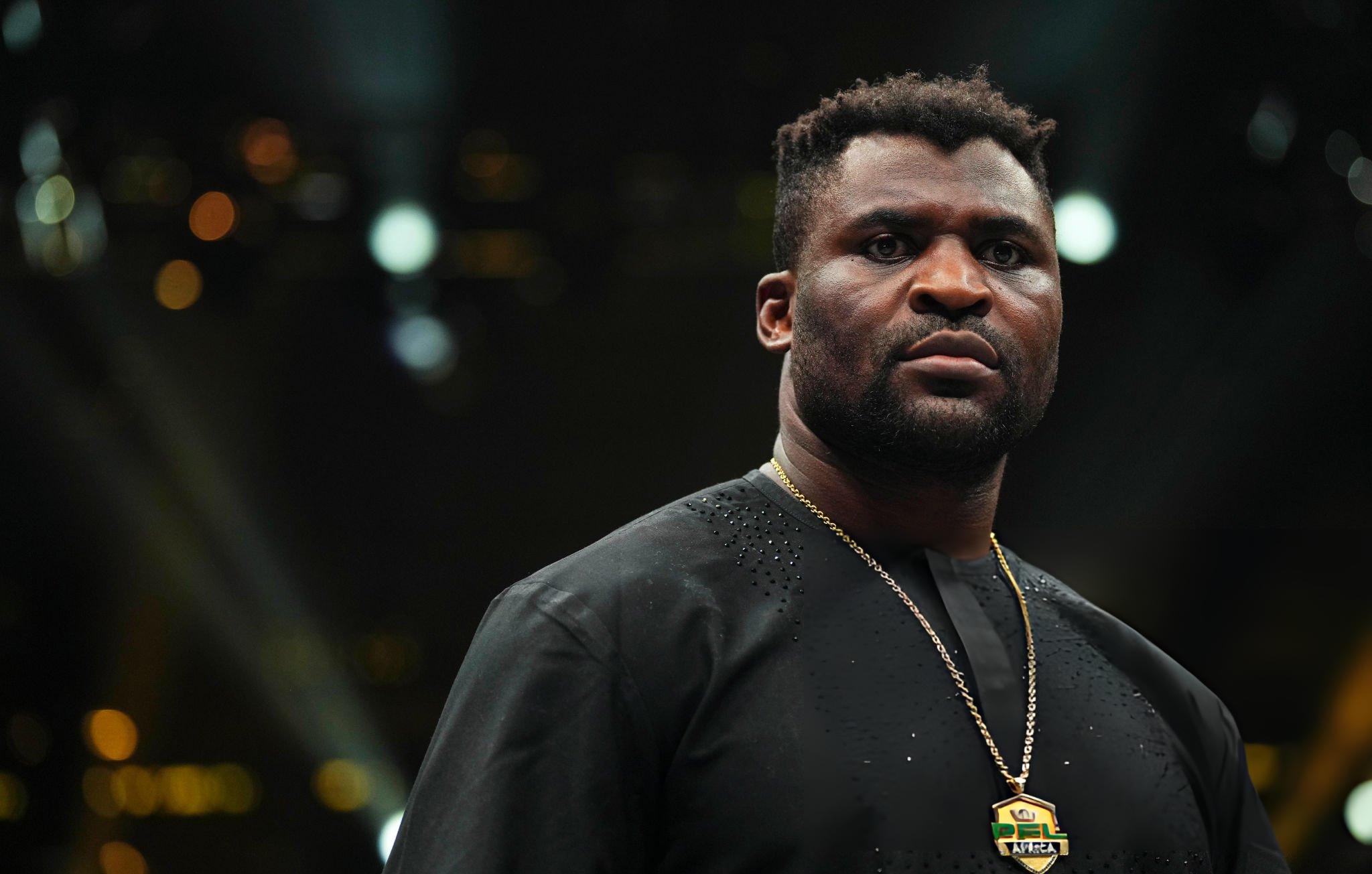
Even this diminished, far-from-prime version of Wilder is not lacking in suitors willing to share the ring with him. Names such as Dillian Whyte and Anthony Joshua appear on the list of possible opponents, and standing apart among them is Francis Ngannou. The Cameroonian knockout artist, who has already tested himself in professional boxing, openly says that he wants his next fight to take place in the ring, not in the cage.
Ngannou emphasizes that boxing is now more understandable and more comfortable for him than MMA, and a bout with Wilder would be both a dangerous test and a spectacular show. Two huge punchers with sky-high stoppage rates almost guarantee a knockout. Francis himself estimates the chances of someone hitting the canvas at 80 percent, and that matches perfectly with the audience's appetite for fireworks.
The Perfect 'Comeback Opponent' for Ngannou and a Comfortable Option for Usyk
The huge interest in a potential Wilder–Ngannou fight stems precisely from the fact that both men possess devastating punching power. But it is also important to note that the "dynamite" in the Cameroonian's fists hasn't gone anywhere, whereas Deontay has clearly slipped. For Francis, Wilder is the ideal opponent for a comeback: a hefty payday, a well-marketed name and a threat that is no longer as frightening as it once was.
For Usyk the logic is similar, even if the motivation is different. The Ukrainian does not need to prove that he can knock someone out — his strengths lie elsewhere. But a fight with an aging Wilder gives him the chance to stage a lucrative, crowd-pleasing night with minimal risk of disaster. A showdown with the young heavyweights, by contrast, carries the danger of spoiling an otherwise flawless final act of his career.
Between Legacy and Comfort: Which Way Will Usyk Turn?
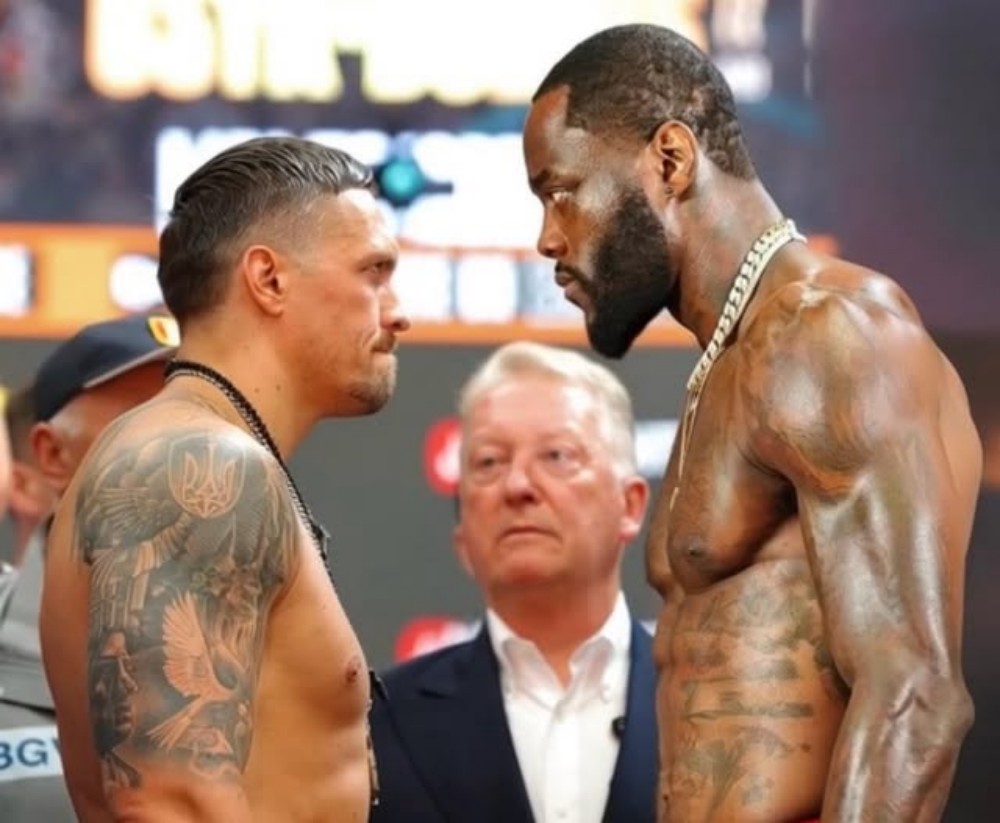
From a fan's perspective, Usyk vs Wilder will be compelling regardless: two big names, contrasting styles, and a storyline in which a champion who has completed his era meets a knockout artist unwilling to accept his own decline. But in terms of the division's development and sporting logic, it is a step sideways, not forward.
Oleksandr is standing at a crossroads: either he accepts the challenges from the new wave of heavyweights and proves once more that he is the best of the best, or he chooses a safer but more lucrative route and ends his career on a beautiful, yet largely symbolic, note. Judging by his decision to pursue Wilder, Usyk has already placed his bet on comfort and a big payday. The only question is whether this "easy road" might unexpectedly turn into a brutally hard final round of his great career.