
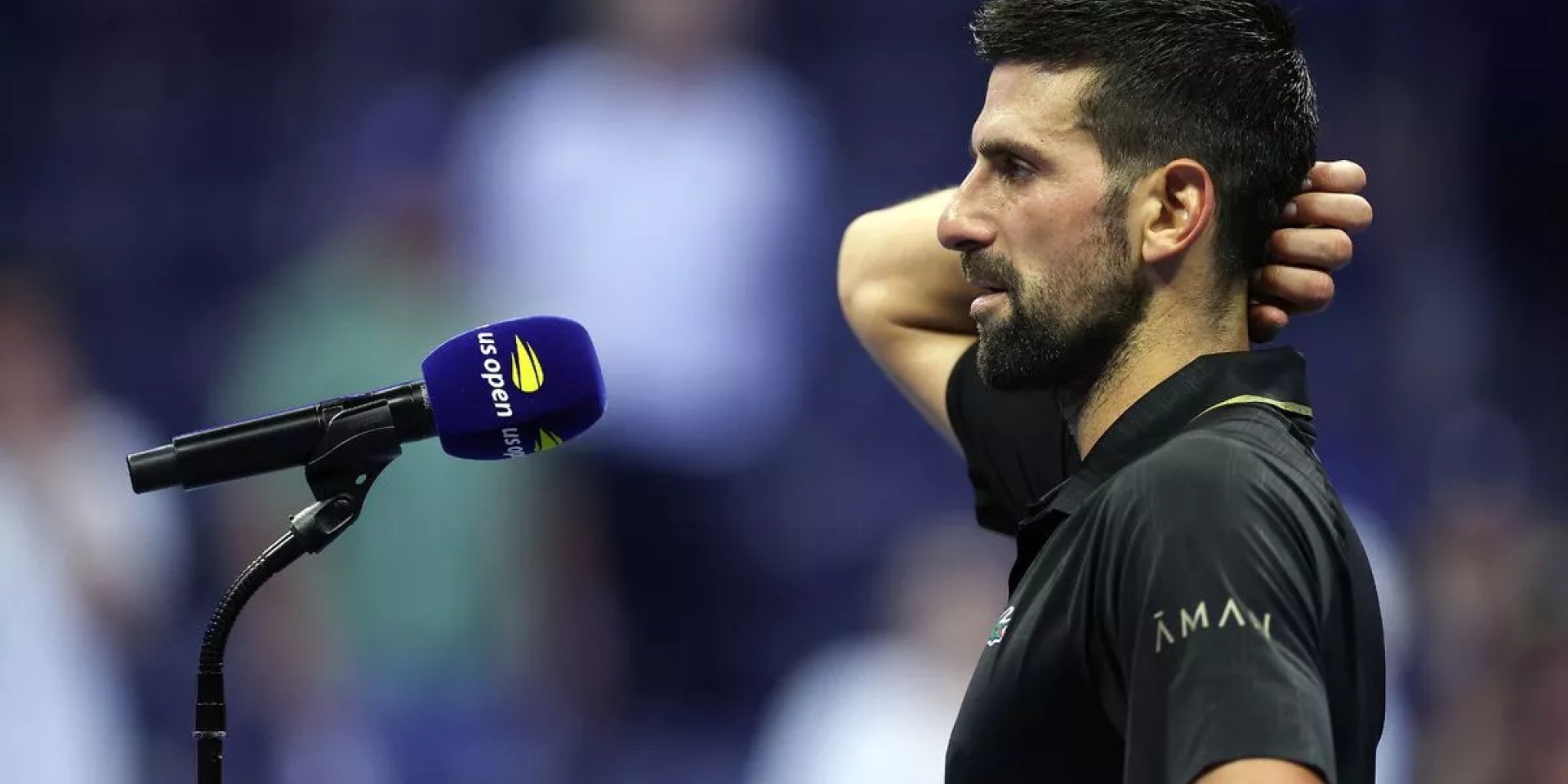
For many years, Novak Djokovic was a living symbol of Serbia — an athlete who raised the national flag on courts all over the world and, in every interview, emphasized his bond with his homeland. He has often recalled how painfully he experienced the bombing of Belgrade in the 1990s and said that his victories are a way to remind the world of what Serbia went through. All the more surprising, then, was the news that the tennis legend no longer lives in Belgrade, but trains and raises his children in Athens. To understand how the nation's idol ended up outside the country, we have to go back a few years.
National Hero Who Never Forgot Serbia
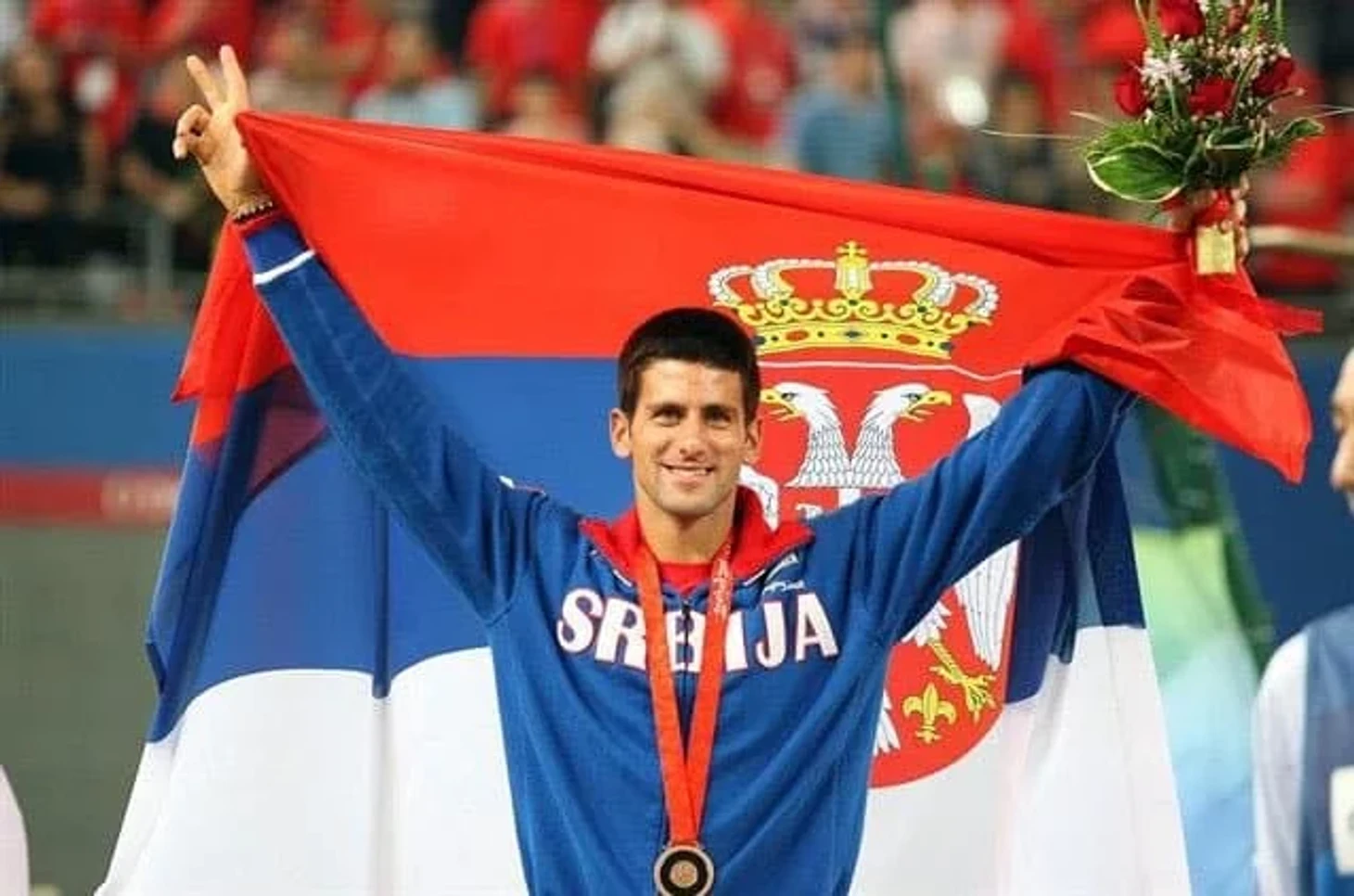
For Serbs, Djokovic is a figure on the scale of Nikola Tesla; his name is automatically associated with Serbia, even when the topic is tennis records and Grand Slams. In one American television interview, Novak candidly admitted that when he lifts trophies he is thinking not only about himself, but also about the way the West treated his country at the end of the 20th century.
Every major tournament he won was for him not just another line in the statistics, but a small personal remark addressed to those who once made the decision to bomb Belgrade.
A Collapsing Station and the Spark of a Student Uprising
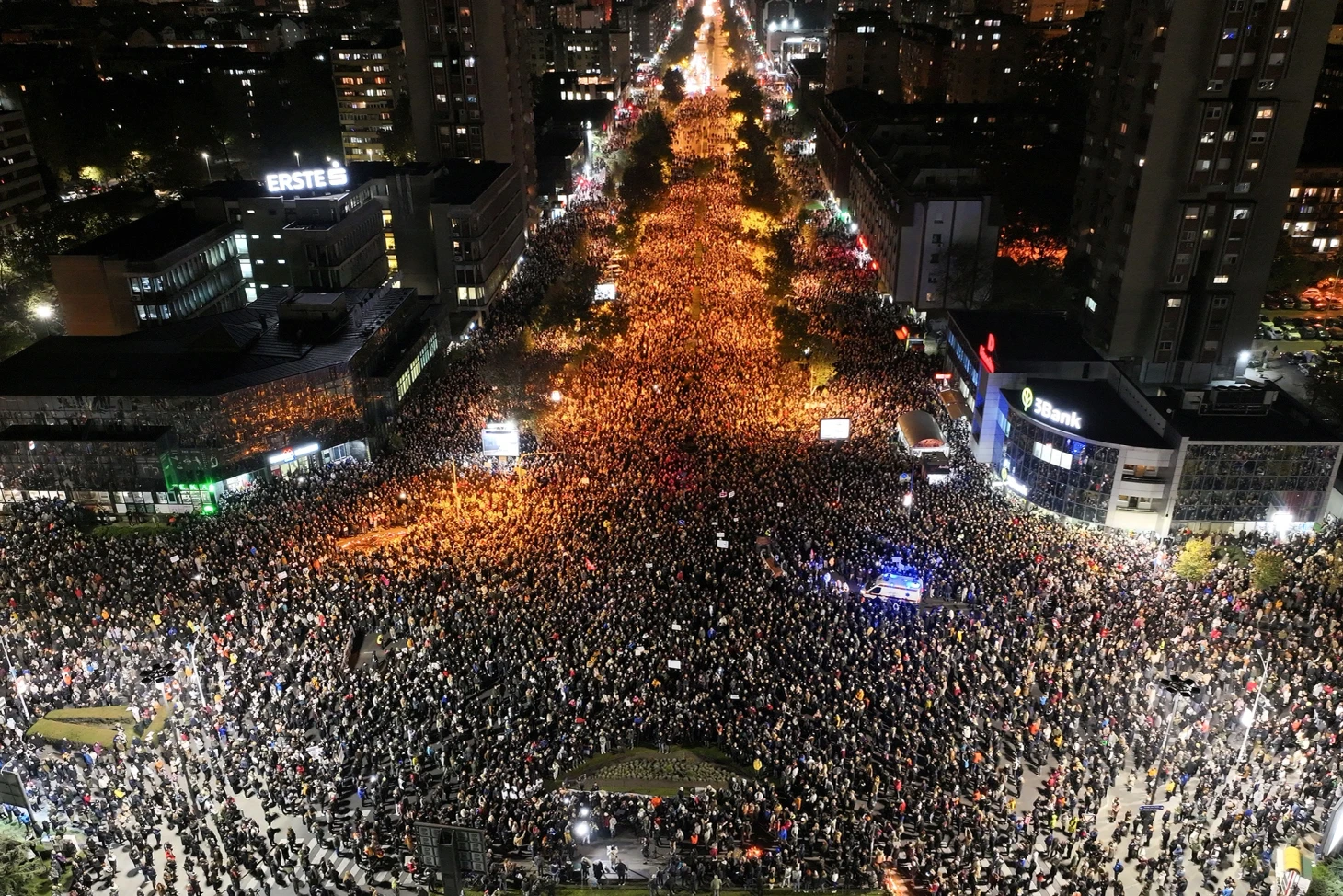
The starting point of this story is 1 November of last year. In the center of Novi Sad, Serbia's second-largest city, the concrete canopy of the newly renovated railway station suddenly collapsed. The reconstruction of the facility had been carried out by Chinese contractors as part of a large-scale infrastructure project linked to the "One Belt, One Road" initiative.
The tragedy claimed the lives of 15 people on the spot, with another victim dying later from his injuries. Almost immediately, students and civil activists accused the authorities of corruption, negligence and trying to cover up the facts about the shoddy construction.
By December, the protests had already spread throughout the country. Students blocked university faculties, demanding that the reconstruction documents be made public, that specific officials be held accountable and that censorship in state media be ended. By March 2025, this wave of civil disobedience had become the largest since the overthrow of Slobodan Milosevic in 2000.
When a Global Tennis Star Says 'I'm With You'
Novak did not remain a passive bystander. On 18 December he posted an appeal to the protesting youth on X (formerly Twitter), stressing that he believes in the power of educated young people, in their aspiration for a better future and in the importance of their voices being heard. He ended the message with the words "With you, Novak," clearly stating his position.
According to independent Serbian media, pro-government outlets received an informal order to ignore Djokovic's statement. For several days, the country's largest TV channels behaved as if nothing had happened. When the state broadcaster RTS was finally forced to mention the tennis player's words in its evening news, the key notions of "understanding" and "respect" had been removed from the quote.
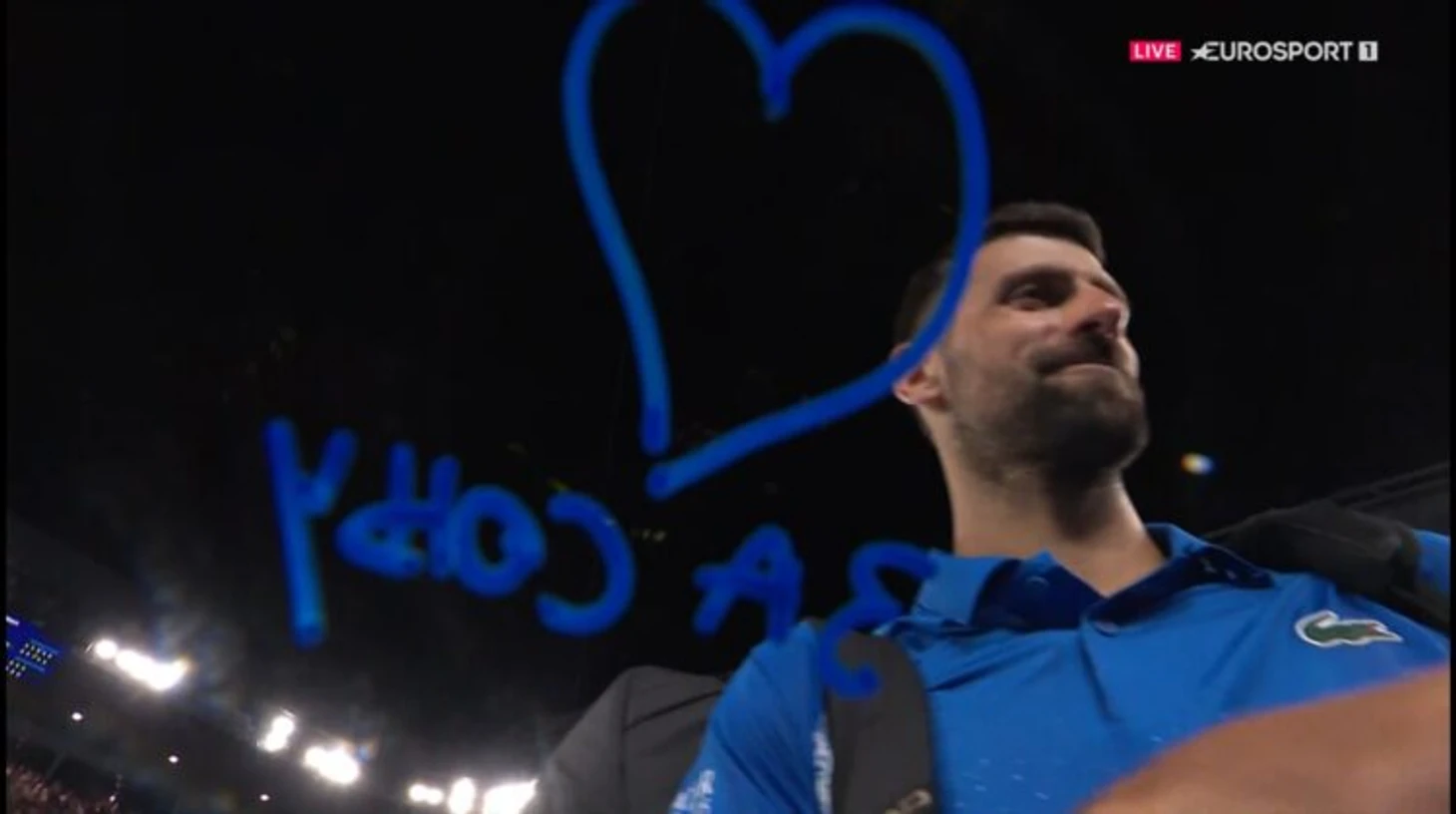
In January 2025, at the Australian Open, Novak made another gesture of support. After his victory over Tomas Machac, he wrote "For Sonja" on the camera lens in memory of 20-year-old student Sonja Pojnovic, who had been killed by a car during a protest on Roosevelt Street in Belgrade. At the press conference, Djokovic explained that he could not simply shut his eyes to what was happening and that all his sympathies lay with the youth and the students. Once again, he said out loud that he wanted his children to grow up in Serbia.
On 31 January, appearing in the stands at the basketball derby between Crvena Zvezda and Partizan, Novak wore a hoodie bearing the slogan "Studenti su šampioni" ("Students are champions"). And on 15 March, when the "15 for 15" rally brought more than 300,000 people onto the streets of Belgrade, he posted photos of the huge crowd with the caption "Istorija, veličanstveno" ("History, magnificent").
From Model Patriot to 'Threat to the Regime'
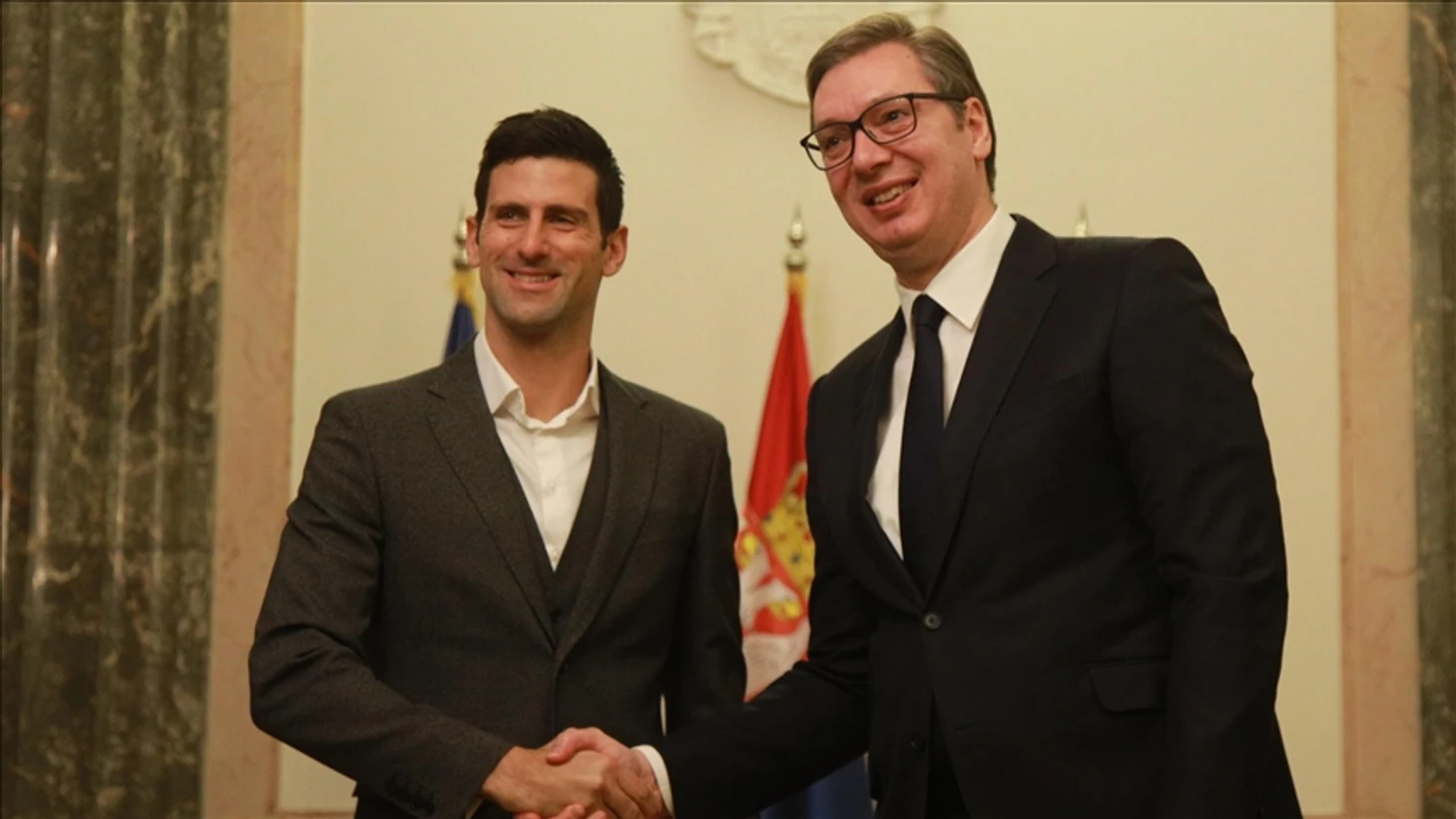
The response did not take long. Informer, a pro-government tabloid long regarded as a mouthpiece for President Aleksandar Vucic's administration, launched a full-scale attack on Djokovic. The paper called him a disgrace and, along with his wife, accused him of supporting a "color revolution" supposedly financed by the West. Headlines compared the protesters to the Ustashas, Croatian fascists from the Second World War – one of the harshest analogies in Serbian public discourse. Albin Kurti, the current prime minister of Kosovo, formerly a student leader and political prisoner, was also invoked.
The contrast with the recent past was striking. Just a few months earlier, in the summer of 2024, after Djokovic had won Olympic gold in Paris, Vucic had hailed him as an example of unbending patriotism and even announced plans to build a museum in his honor. He had also loudly defended Novak when the player was deported from Australia in 2022 over his refusal to be vaccinated against COVID-19, claiming that a "witch hunt" had been launched against him.
By the spring of 2025, the tone had changed completely. The NovaRS portal published an analytical piece on how a man who for years had been treated as a national sacred relic suddenly found himself cast as an "enemy of the state." Journalists quite reasonably asked whether it was really possible, in good faith, to call a disgrace the athlete who had spent decades improving Serbia's image around the globe.
Vucic, for his part, seemed to be making a special effort not to utter Djokovic's name. According to the same NovaRS, during a meeting with children in a park, he read out a letter from a boy who had written about both Novak and basketball player Nikola Jokic. When reading it aloud, however, the president deliberately skipped the sentence mentioning the tennis player and voiced only the part about Jokic. Later, in another interview with Informer, he lumped Djokovic together with "athletes who are always against us."
Later, Vucic tried to soften his rhetoric, saying that he would "never say a bad word about him" and acknowledging that the tennis star had left "for political reasons." That did little to change the picture, though: the smear machine was already in motion.
Smears in the Media and Virtual 'Bot Attacks'
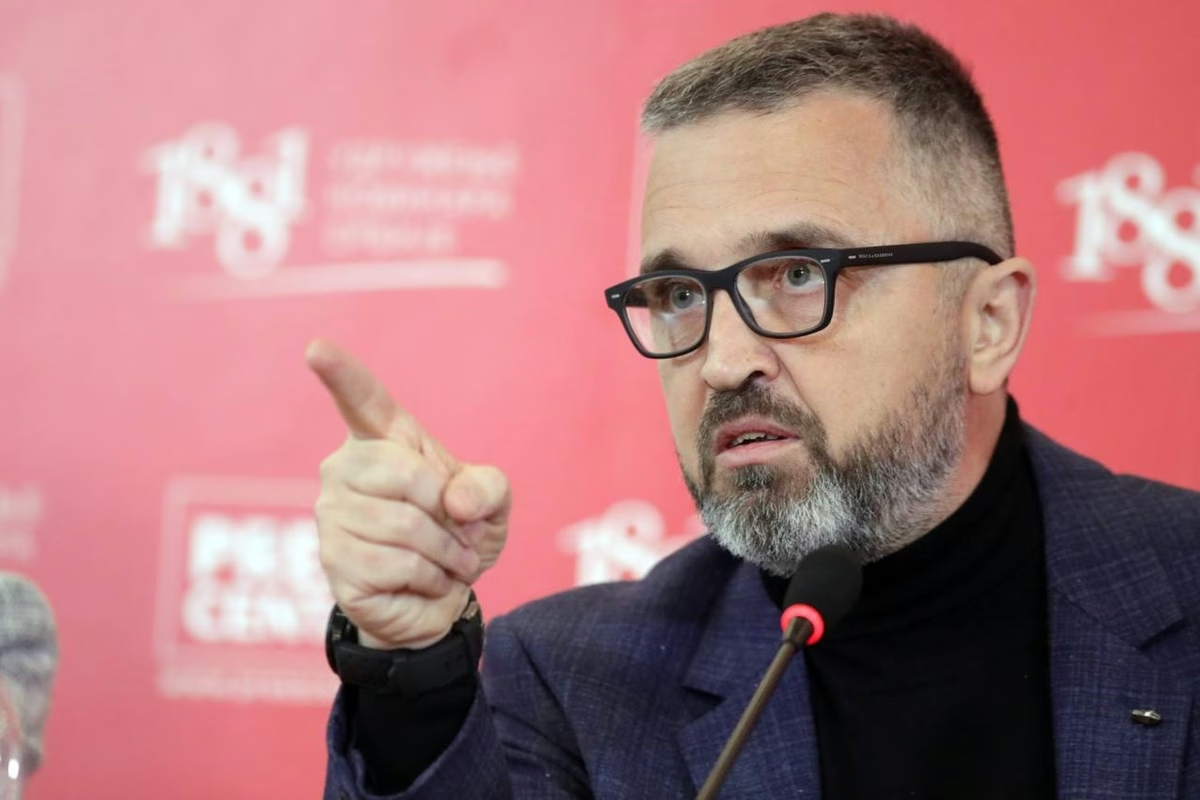
According to independent journalists, the campaign against the Djokovic family was coordinated by Dragan Vucicevic, editor-in-chief of Informer TV, who is considered one of the president's closest media allies. The tabloid attributed presidential ambitions to Novak in the 2027 elections and portrayed him as virtually the natural leader of the opposition.
Anonymous accounts and bots suddenly became much more active on social networks, spreading doctored images showing Djokovic allegedly receiving money from USAID against a background of Croatian, British and Albanian flags. For part of the audience, this was meant to signal that the tennis player had "sold out" to foreign enemies.
Athens Instead of Belgrade: A New Life and a New Center of Gravity
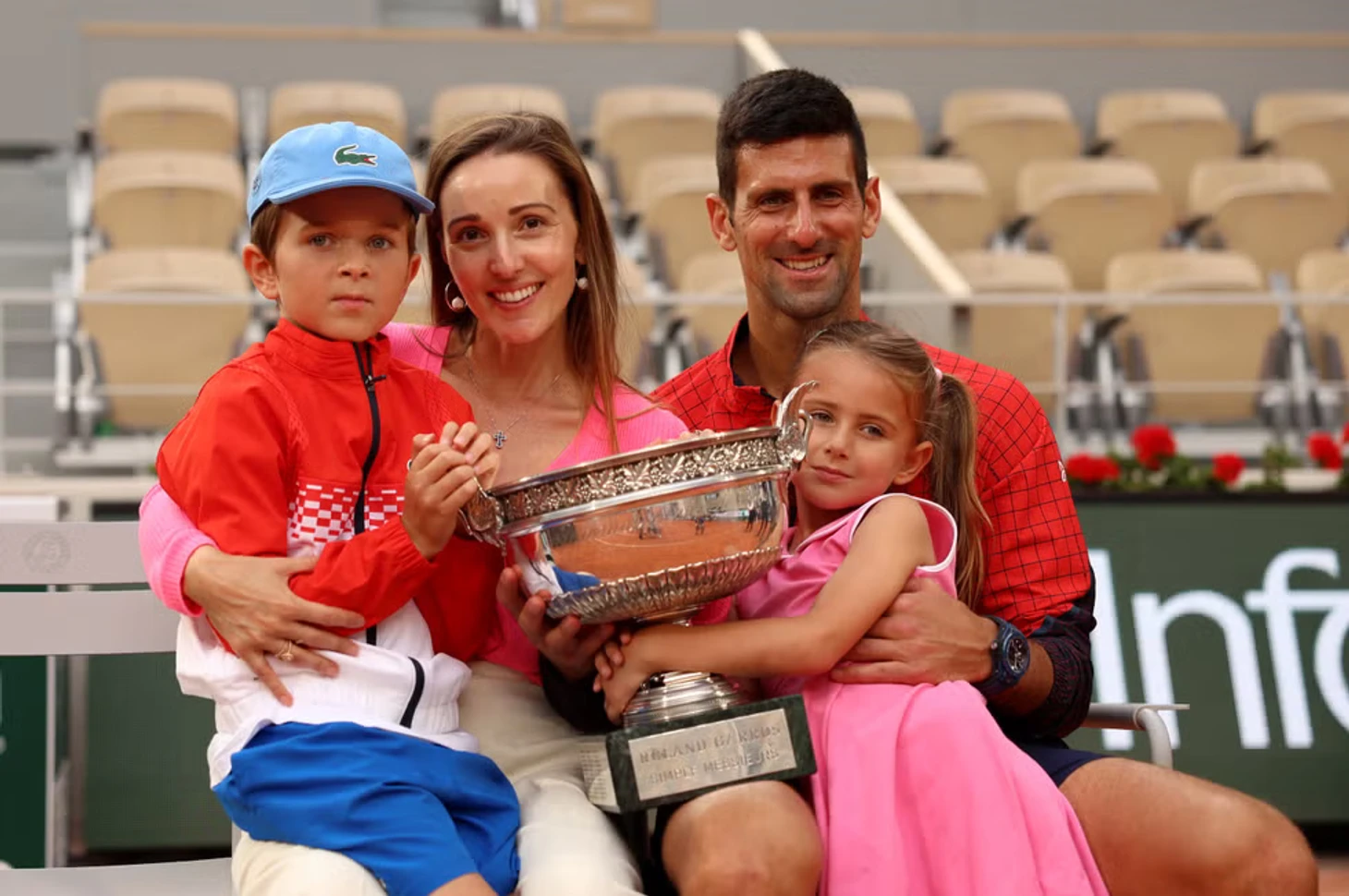
In the autumn of 2025, numerous Serbian outlets, citing the Greek tabloid Proto Thema and the British newspaper the Mirror, reported that the Djokovic family had now firmly settled in Greece. According to those reports, Novak had bought property in Glyfada, a prestigious seaside district in the south of Athens.
His children, 11-year-old Stefan and 8-year-old Tara, started the new school year at a British private school in Athens. Novak himself trains at a local tennis club not far from his home and is considering joining it as a full member. In parallel, the creation of a signature Djokovic tennis academy in the Greek capital is being discussed.
The Tournament Changes Address as Well

A symbolic step highlighting the scale of the changes was the relocation of the Belgrade Open, an ATP 250 tournament owned by the Djokovic family, from Belgrade to Athens. The event has been renamed the Hellenic Championship and is scheduled to take place from 2 to 8 November 2025 in the indoor arena of the OAKA complex.
In the summer of 2025, Novak met twice with Greek prime minister Kyriakos Mitsotakis: first in Athens and then on the island of Tinos. Greek and international media report that the tennis player is planning to take advantage of the "golden visa" program, which grants permanent residency in exchange for substantial investment.
On 16 September, Djokovic was spotted in the stands at the Davis Cup tie between Greece and Brazil at OAKA stadium in Athens. Stefanos Tsitsipas, the leader of the Greek team, welcomed his colleague's move, saying, "I hope we can be neighbors and train together."
Not Only Novak: Who Else Came Under Fire
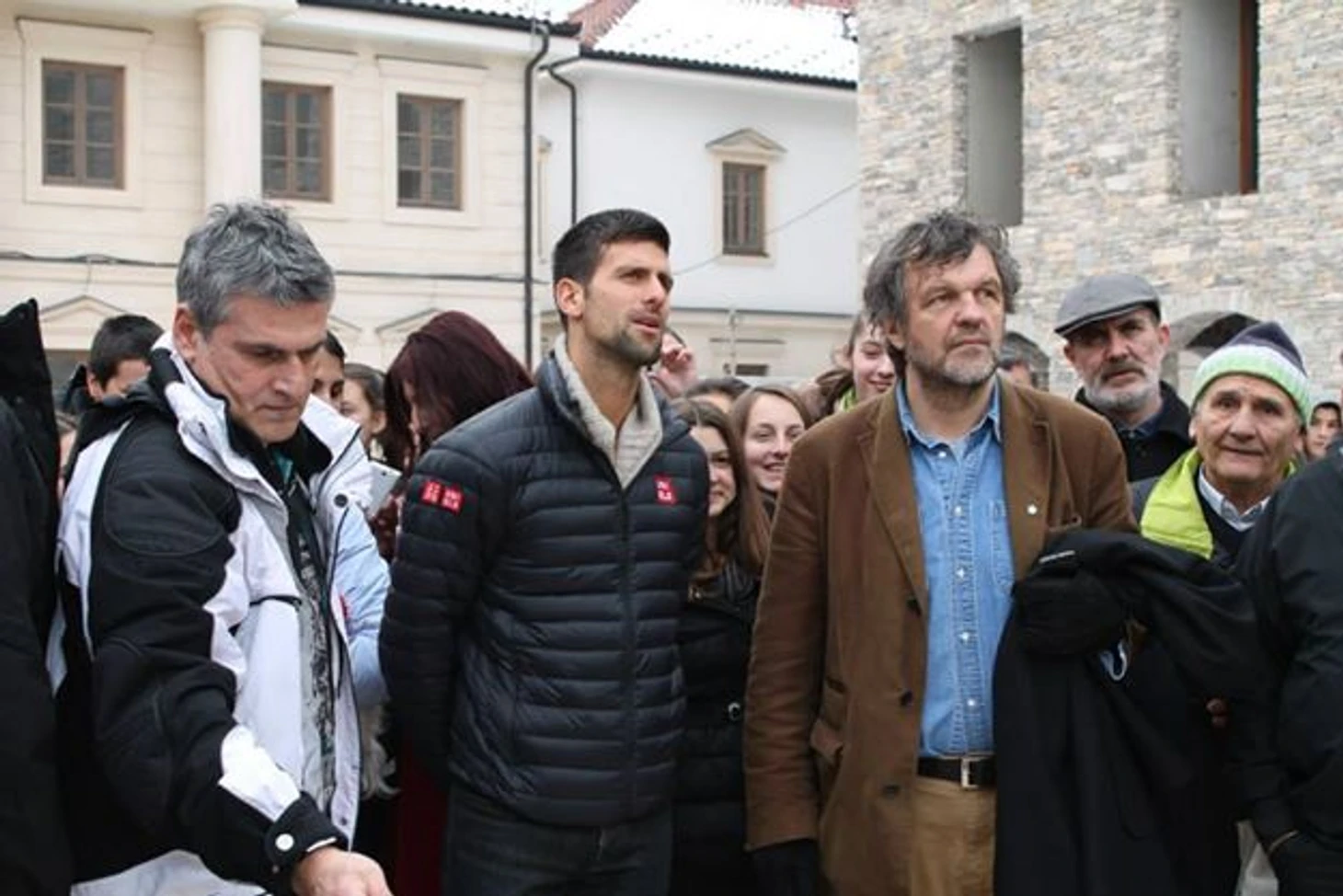
Djokovic's story is not an isolated case. The authorities and the media loyal to them have also attacked other prominent Serbs who supported the student protests. Among them are world-famous film director Emir Kusturica, basketball legends Vlade Divac and Dejan Bodiroga, NBA player Bogdan Bogdanovic and Olympic long jump champion Ivana Spanovic.
The opposition Freedom and Justice Party (SSP) issued a tough statement after Informer's attacks on 17 March 2025. Party representatives are convinced that any insult directed at Djokovic appears in the tabloid only with Vucic's personal approval, since the editorial office does not publish anything important without prior clearance. In their view, Novak and his family became a convenient target for crude propaganda solely because he supported the students.
For many years, Djokovic has insisted that he remains outside party politics, but that he is willing to use his influence when issues he considers fundamentally important are at stake. In 2023, at Roland-Garros, he had already sparked an international outcry by writing "Kosovo is the heart of Serbia" on a TV camera.
Between His Homeland and the Greek Coast: A Point of No Return or Just a Pause?
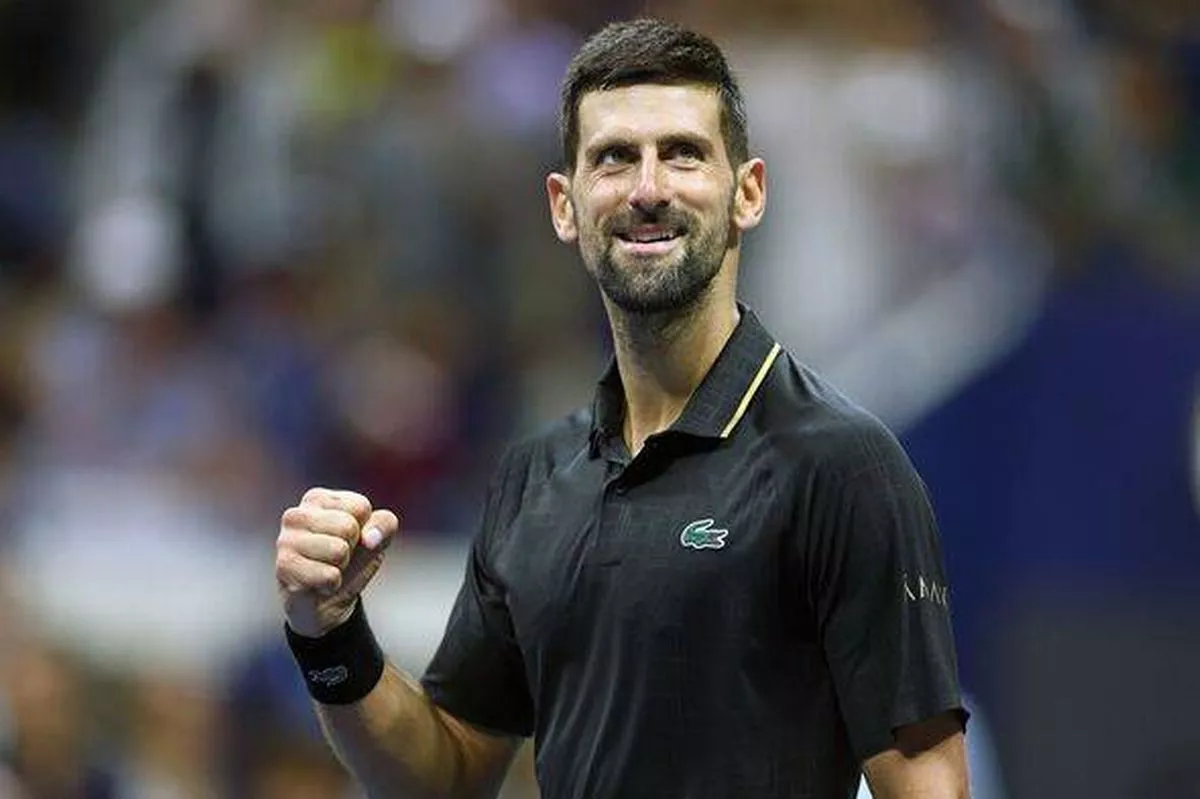
Not so long ago, Novak's plan seemed simple and clear: play out his career and eventually settle in Belgrade for good. He already owned a large apartment in the capital and an estate in Vrdnik, about an hour's drive from the city. In addition, he has property in Monaco, New York and Marbella, but he has always described Serbia as his true home and wanted his children to grow up there.
Today, the picture is very different. Protests in Serbia continue, even if their intensity has decreased. Vucic retains power, tightly controls the media space and harshly suppresses the opposition. Formally, Djokovic did not slam the door on his way out and has never said that he will never return. But the facts are stubborn: the children go to school in Greece, the family tournament now has an Athenian address, property has been purchased in Glyfada, and contacts with the Greek political elite are becoming increasingly close.
Novak still walks onto court under the Serbian flag and continues to speak of his love for his homeland. Yet every one of his matches is now a story not only about the fight for titles, but also about the price an athlete must pay for daring to openly support his country's young generation. And while the sun keeps shining over Athens and political clouds keep gathering over Belgrade, the future address of Serbian tennis's brightest star looks less and less predictable.