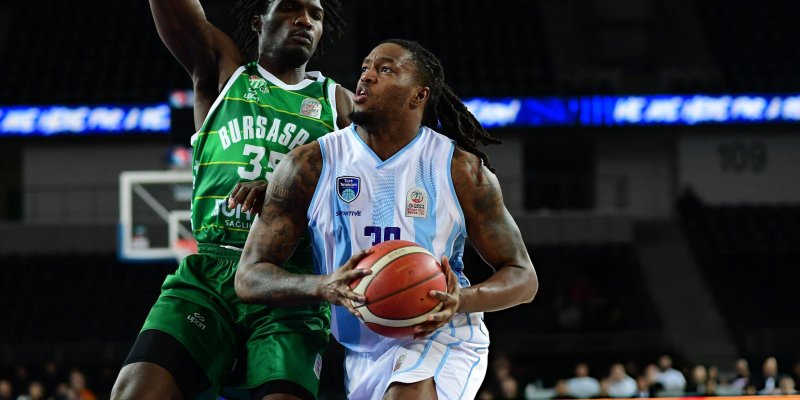

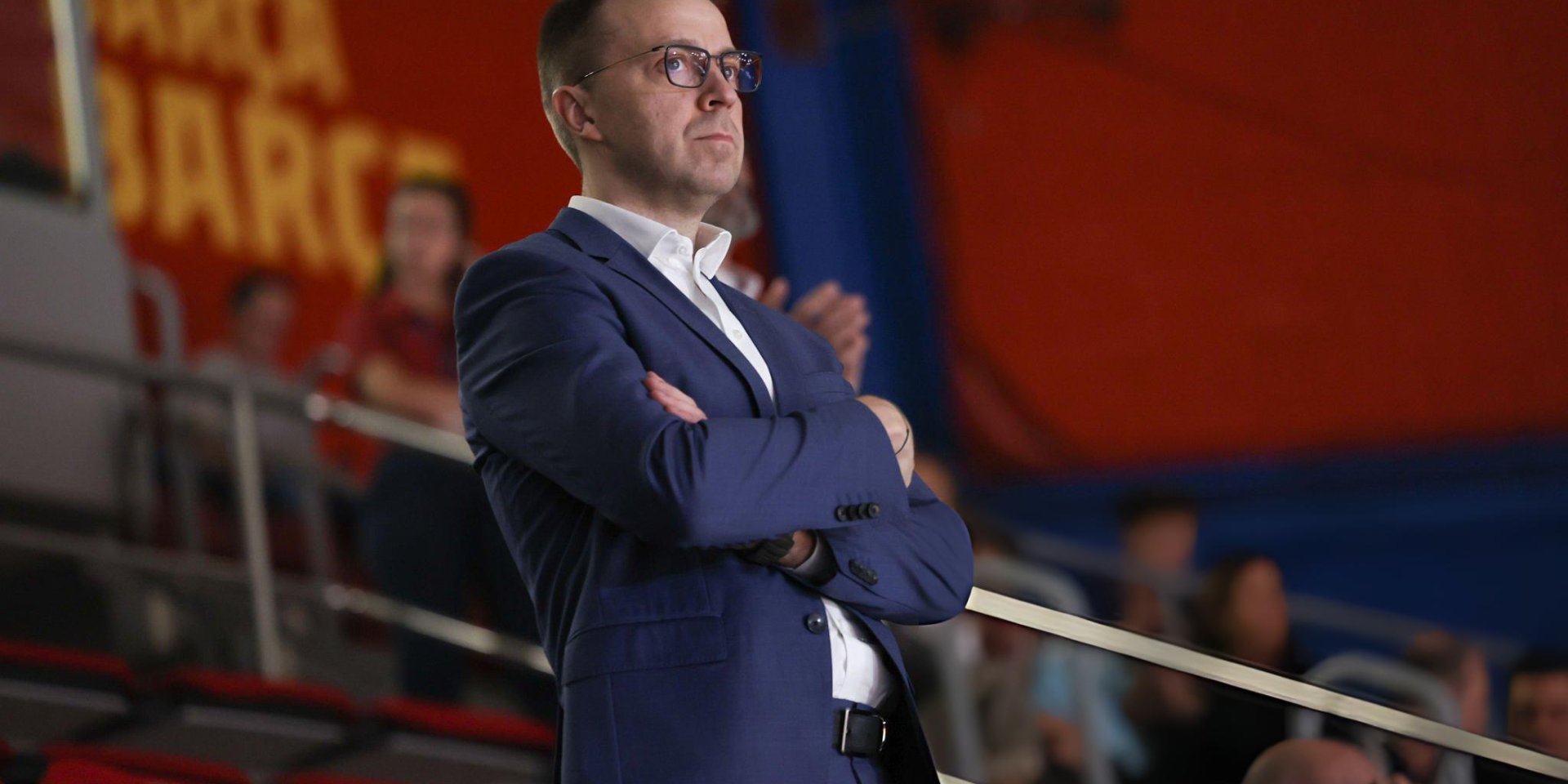
The EuroLeague is preparing one of the most serious reforms in its history. The league's management is considering changes that will affect both the sporting format and the commercial positioning of the competition. This is not just about cosmetic adjustments to the schedule, but an attempt to build a new architecture for Europe's premier club basketball competition.
The Tournament's New Framework: 24 Clubs and Two Conferences
EuroLeague CEO Paulius Motiejunas has outlined a strategic goal of expanding the league to 24 participants, with a 22-team model being considered as an alternative. In the long run, this should lead to a move to a two-conference model. This format is closer to what fans are used to seeing in the NBA: a split bracket, redistribution of regular-season games and a clearer structure for the race for the playoffs.
According to Motiejunas, the management's task is to make the competition more compact in terms of workload while preserving the sporting intrigue and variety of opponents. That is why discussions about the format are ongoing: it is important for the league to find a balance between the number of games, the quality of the product and the interests of the clubs.
Historic Derbies as Sacred Ground
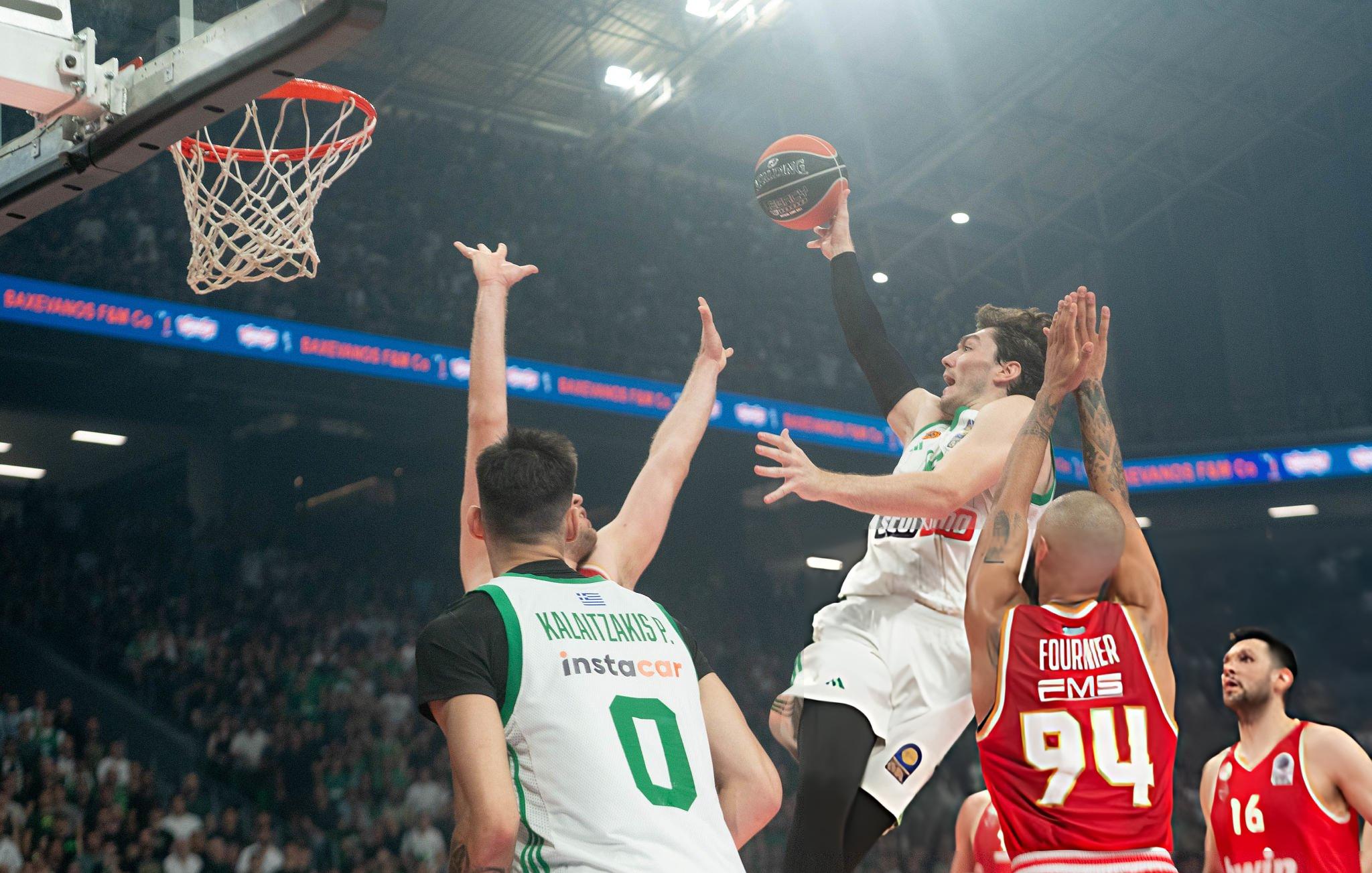
Special emphasis is placed on preserving key rivalries. Motiejunas stressed that even in a conference model, derbies of the level of "Olympiacos" – "Panathinaikos" must remain an integral part of the calendar. The EuroLeague leadership believes that such iconic games are not only about tradition and emotion, but also an important brand asset.
At the same time, logistics is not seen as a critical obstacle: flights between countries do not appear to the league to be an insurmountable problem. It is much more important that fans do not lose the matchups that have defined the face of European club basketball for many years.
Mid-Season Show: Tournament or All-Star Game
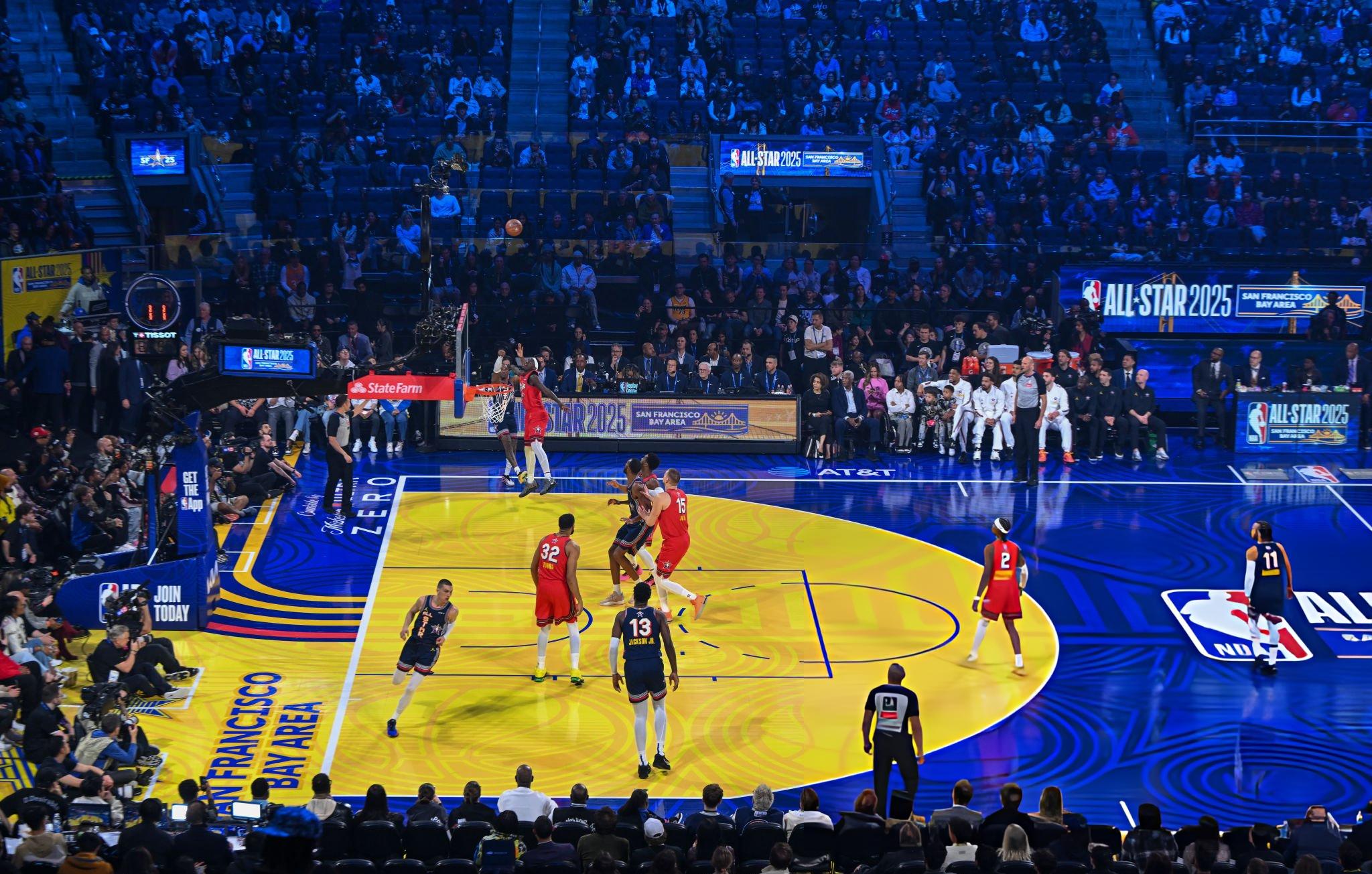
Another element of the coming transformation is the introduction of an additional event in the middle of the season. The EuroLeague is considering several scenarios at once: it could be a separate tournament with its own trophy or a classic All-Star Game featuring the continent's leading players.
Such formats are designed to inject life into the calendar, increase the spectacle and create additional points of attraction for the audience, sponsors and media partners. For the league, this is a chance to turn the middle of the season from a "grey zone" into a vivid basketball festival that will be discussed no less than the decisive playoff games.
Ambition in Numbers: 3-Billion-Euro Valuation
In parallel with changing the sporting format, the EuroLeague is also thinking in big-business categories. Motiejunas openly speaks about the goal of raising the league's valuation to the level of 3 billion euros over the next 3–5 years.
It is important that this is not about direct revenue, but about a target market valuation agreed with the clubs and the league's executives. This includes growth in media rights, commercial deals, brand value and the competition's attractiveness to investors. Put simply, the EuroLeague is striving to cement its status not only as a top-level sporting competition but also as a powerful commercial asset.
The Future of European Basketball: Risk or a New Level?
The planned changes to the EuroLeague format are a step that will inevitably spark debate among coaches, players and fans. Expansion to 22–24 teams, a move to conferences, the introduction of a mid-season tournament or All-Star Game, and the race for a 3-billion-euro valuation could fundamentally change the familiar landscape of European basketball.
If the league manages to preserve historic derbies, reduce excessive schedule congestion and at the same time enhance the spectacle and commercial appeal, the EuroLeague will have a chance to rise to a new level. Otherwise, the risk of an overloaded format and a loss of identity will not disappear either. But one thing is already clear: the coming years will be a period in which continental basketball will not only be played on the court, but will also be actively reshaped at the level of strategic decision-making.