
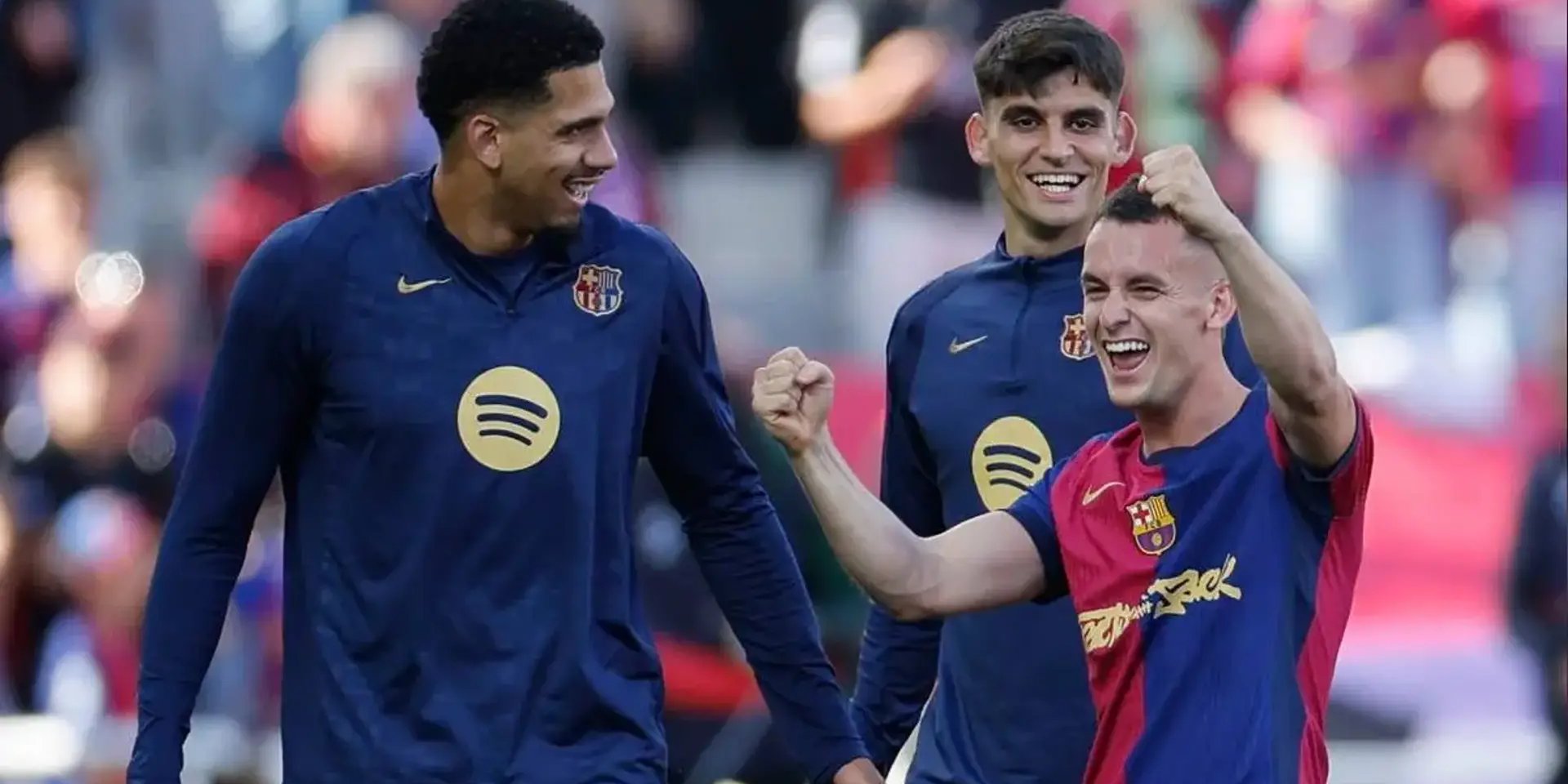
On the calendar it is still winter in Catalonia, but in Barcelona's offices the transfer summer has already arrived. The club's management are calculating scenarios for rebooting the squad: they need a new centre-forward, a fresh winger and a left-footed central defender. At the same time the wage bill is bursting at the seams, and some of the leaders are either losing consistency or stalling under pressure. All of this leads to one conclusion: over the next few years several iconic players may say goodbye to the club.
Defense in Flux: Araujo, Christensen and Casado at a Crossroads
Not so long ago it seemed that Barcelona's back line had been built for years to come. Ronald Araujo was seen as a future captain and the symbol of a new Barca, Andreas Christensen was confidently locking down the centre, and Marc Casado had unexpectedly broken into the starting XI, showing mature football in the holding midfield role.
Today the picture is very different. Despite his long-term contract, Araujo is going through perhaps the most difficult period of his career. Mistakes in key matches, a wave of criticism and psychological pressure have led the club to give him a short break. Inside Barca many feel that the criticism is unfair, but the fact remains: the Uruguayan's confidence has been shaken, and talk of a possible sale in the summer is once again surfacing behind the scenes.
Christensen is approaching the end of his deal, and so far there is no sign that it will be extended. Injuries have eaten up a significant part of the last two seasons, and his high salary makes the Dane a heavy line in the wage budget. The player wants to stay, but the club sees less and less sense in investing in such an unstable asset, especially when it is in parallel searching for a new left-footed centre-back.
Casado is a special case. Last season he played against Bayern and Real, looking like an ideal holding midfielder for Barca's future. But with Hansi Flick's arrival the balance of power has changed: the coach relies more consistently on De Jong, Pedri and even Eric Garcia to build from the back. Bernal and Gavi will soon return, competition in the middle of the park will become extreme, and Casado's minutes are melting before our eyes. For a player of his age, a lack of game time is a direct road to a transfer request.
A Risky Quartet for 2026: Not Only the Defense, but Also Robert
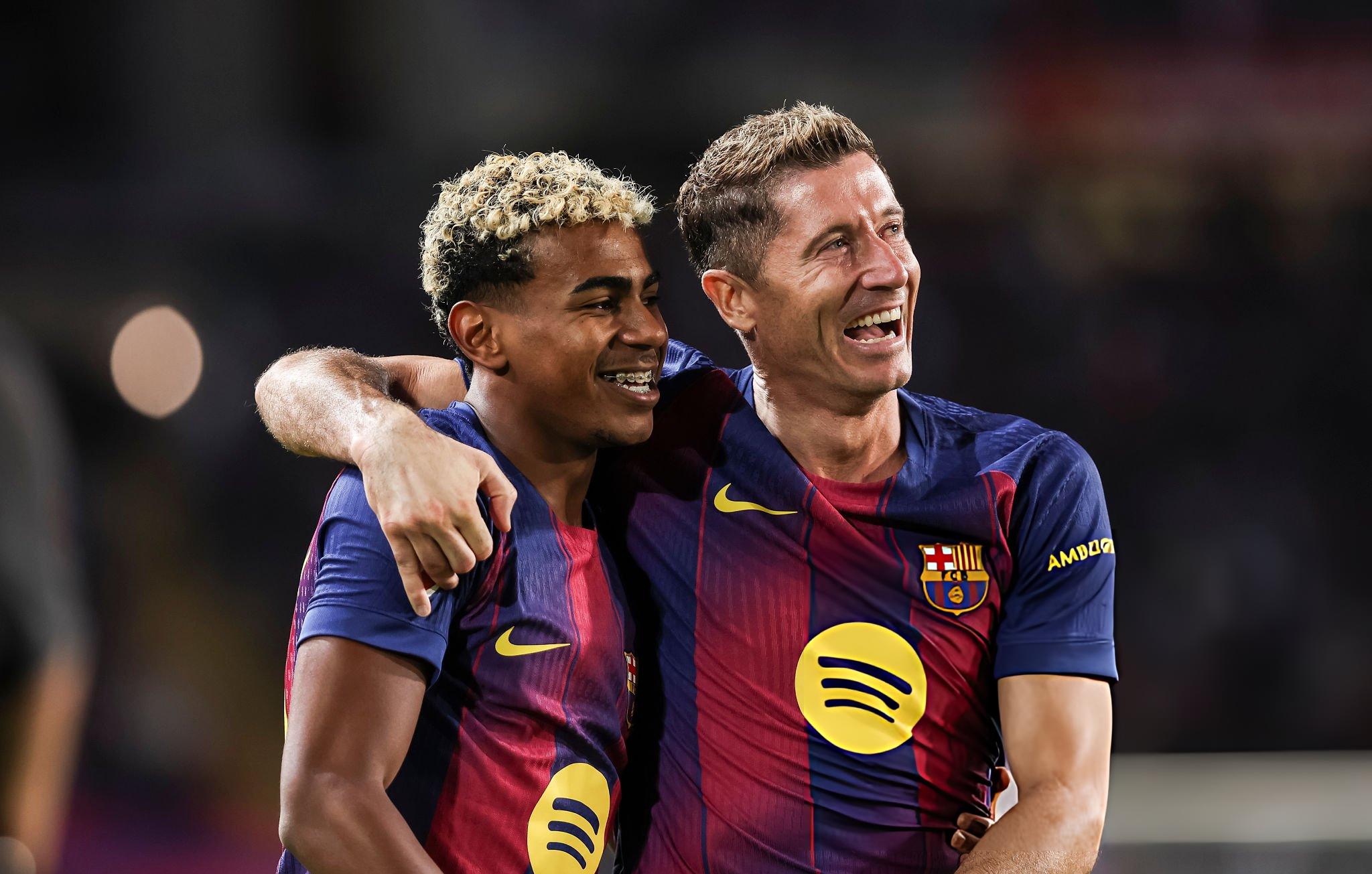
If you look a little further ahead, to the summer of 2026, the outlines of this audit become even harsher. There are already not three but four players in the risk zone: in addition to Araujo, Christensen and Casado, Robert Lewandowski is also part of that group.
The Polish striker is under contract until July 2026, but in Catalonia no one is in a hurry to sit down at the table to discuss a new agreement. On paper Lewandowski still does his job – he scores, helps in the press and draws defenders' attention. But his age, the size of his salary and the club's vector towards a younger front line push Barca towards the idea of a parting. Inside the club you increasingly hear a pragmatic argument: Robert's wage packet can be turned into the contract of a young top striker, if the situation is handled smartly.
The summer of 2026 could become the moment when the club finally turns the page on the older generation and commits fully to a new core – Yamal, Gavi, Pedri, a possible newcomer in attack and a refreshed defensive line.
Lewandowski Between Ambition and the Budget
Lewandowski's future is one of the main storylines surrounding Barca. On the one hand, Robert himself keeps stressing that he is not thinking about retirement and feels excellent physically. Talk about his age irritates him: distance covered, game intensity, willingness to go out on the pitch and decide key episodes – according to him, all of that is still at the same level.
On the other hand, the club has to face up to the numbers. The Polish forward earns around 21 million euros per year, and refusing a new contract would automatically free up a huge chunk of the wage bill. The Catalan media have even outlined a scenario in which Barca let Lewandowski leave for free when his contract expires – precisely in order to invest the freed resources in a younger centre-forward.
There is also a separate thread of rumours that he could retire if Barca were to part ways with him. But insiders have already knocked that down: the striker intends to see out his contract in Catalonia and then look at offers, including from Saudi Arabia, where clubs have been monitoring him for a long time.
Number 9 Market: The Alvarez Dream, the Kane Option and the 'New Eto'o'
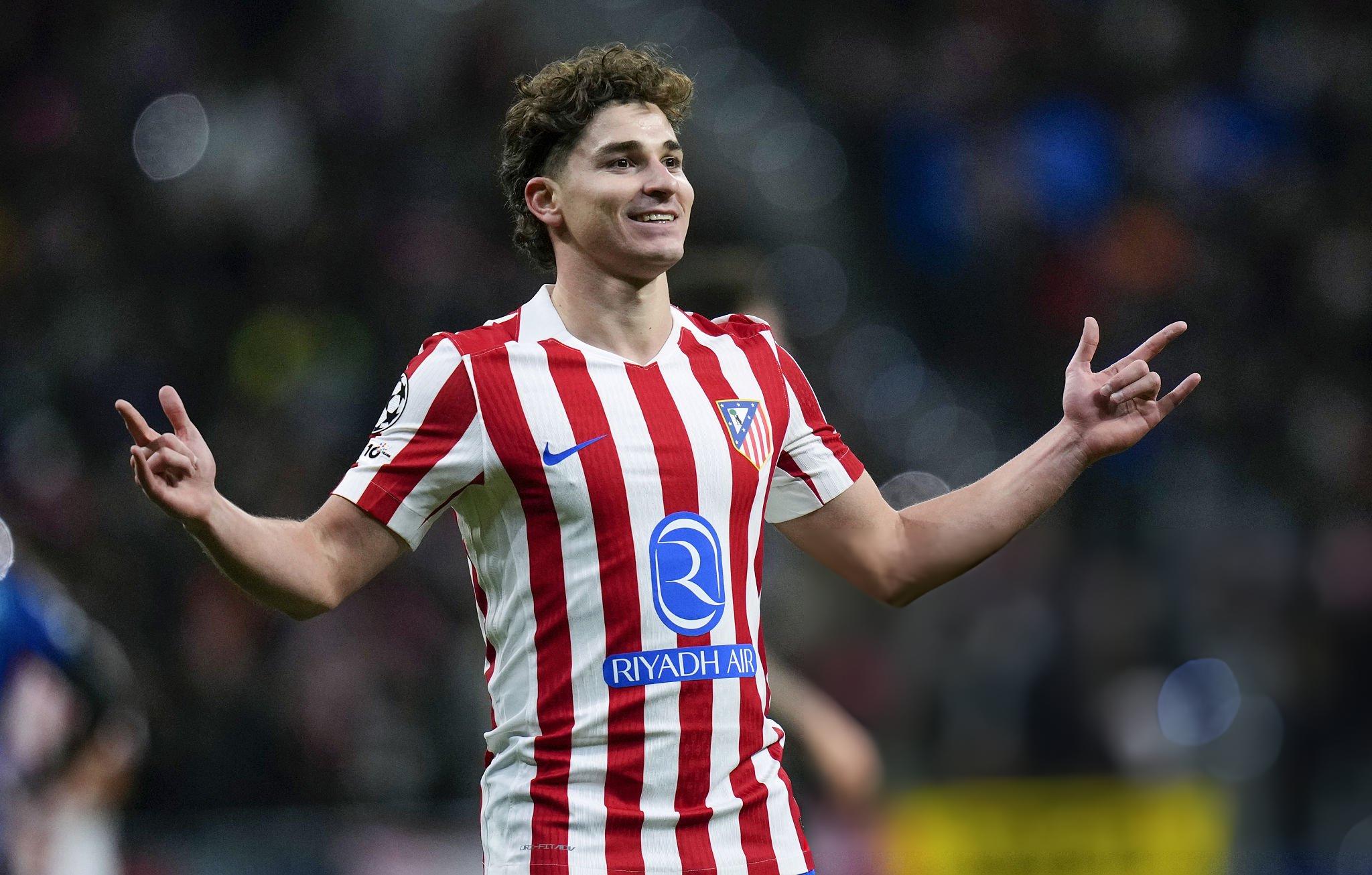
At the same time Barcelona are methodically scanning the striker market. The media have thrown around the biggest names – from Haaland to Osimhen – but inside the club a more realistic short list is slowly taking shape.
Julian Alvarez is the ideal but almost unattainable dream. The club see him as a striker for a generation and a player around whom they can build their attack for the next seven or eight years. It is said that Joan Laporta himself is a huge admirer of his style. However, the club that owns him would demand an astronomical fee for the Argentinian, and the player himself is happy where he is and has no desire to move right now.
Harry Kane is a more experienced but equally complicated option. The English striker's contract with Bayern runs until 2027, and according to the press Barca would have to trigger a sizeable release clause to get him. At 32 Kane remains a guarantee of goals, but for a club in a tight financial position this looks like a very risky bet.
In the shadow of these superstars there is a more down-to-earth candidate – Cameroonian striker Karl Ette-Eyong. He was sold from Villarreal to Levante for a modest fee, but his former club retained 50 percent of his rights and a buy-back option. Since the beginning of the season the 22-year-old forward has been scoring with impressive regularity, and in Spain he has already been dubbed the new Samuel Eto'o. For Barca this is a chance to snap up a promising striker before his price explodes, but the key question remains: is he really ready to replace Lewandowski straight away and handle the pressure of Camp Nou?
Yamal in Messi's Shadow – and Beyond It
Another major storyline is Lamine Yamal. The winger is tired of repeating that he does not want to be the new Messi and is building his own path. But the numbers keep feeding the comparisons. After his first 120 matches for Barcelona Yamal already has 32 goals and 43 assists – 75 goal contributions in total.
At the same point Messi had 76 (50 goals and 26 assists), but Leo reached that figure at 21, when he was being gently eased into the starting XI. Yamal, by contrast, is doing it at 18, playing almost without a break, carrying a massive load and often going out as the main hope of the attack.
This statistical race is both inspiring and worrying. On the one hand, Barca can see clearly that they have a unique talent in their hands. On the other, there is the question of whether the young winger has the physical and mental resources to sustain this tempo without burning out or picking up serious injuries. That is why the club's long-term strategy is not just to find a new striker, but also to manage Yamal's minutes in a very careful way.
Flick, Champion's Pressure and the Search for Stability
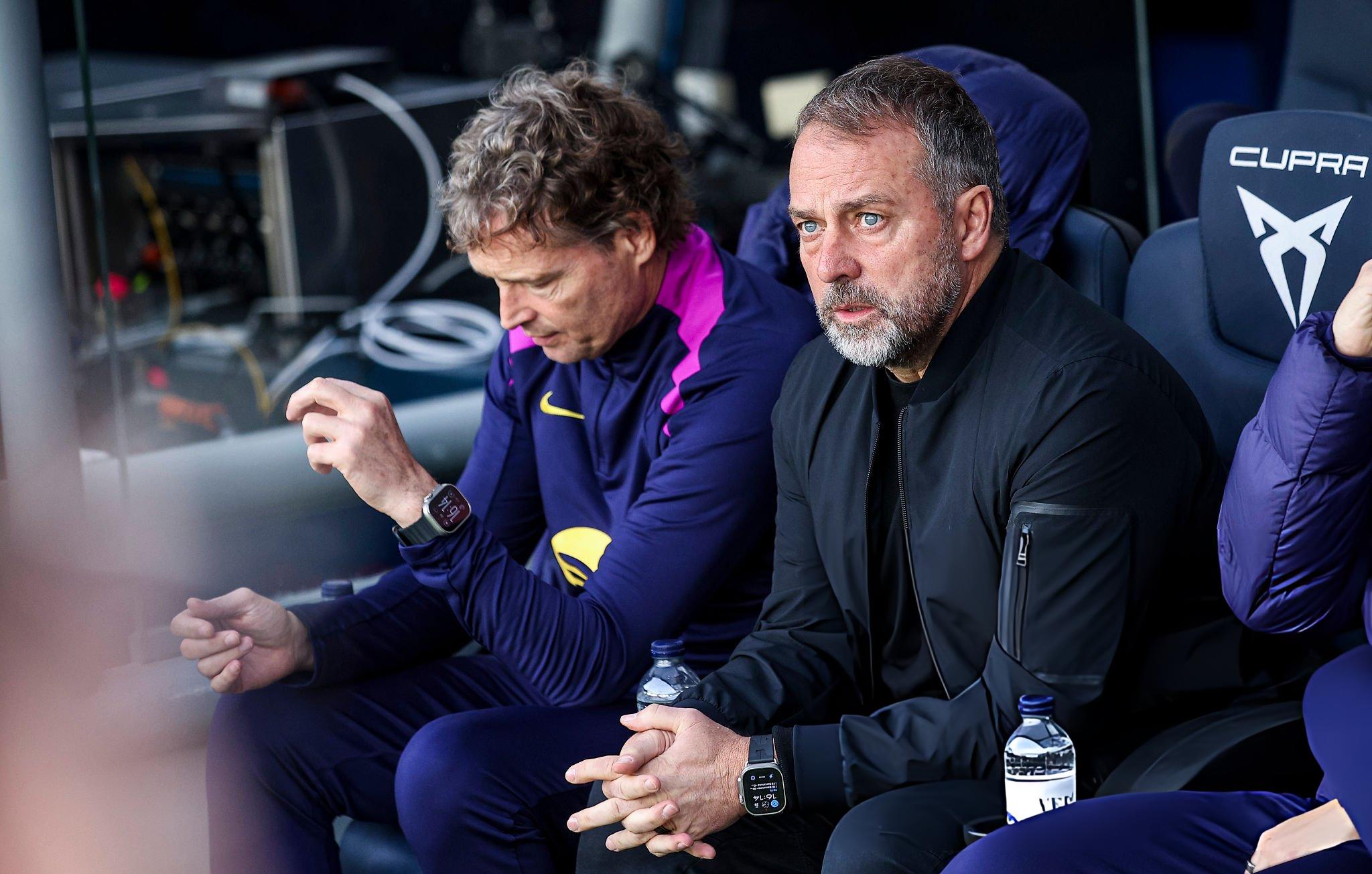
Against the backdrop of all these transfer rumours Barcelona are technically top of La Liga, one point ahead of Real. But Hansi Flick openly admits that the team are far from their best and still a long way off the level they showed last season.
The coach keeps returning to the theme of stability. Back then Barca had an almost unchanged starting XI, a clear core built around Pedri and De Jong, and a settled back line. Now injuries, rotation and the search for the right combinations keep knocking the team out of rhythm. Even so, Flick stresses that the club are not looking for excuses and must win key games such as the meeting with Atletico.
A Summer of Reset: A Chance for a New Barcelona
All of these storylines converge in one point: over the next few summers Barcelona will face a genuine reset. The quartet of potential departures (Lewandowski, Araujo, Christensen, Casado), the search for a new No. 9, the management of Yamal's workload and the fight for stability under Flick are all pieces of the same big puzzle.
If the Catalans can refresh the squad intelligently, free up room in the wage bill and do so without losing competitiveness in the here and now, the club will have a real chance to build a new team around its young core. If not, Barca risk getting stuck between past and future, with veteran stars no longer able to carry the load and their successors not yet ready. That is why the upcoming off-seasons will not just be more transfer windows for the Catalans, but an exam in strategic thinking.