

The Turkish national team finished the 6th Islamic Solidarity Games in Riyadh in dazzling fashion, turning the tournament into a demonstration of strength and consistency. Over 18 days of competition, the team steadily increased its lead in the medal standings and ultimately crossed the finish line in first place in the overall ranking of participating countries.
Turkey's Surge to the Top of the Medal Table
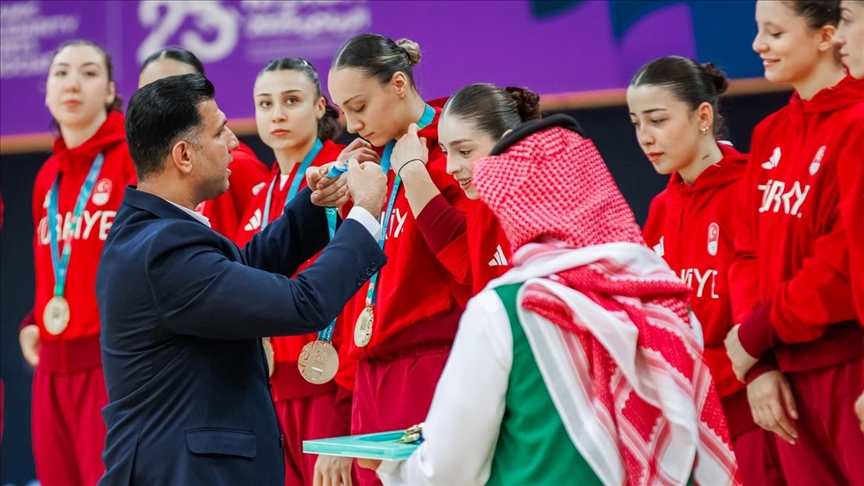
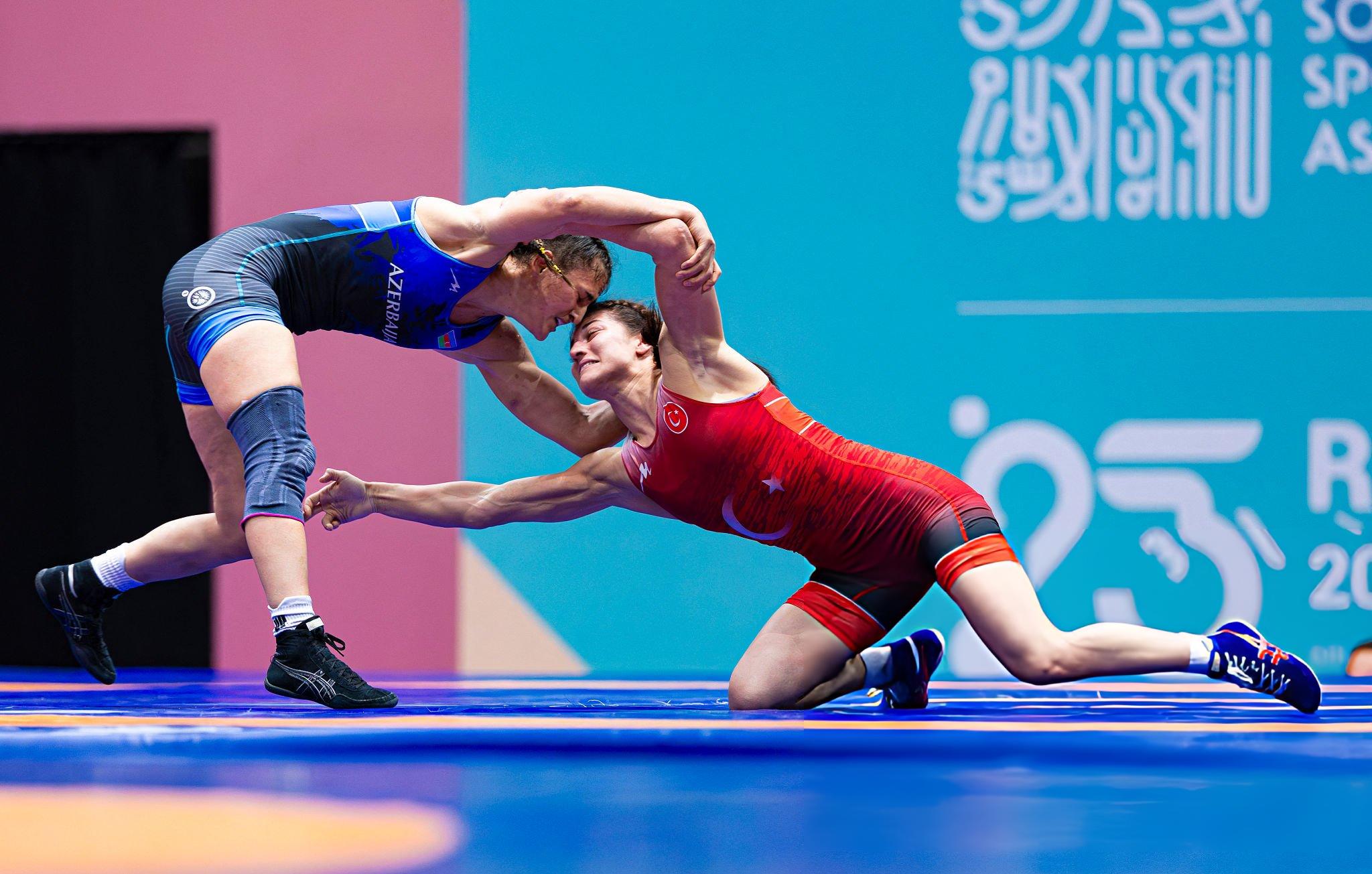
The decisive moment came on the final day of competition, when Turkish athletes took to the stage in wrestling, para powerlifting, and handball. In the combat sports and para powerlifting events, the team added two bronze medals in each discipline, reinforcing an already commanding advantage.
The main exclamation point, however, was the success of the Turkish women's national handball team. In a tense final, the Turkish side defeated Kazakhstan 34–31 and claimed the Games title for the second time in a row, reaffirming its reputation as one of the strongest women's handball teams in the Islamic world.
In the end, Turkey closed out the tournament with 155 medals: 72 gold, 44 silver, and 39 bronze. This result not only allowed the team to confidently lead the medal standings at the current Games, but also cemented its status as the front-runner at the event held on Saudi soil.
Chasing Pack: Uzbekistan and Iran Close, but Behind
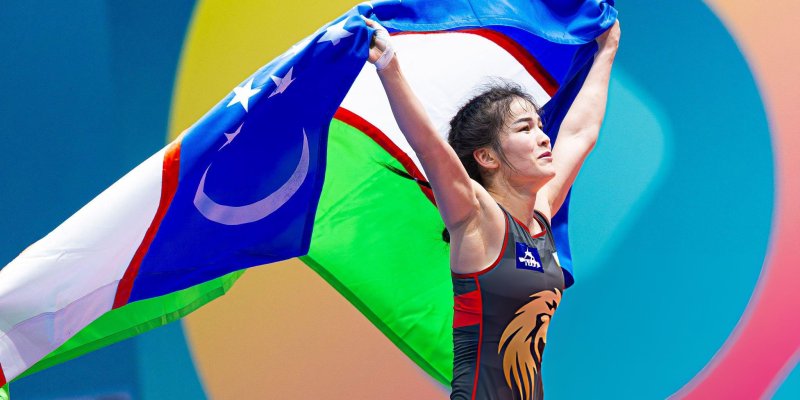
Turkey's closest challenger was Uzbekistan. Uzbek athletes fought hard for the top spot in the table and ultimately collected 96 medals: 29 gold, 35 silver, and 32 bronze. In the number of top-tier titles, Uzbekistan drew level with Iran, but thanks to a higher overall medal count, managed to hold on to second place.
Iran finished the Games with 81 medals (29 gold, 19 silver, and 33 bronze), rounding out the top three. These three favorite nations set a high standard of competition and effectively formed a separate podium at the Islamic Games, pulling noticeably clear of the rest of the field.
Hosts of the Tournament and a Strong Middle Tier
Saudi Arabia, hosting the Games for the second time, confidently joined the group of leaders. The hosts won 57 medals (18 gold, 12 silver, and 27 bronze) and took fourth place in the overall standings. Fifth place went to Egypt, which left Riyadh with 45 medals (17 gold, 11 silver, and 17 bronze).
The upper part of the table also featured Bahrain (16 gold, 11 silver, 7 bronze – 34 medals in total), Kazakhstan (15–20–21, 56 medals), Nigeria (11–12–7, 30), Morocco (10–7–9, 26), and Azerbaijan (9–19–31, 59). These teams formed the tournament's powerful middle tier, consistently adding to their medal tallies across a wide range of disciplines, from combat sports to team games.
Just below them were the UAE, Algeria, Indonesia, Kyrgyzstan, Tunisia, Uganda, Jordan, Qatar, Kuwait, Cameroon, Oman, Iraq, Senegal, Pakistan, Djibouti, Afghanistan, Libya, and Tajikistan — each of these countries made its presence felt by winning medals of various denominations.
Palestine and Other Teams That Refused to Give Up
Particular attention was drawn to Palestine, which finished 29th overall but showed remarkable character. Palestinian athletes won five medals: two silver in jiu-jitsu and one bronze each in boxing, Muay Thai, and swimming. For a country competing under objectively difficult circumstances, this result looks especially meaningful.
Bangladesh, Niger, Syria, Guinea, Lebanon, Cote d'Ivoire, Malaysia, Guyana, Togo, Gambia, the Maldives, and a number of other nations also managed to claim their share of medals. At the same time, a whole group of countries — from Benin and Brunei to Turkmenistan, Yemen, and Guinea-Bissau — remained without medals this time, limited to participation and the valuable experience gained.
The Scale of the Tournament and Its Role for Islamic Sport
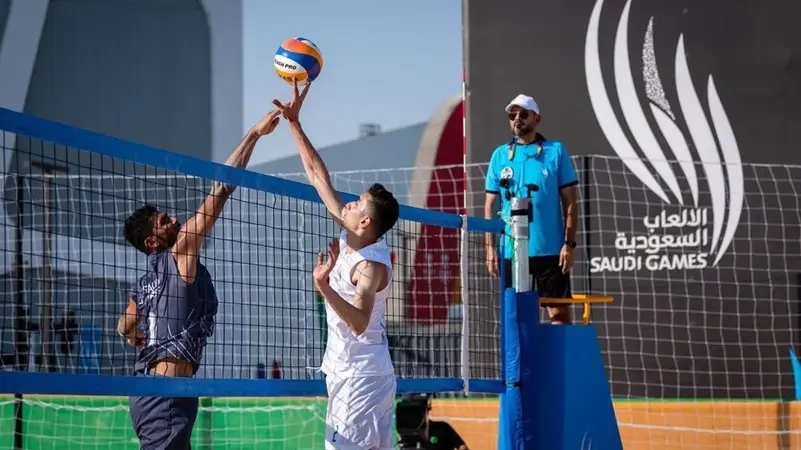
The 6th Islamic Solidarity Games once again confirmed their status as a major international event. Around 3,500 athletes from 57 countries came to Riyadh to compete for medals in dozens of disciplines. The high density of competition, spectacular finals, and the emergence of new champions turned the tournament into an important milestone for the sporting landscape of Islamic nations.
For Turkey, this edition of the Games was a true triumph: leadership in the medal table, strong performances in both team and individual events, and a successful title defense in women's handball. For the chasing nations — Uzbekistan, Iran, and hosts Saudi Arabia — the Games became a platform to gauge their current level and map out the next steps for future progress.
The Islamic Solidarity Games, which concluded in Riyadh, showed that competition is intensifying, the geography of victories is expanding, and sport continues to serve as a powerful vehicle for unity and mutual respect among countries of the Islamic world.