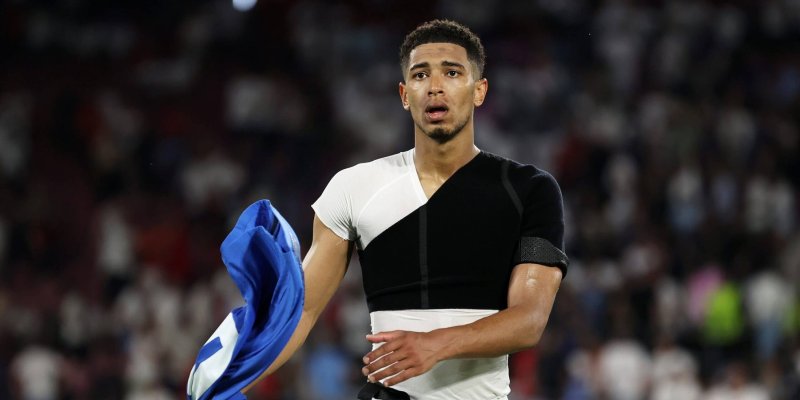

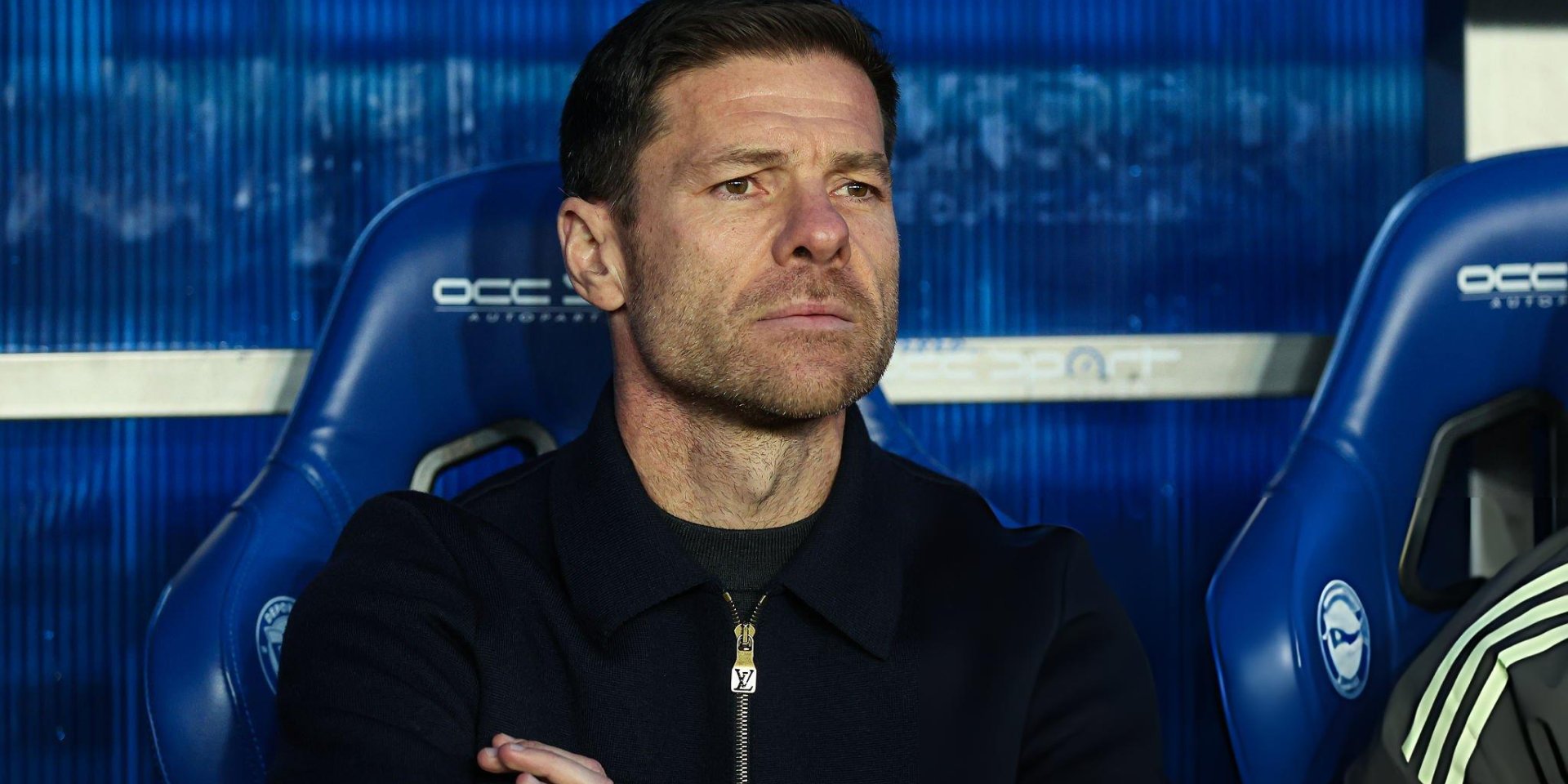
Madrid is tense again: talk of Xabi Alonso’s possible dismissal is growing louder, and according to behind-the-scenes reports, the coach has very little room left to manoeuvre. The board is said to have set a simple formula for trust: the upcoming stretch must deliver results “right now” — otherwise the manager’s chair will start heating up not just metaphorically.
A Three-Match Ultimatum: No Time to Warm Up
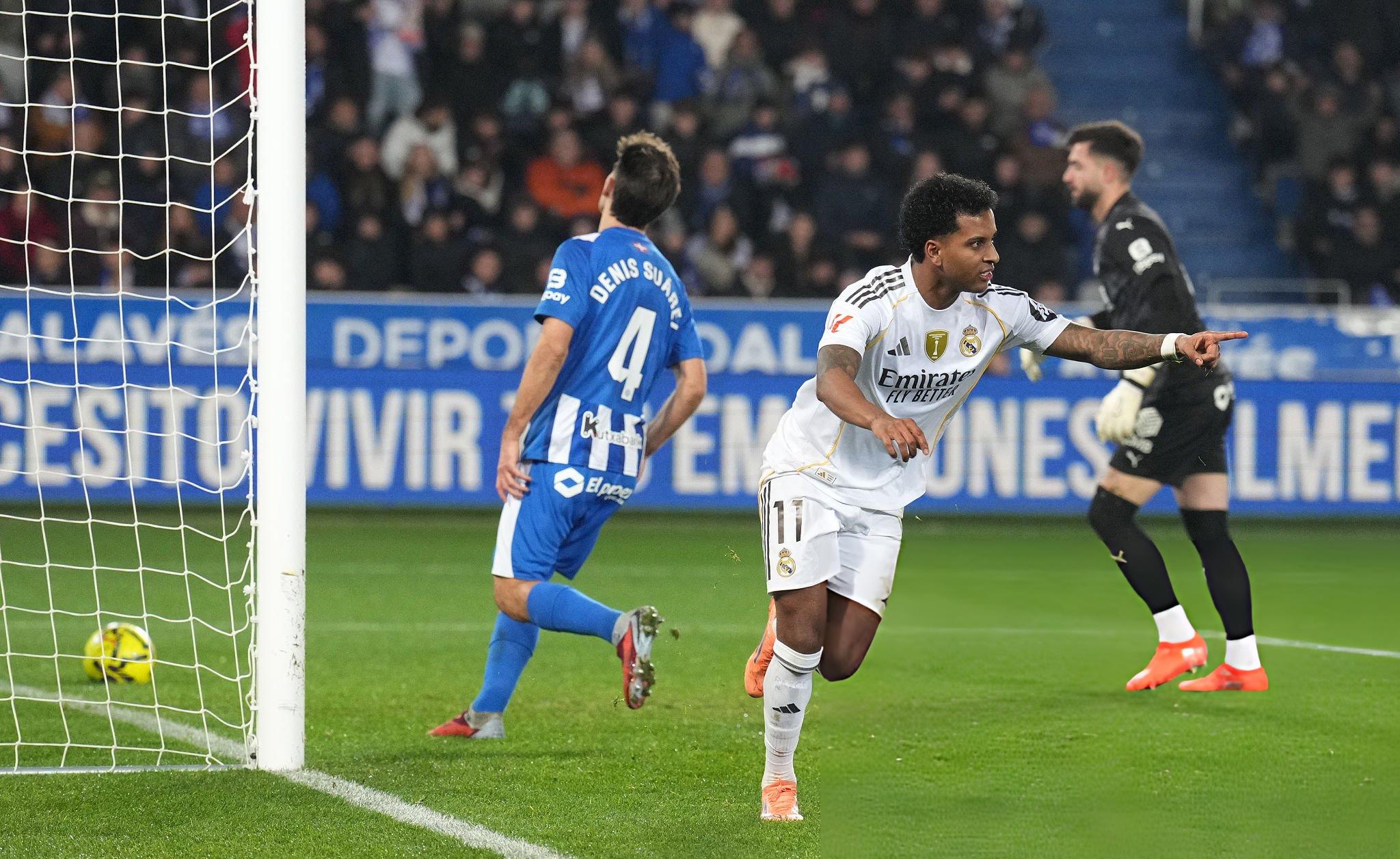
Reports say Alonso has been given three games to fix the situation — “Alavés” (December 14), “Talavera” (December 17) and “Sevilla” (December 20). The logic is clear: the opposition varies in quality, which means there will be very few excuses. In these circumstances, any slip becomes a headline, while every win is merely a temporary reprieve.
Different Opponents, the Same Price for Mistakes
The “Alavés” match is usually about patience and breaking down a compact defence — the kind of game where the favourite can get bogged down in duels and set pieces. The meeting with “Talavera” looks like a must-do on paper, but that’s exactly where the danger lies: the team is expected not only to progress, but to do it with confidence and control. “Sevilla” is a different story altogether — a principled opponent, crowd pressure, and a test of character where one or two errors in positional defending can wipe out a strong spell.
When the Betting Market Sets the Tone of Expectations
Bookmakers are reading the situation in a very pragmatic way. Odds of 2.15 for “Real Madrid” to win all three matches roughly translate to a probability of around 46%. The alternative — no win in at least one of the games — is priced at 1.75, meaning the market considers that outcome more likely. And that doesn’t necessarily signal “doubt” about “Real Madrid” — it’s more a reminder that three straight wins are not automatic even for a giant, especially when the team is playing under psychological pressure.
Dressing-Room Psychology and Coaching Decisions
In weeks like this, it’s not just the shape that matters, but the management of emotions: rotation, work with leaders, precise substitutions, and discipline off the ball. Alonso doesn’t need an abstract “good performance” — he needs a concrete result: at least one win that lowers the temperature and lets the team breathe. But if the tension spills onto the pitch, you’ll see rushed decisions in the final third, exposed zones after turnovers, and needless fouls in dangerous areas.
A Reset of Trust or Another Wave of Turbulence
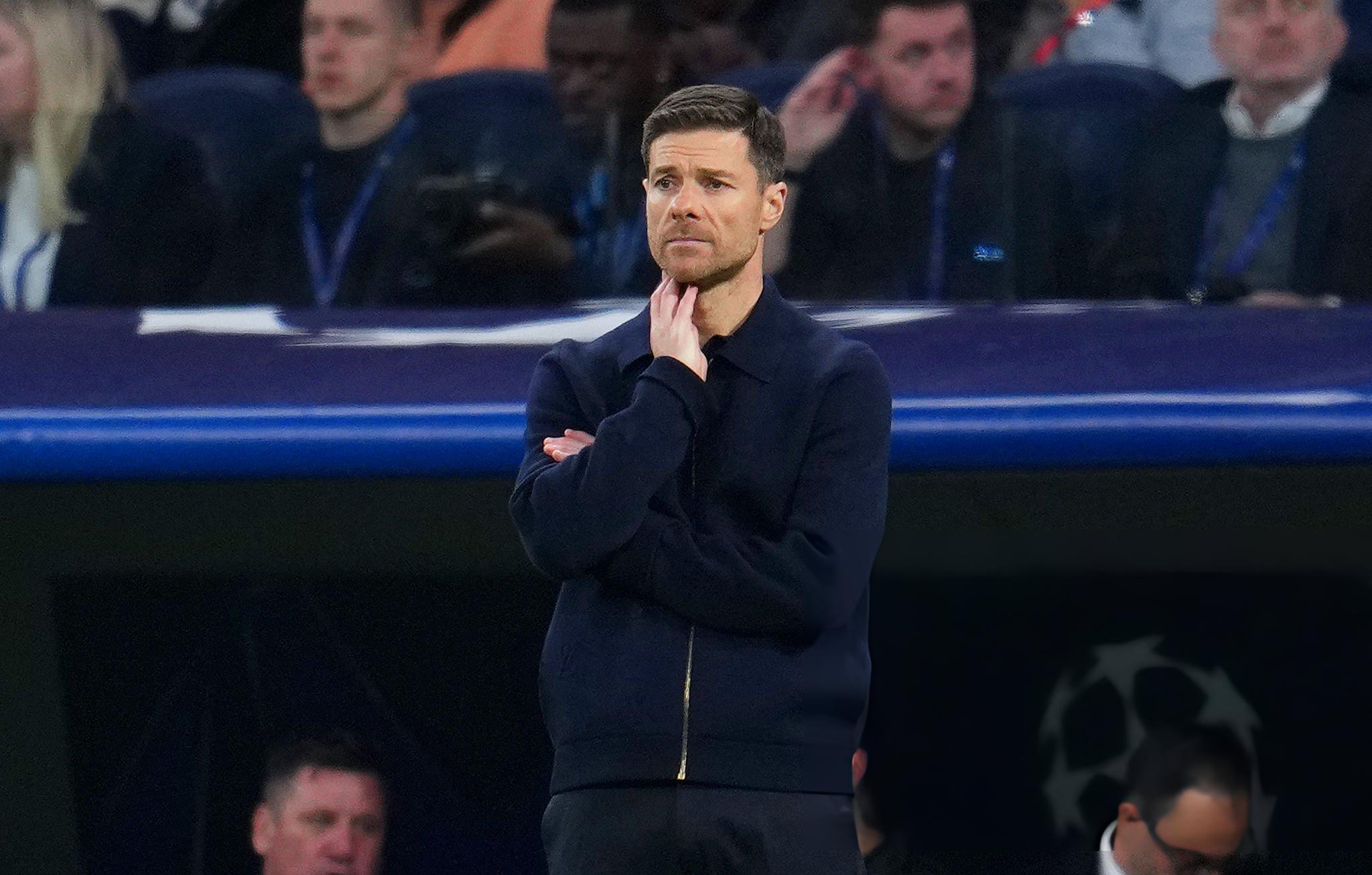
These three games turn into a mini-season within the season: a short stretch where every point carries headline weight. A winning run can restore a sense of control and reboot trust in Alonso’s project. But any stumble can quickly turn the coach-change talk from “theory” into reality — because at “Real Madrid”, time is always measured in trophies and on the scoreboard.