
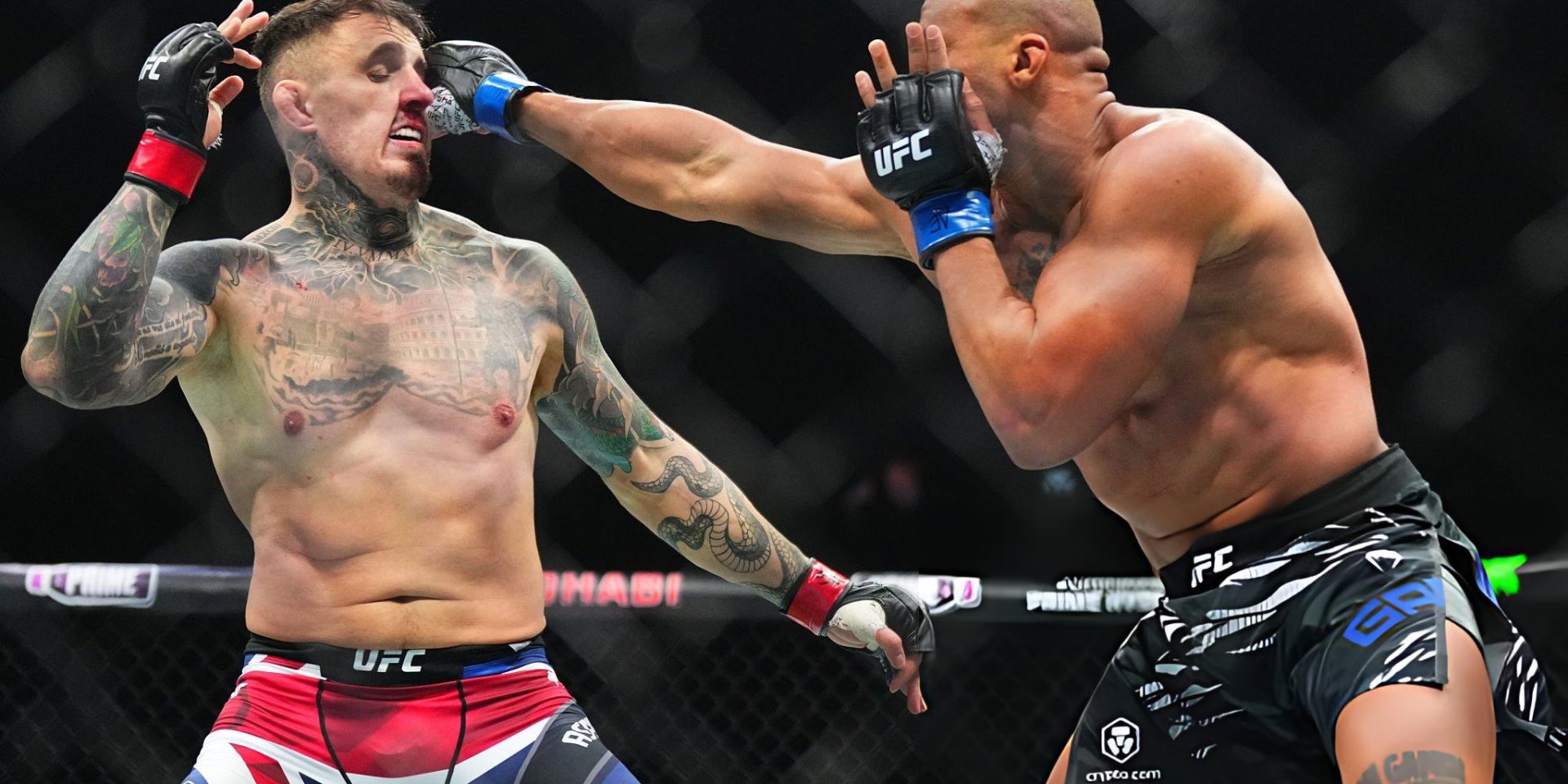
In Abu Dhabi, crowd favorite Tom Aspinall suddenly became the week’s central figure—and not because of a knockout. His title fight with Ciryl Gane ended in the opening round after a blatant eye poke, and the champion’s decision not to continue triggered a wave of accusations. Aspinall responded by releasing a short behind-the-scenes documentary, but the debate over the acceptable limits of risk for a fighter only grew hotter.
Round One, Two Eye Pokes and a Chorus of Boos
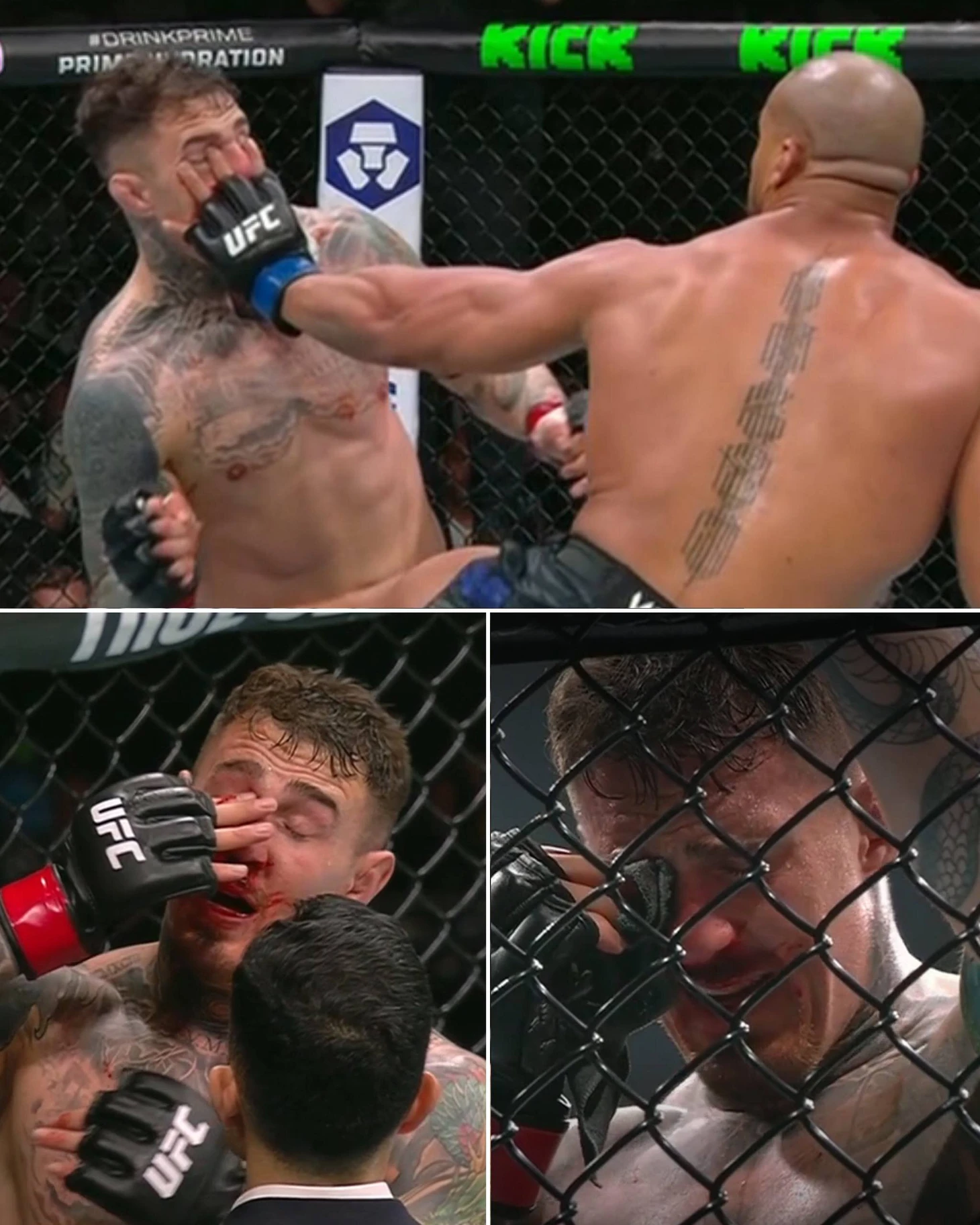
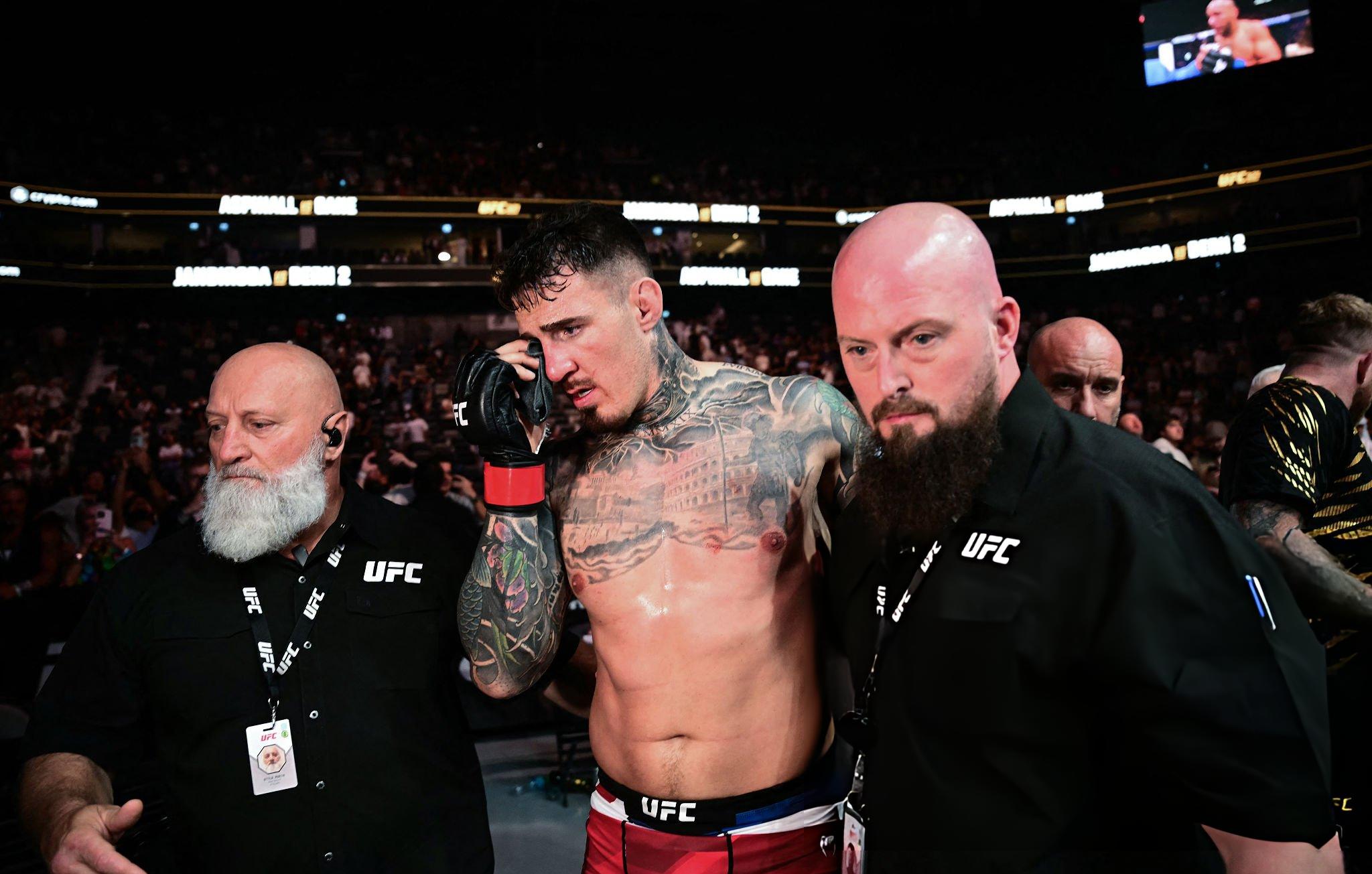
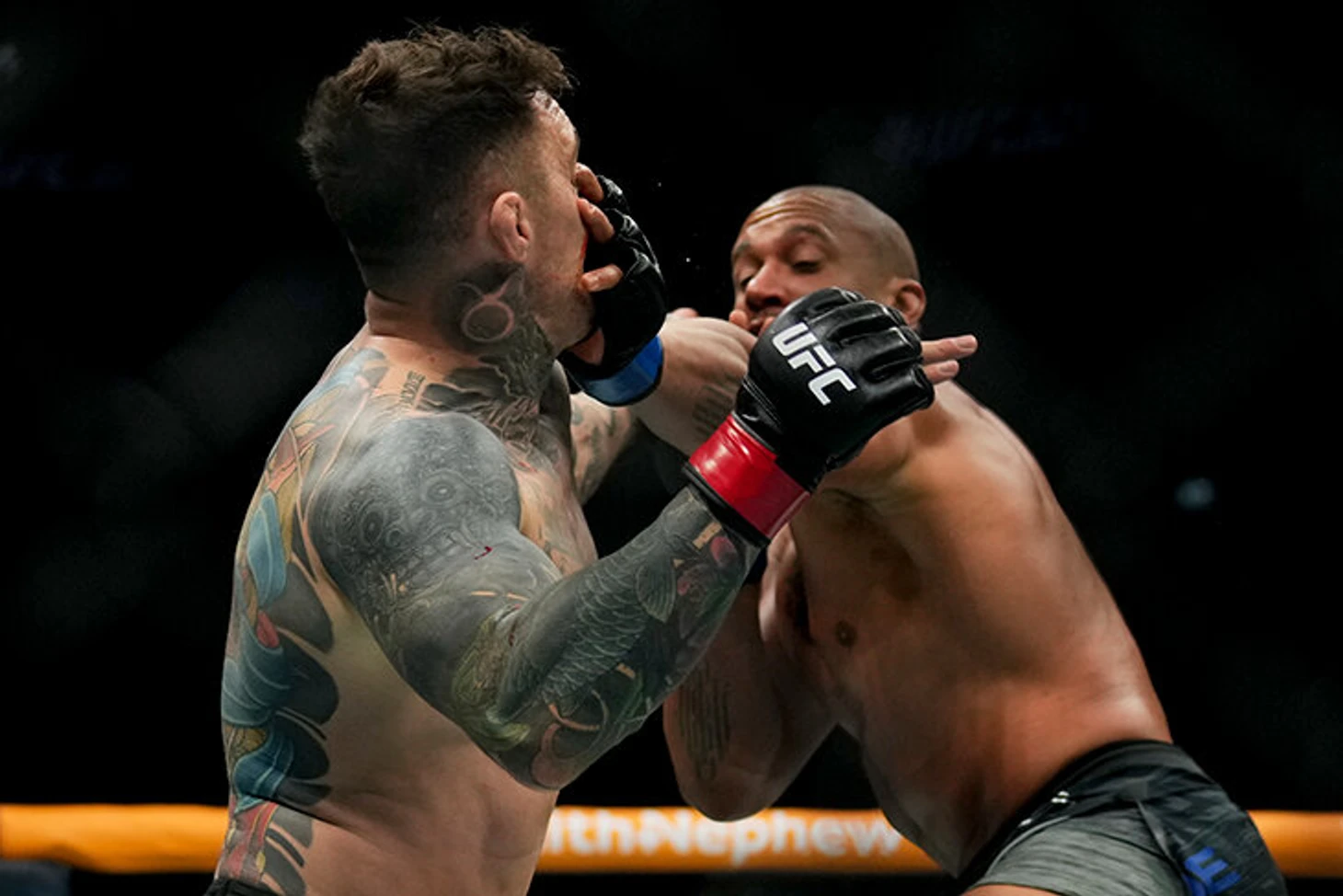
The sequence that swung the story happened quickly. Gane, working behind the jab and controlling distance, raked his fingers across his opponent’s eyes during an exchange—both eyes were affected. The left suffered more: Tom paced around the Octagon, repeatedly wiping a tearing eye and telling the doctor he couldn’t see. After a brief check, the referee allowed recovery time, but Aspinall couldn’t achieve even minimal vision and declined to continue. By the rules—safety comes first—yet the crowd’s response was harsher: boos and jeers rained down on the champion until the stoppage was announced.
Should a Champion Just Endure: Who Criticized Aspinall and Why
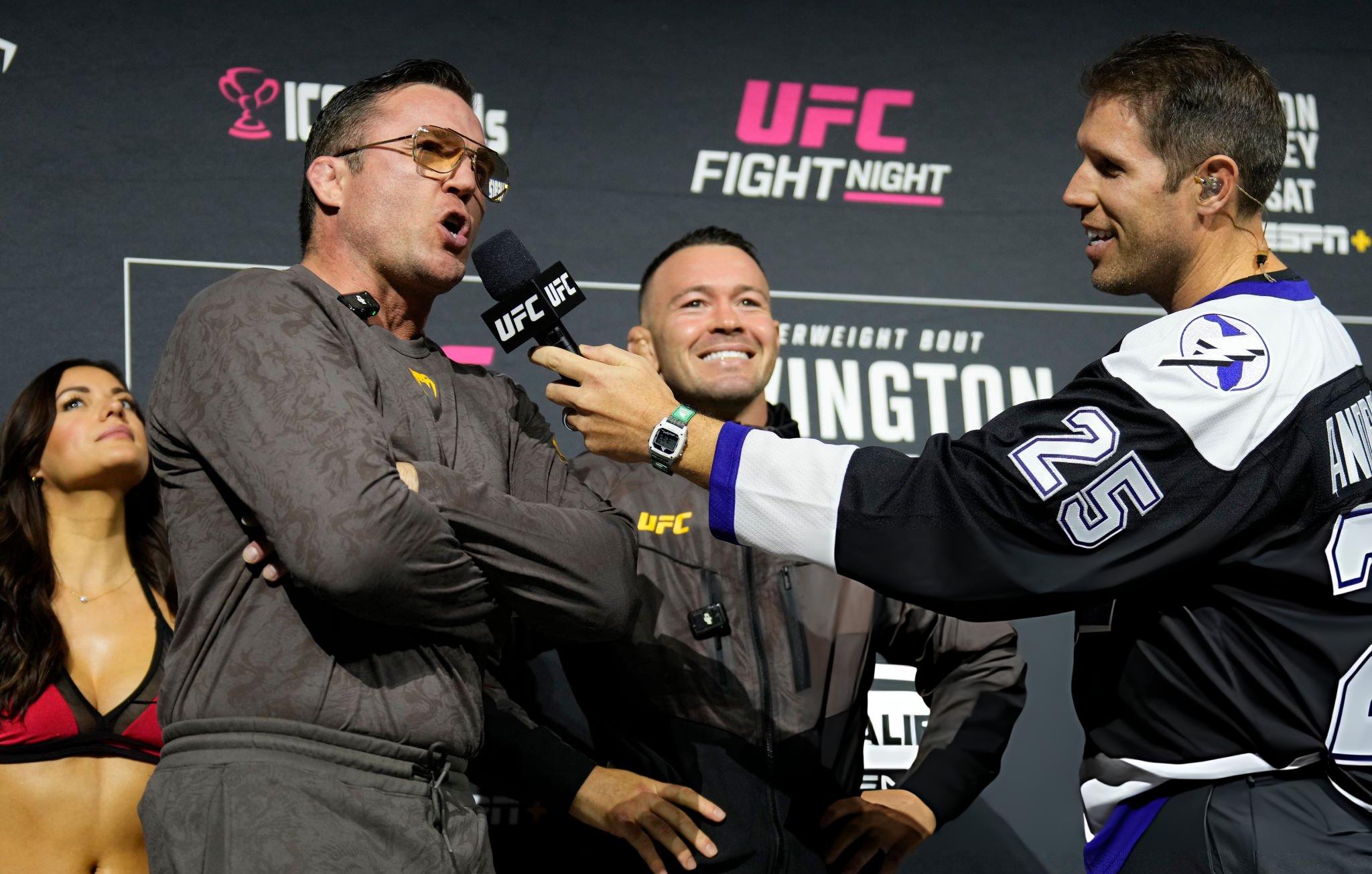
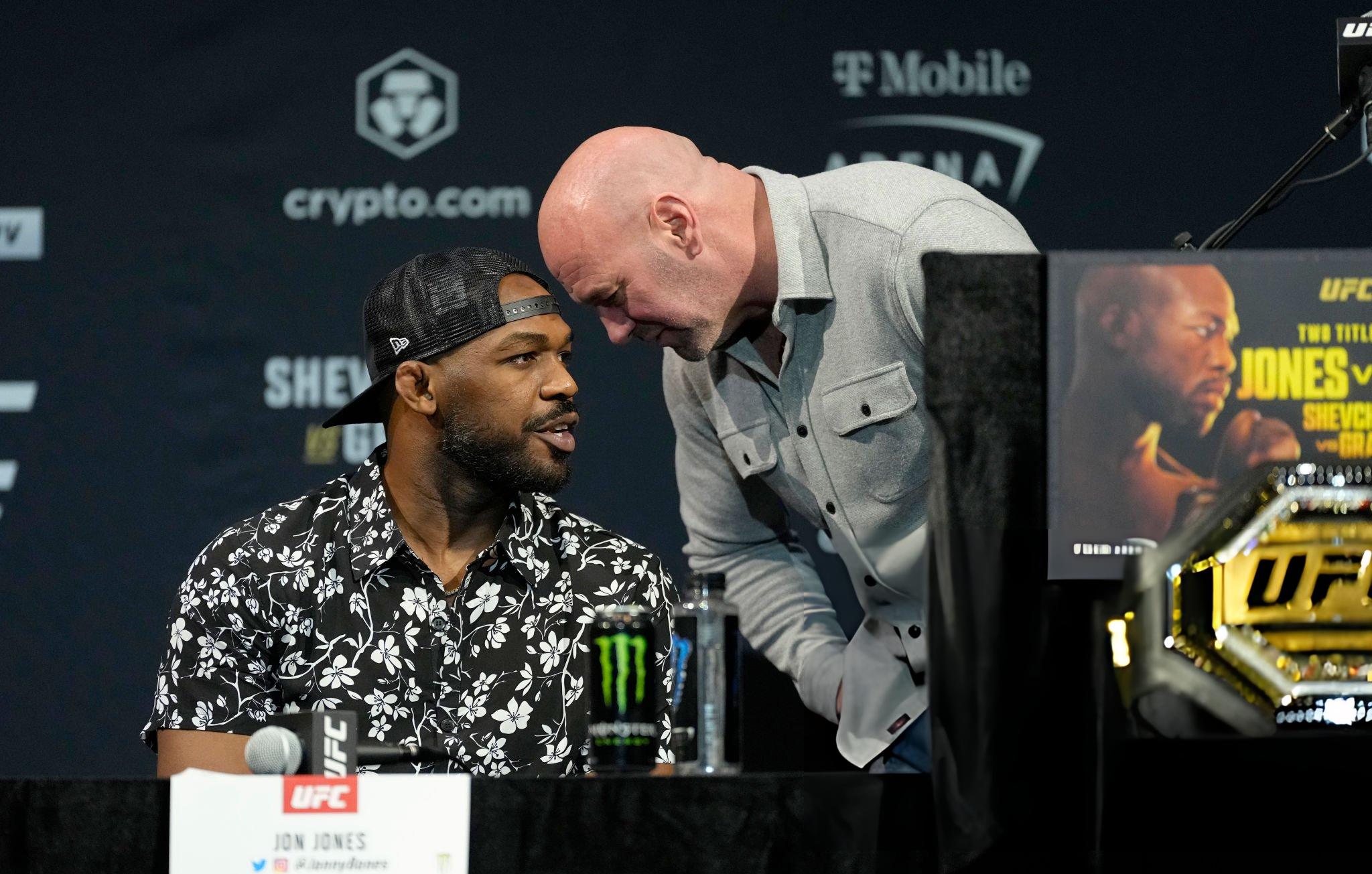
On social media and broadcasts, a narrative formed quickly: “he should have gone to the end.” Former UFC fighter Chael Sonnen put the stance bluntly, implying that fighting “on one eye” isn’t extraordinary for a heavyweight champion. Promotion president Dana White added to the skepticism. He stressed you can’t force anyone into the cage against their will, but reminded everyone that “we all saw Ciryl smash Tom’s face,” hence a rematch would be even more intriguing. Many took that as a thin hint that Aspinall had exaggerated the moment’s severity.
Details from round one fueled the picture: Tom’s nose was damaged, he was chasing Gane without a clear plan, and his breathing was getting heavier. The combination of visible fatigue and an immediate stoppage became fertile ground for accusations of “acting.”
A Film as a Reply to Haters: Behind the Scenes and a Very Human Fear
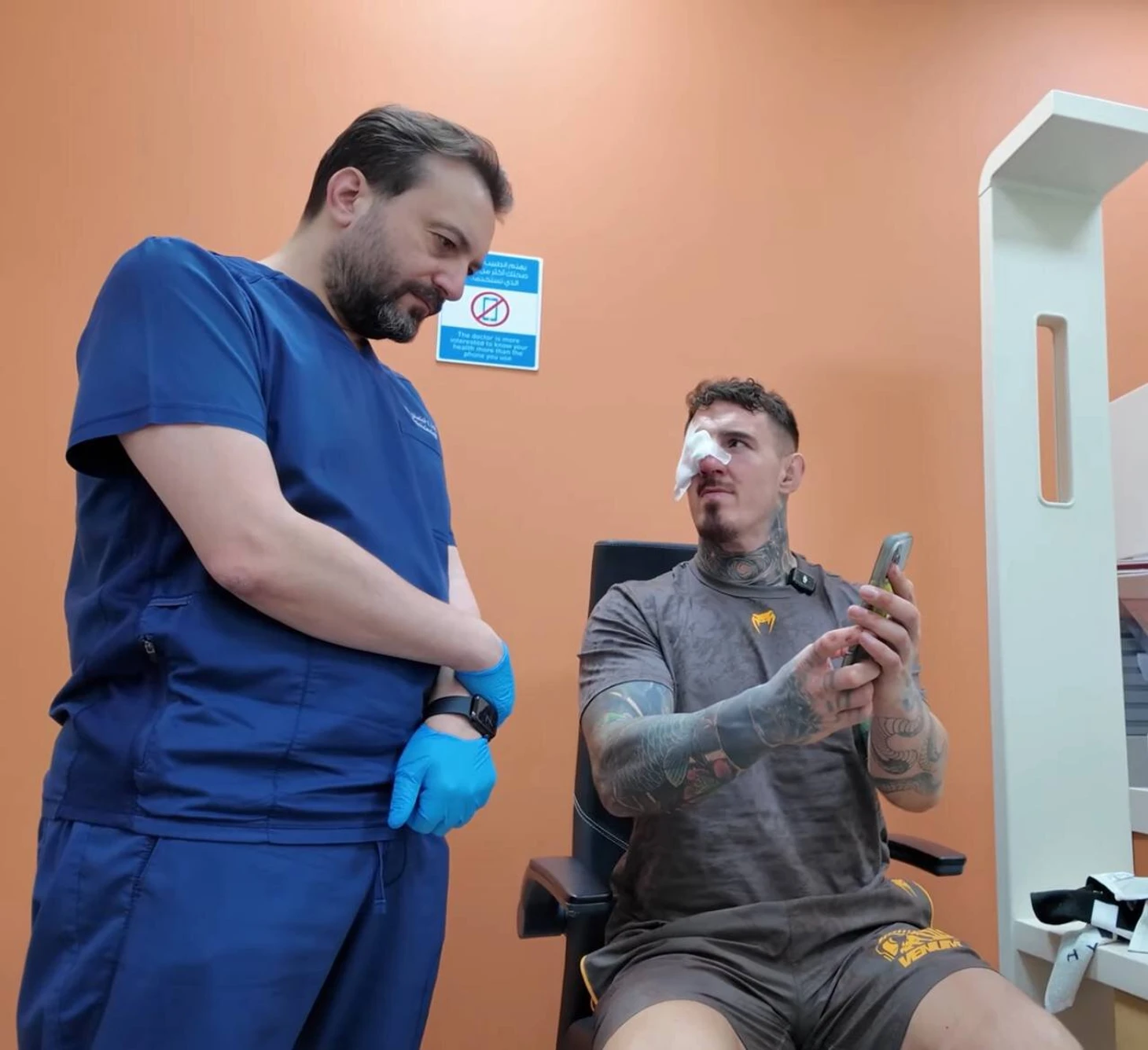
A day later the champion posted a short documentary on YouTube—and it was a crucial move. Khabib Nurmagomedov appears in the opening frames, briefly discussing the game plan for Gane with Tom. Then comes an emotional counterpoint. Aspinall’s father, voice trembling, admits he fears for his son’s eyesight. Tom himself says an eye injury is no trifle and, in how it feels, can be more frightening than the anterior cruciate ligament tear he recently overcame.
The film shifts the conversation from accusation to empathy: the viewer sees not a “champion’s armor,” but a person who, in an instant, lost his primary tool—vision—and had to make a choice amid uncertainty.
Medicine vs. Emotion: The Doctor’s Verdict and the Comment Debate
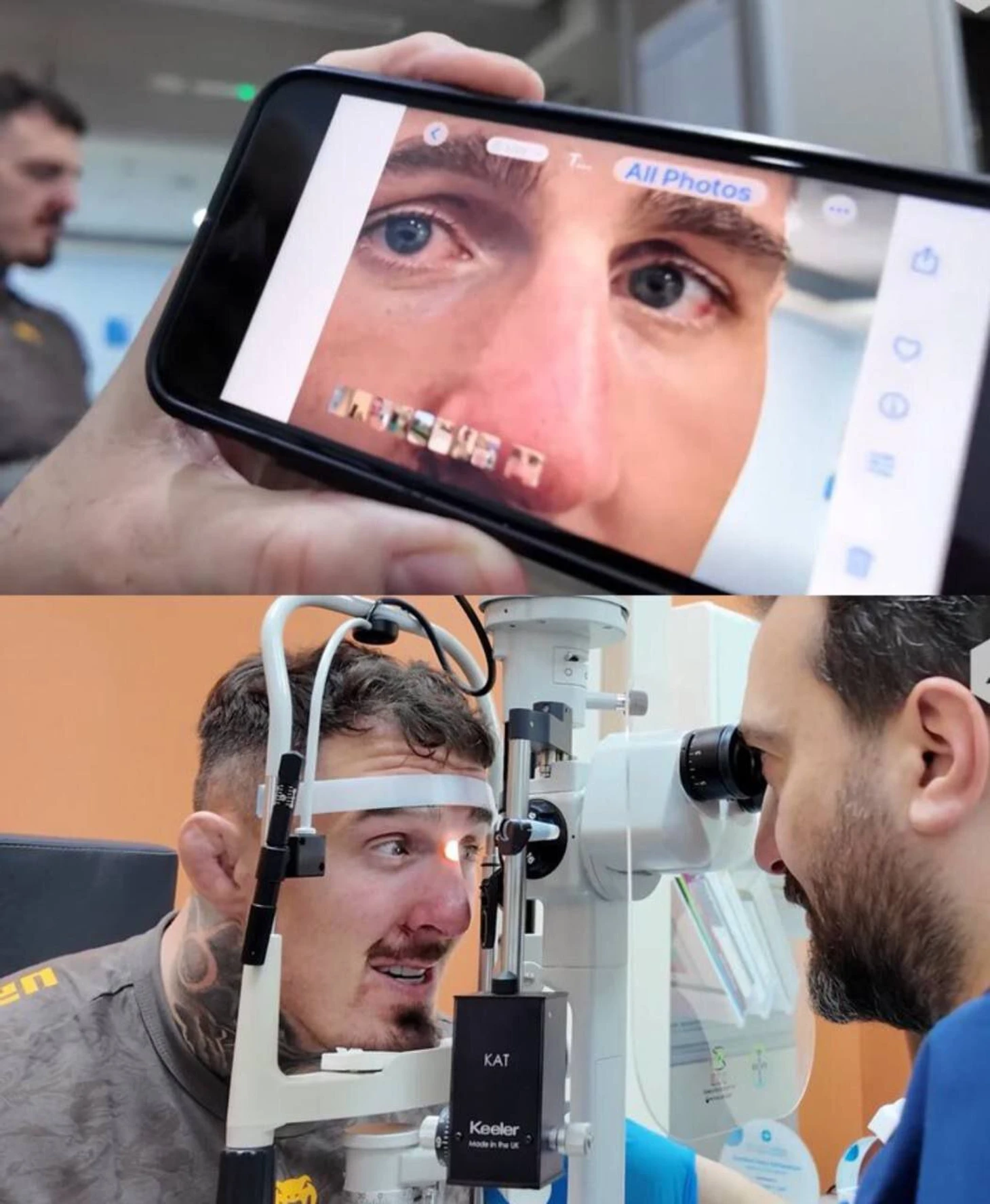
In fact, the medical picture looked more prosaic than haters expected. At the hospital, an ophthalmologist examined the left eye and found no serious damage: there was redness, but no signs of long-term risk. Even so, specialists confirmed the correctness of the stoppage: if a fighter reports loss of vision, the bout cannot continue. Commentator Daniel Cormier added a key detail—by his account, Tom could hardly see with one eye for about twenty minutes after the fight.
Under the champion’s video, many reactions shifted to a supportive tone. Criticism was directed at White: the president, it was said, poured gasoline on the fire instead of emphasizing the priority of fighter safety. The counter-current, however, did not vanish—part of the audience continued to frame what happened as an “exit from an uncomfortable fight.” It’s a sign of the times: for many fans, the screen image often outweighs the rulebook and a doctor’s recommendations.
What Fans Are Saying: From Anger to Solidarity
The comments beneath Aspinall’s video offer a small cross-section of the community:
- While Tom is in the hospital worrying whether his vision will return, the executive says at the press conference that he “didn’t want to continue.” You can’t treat fighters like that.
- Two fingers to the eyes—and he’s still the one to blame? Absurd.
- After this, I feel like turning off the UFC: booing the victim of a foul is beyond the line.
- People who haven’t fought a single minute are lecturing a professional who had fingers driven into both eyes. Tom made the right choice.
Yes, these are emotional—therefore polarized—statements. But the common thread is clear: the audience is split between the myth of “unbending toughness” and the understanding that safety regulations exist for a reason.
The Rematch Changes the Stakes: Pressure on the Champion and a New Context
Dana White has already confirmed the intent to book a rematch. From a sporting standpoint it’s logical: the story is unfinished and neither man’s position is settled. But for Aspinall, a second meeting with Gane will also be a psychological test. Now he will walk not only to defend the belt but to rebut the “he quit” label. It will likely show in camp: emphasis on protecting vision, clean work at range, discipline in the clinch, and more economical control of the pace in the opening minutes.
Gane’s motivation is just as clear: to show that his technical cleanliness isn’t only about footwork, but also about responsibility for open hands and finger extension in exchanges. Referees, for their part, will likely get a reminder: warnings for open hands aren’t a formality, they are prevention of serious injuries.
Between Courage and Common Sense: What the Abu Dhabi Story Teaches
The episode brings MMA back to a fundamental question: which matters more—the myth of fearlessness or enforcing the limits set by the rules to preserve career and health? By stopping the fight, Aspinall chose vision—the resource without which there are neither trainings nor title defenses. One can argue about spectacle and the narrative of a “champion’s heart,” but on the day an eye won’t see, heroism is measured not by the willingness to “tough it out,” but by the ability to make an unpopular decision.
The rematch will put those answers to a test in the cage and, perhaps, return the focus to the sport rather than to labels online. Until then, this story remains a reminder: in the Octagon, courage is both the blows you throw and the ability to say “stop” in time when what’s at stake isn’t hype, but the rest of a professional life.