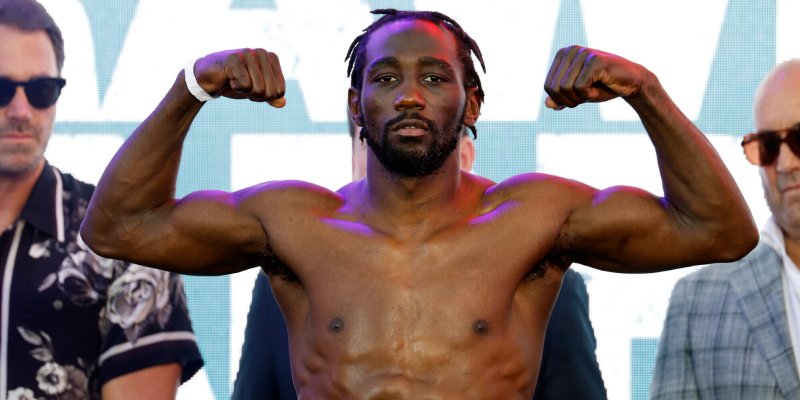

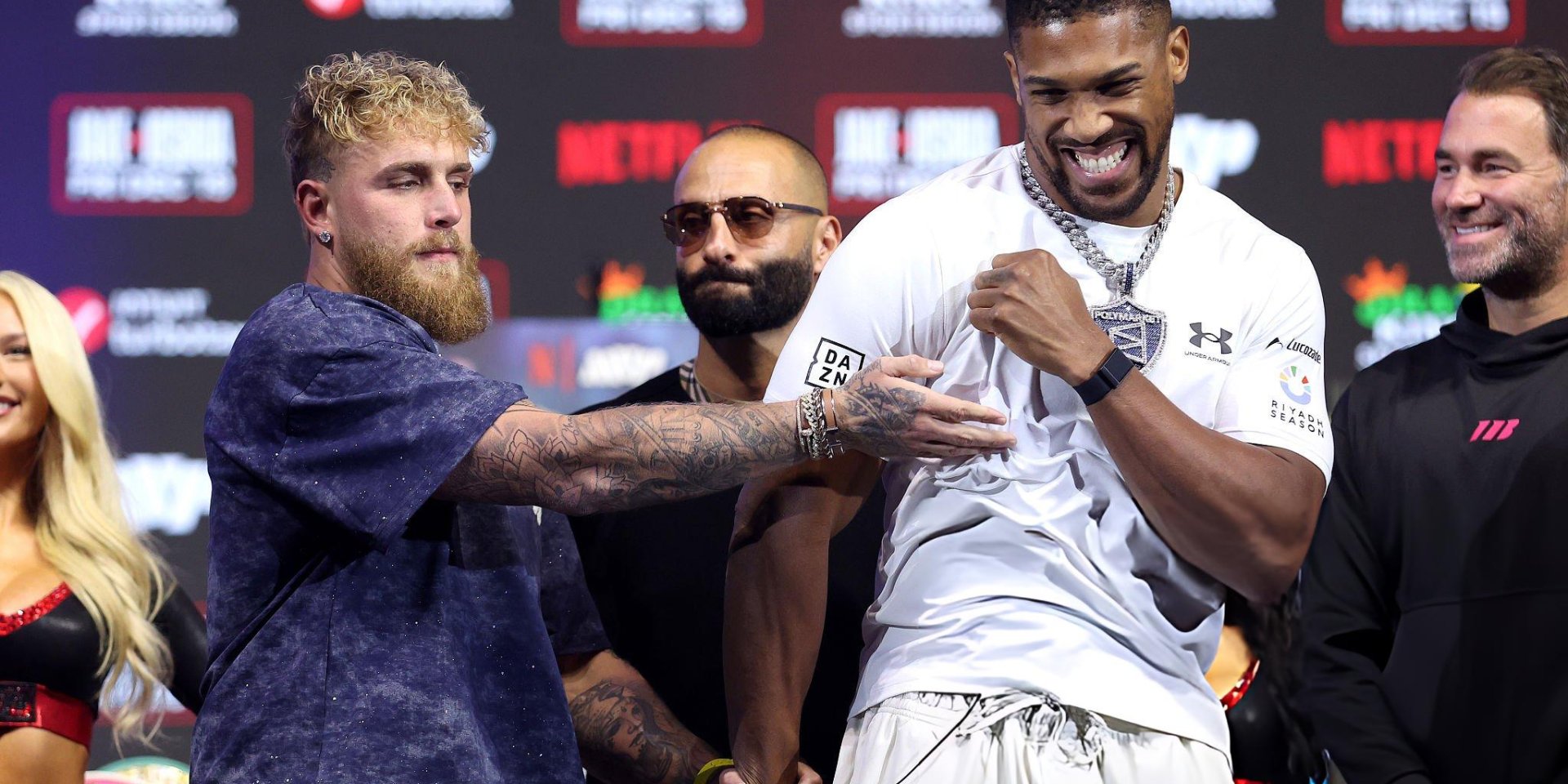
Anthony Joshua’s win over Jake Paul was loud and brutal, yet it was the early rounds that left a strange aftertaste. When one fighter is clearly superior in class and physical advantages, fans expect the familiar script: a forced pace, cutting off angles, systematic work with the lead hand, and a quick path to the finish. Instead, up to the midpoint of the bout we saw far too many pauses, far too few threats, and a seemingly “switched off” mode of dominance.
Silence in the Early Rounds: Why the Crowd Whistled Not From Excitement
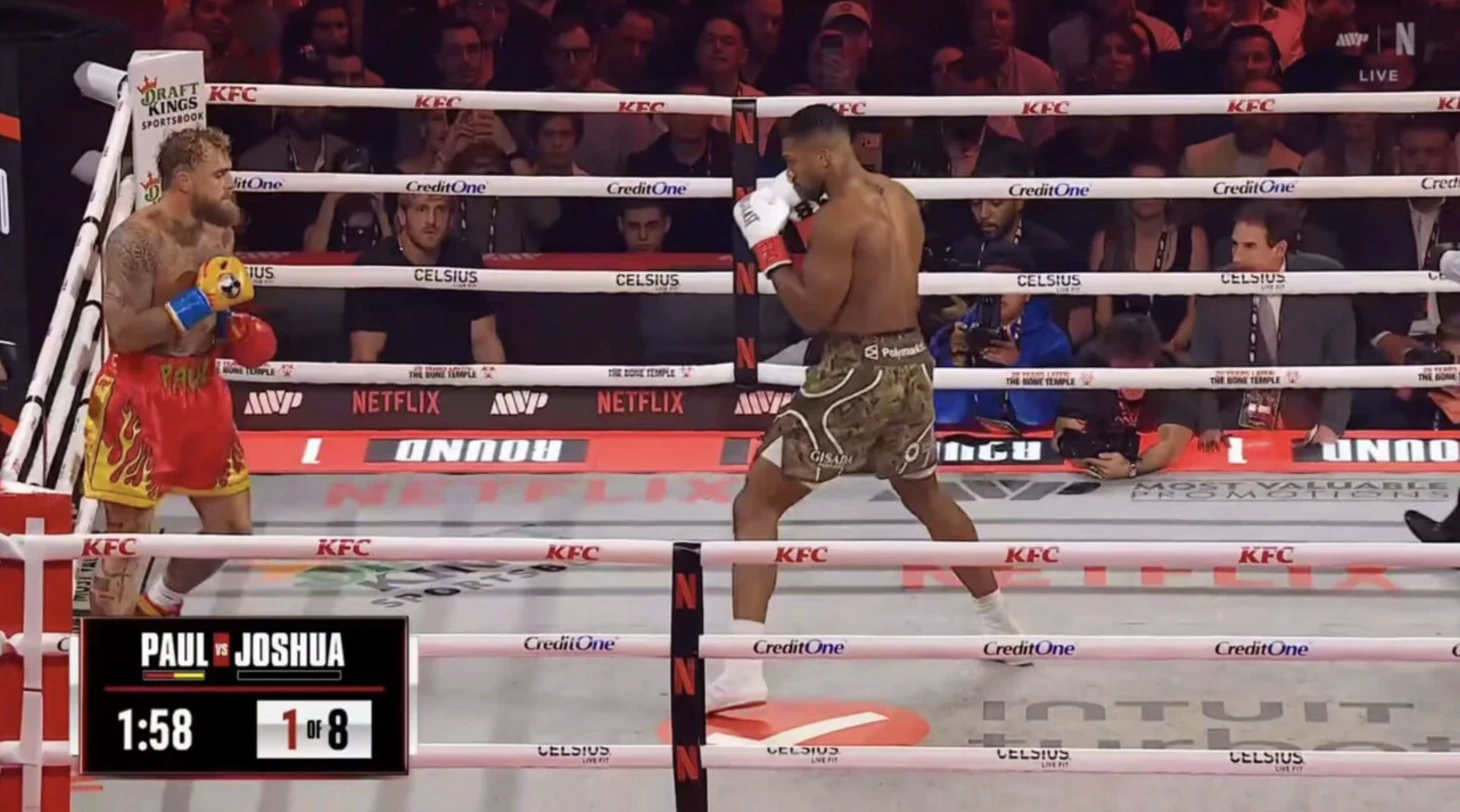
From the opening bell, the fight’s rhythm looked sticky and sluggish. Paul spent a lot of time moving along the ropes, trying not to stay on the line of attack, while Joshua — instead of pressuring and cutting off the exits — took too long to measure him and kept letting him drift back to range. The lack of tight footwork and sharp tempo changes made it feel like reconnaissance without follow-through — and the crowd picked up on it immediately.
A “Token” Jab: The Lead Hand Didn’t Control the Range
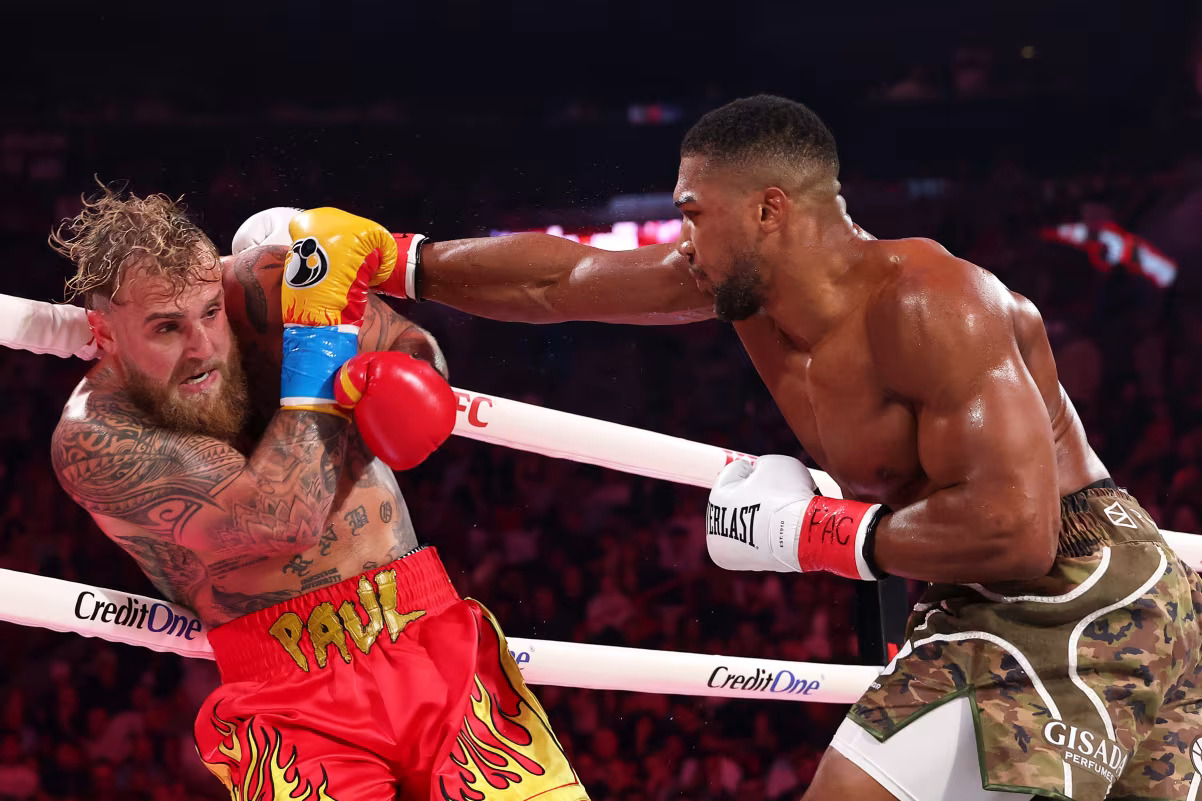
Joshua’s key tool against mobile opponents is a disciplined jab. It doesn’t just “probe” — it controls: it keeps the opponent at the end of the punch, breaks timing, and forces him to stop and open up. Here, the lead hand often stayed out in a nominal way, but with neither pressure nor purpose: no consistent touch, no cutting jabs to the chest, no double jabs to set up the right hand.
Broken Range and Wide Swings: Risk Where It’s Not Needed
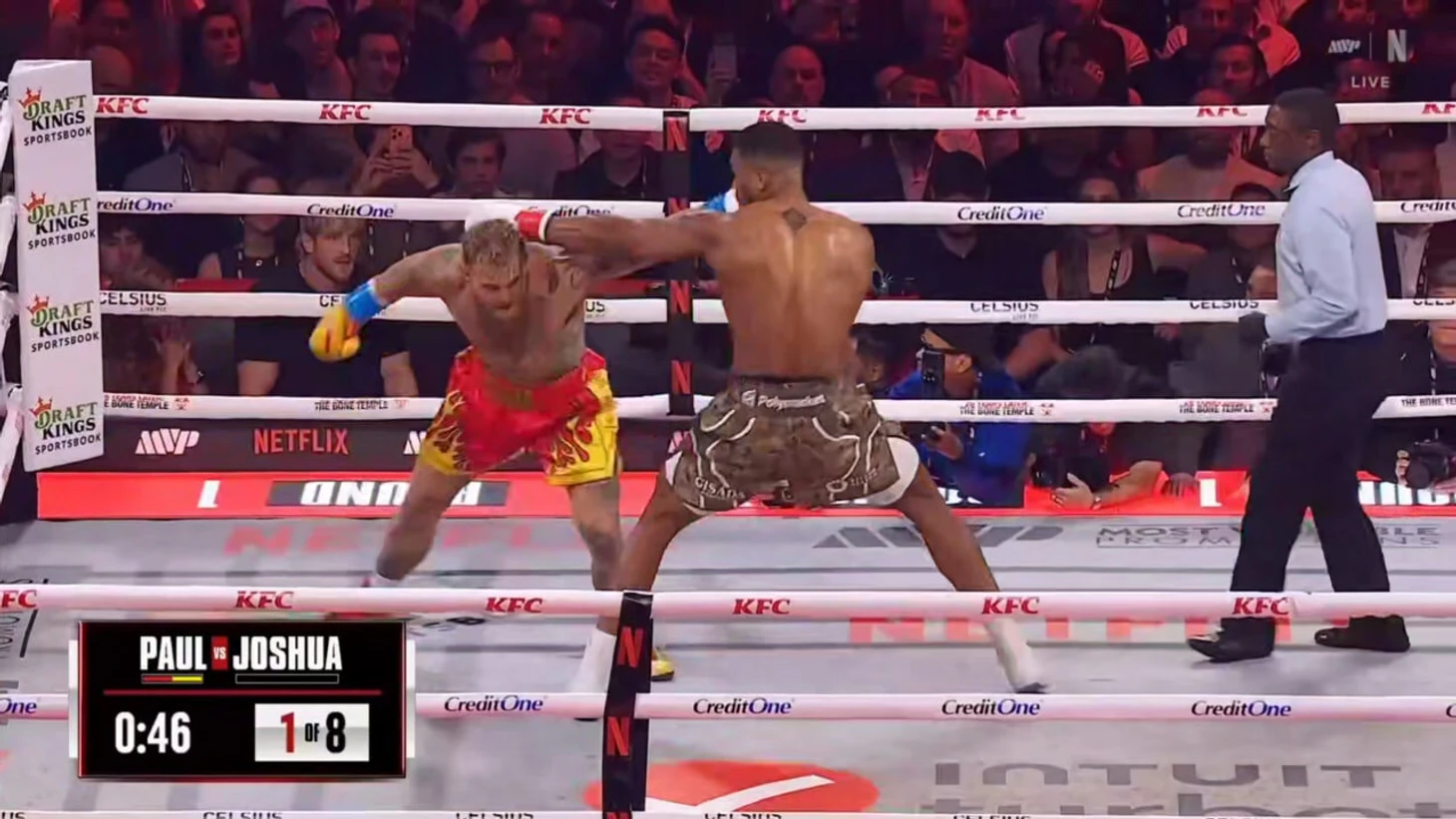
Another thing that stood out was how attacks were finished with wide, sweeping right hooks at “broken” range. In those moments, Paul wasn’t trapped on the ropes and still had room to slide off to the side — meaning a big swing is easy to read and often whistles through empty air. The smarter option would have been to work a right straight (right cross) after a jab setup and a step, closing the distance without giving up balance.
Where Were the Feints and Traps That Usually Decide the Outcome
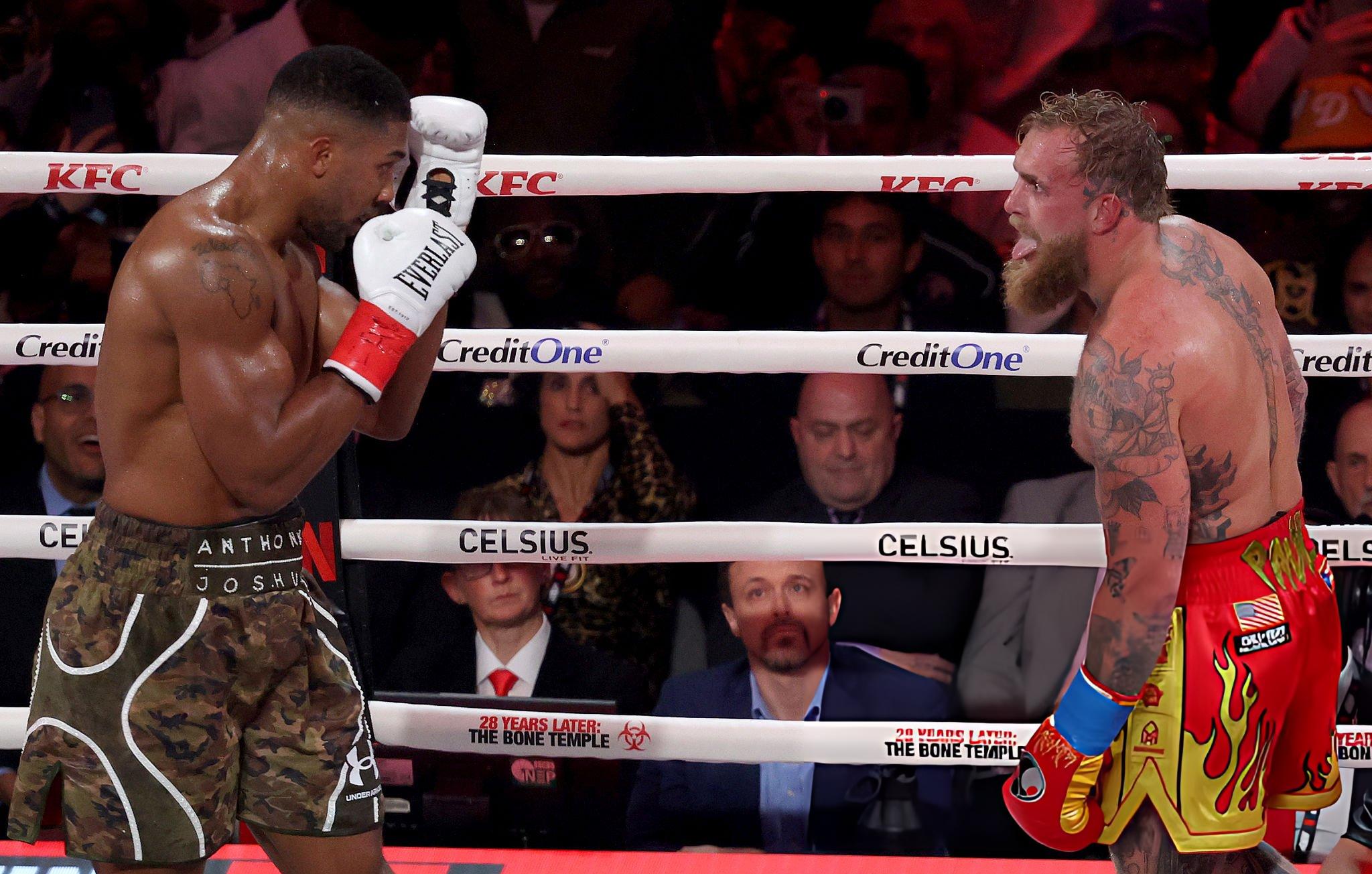
Joshua knows how to punish reactions to a false threat: show the body shot and go upstairs, pause and explode, bait the entry and catch a counter overhand. In this fight, that kind of “chemistry” was nowhere to be seen for a long stretch. Paul occasionally opened up on the way in and came in too straight, but he wasn’t met with an immediate response — and that’s exactly what fueled talk that Joshua was “carrying” Paul to a certain moment.
A Window for Counters: Chances Were There, but Joshua Let Them Go
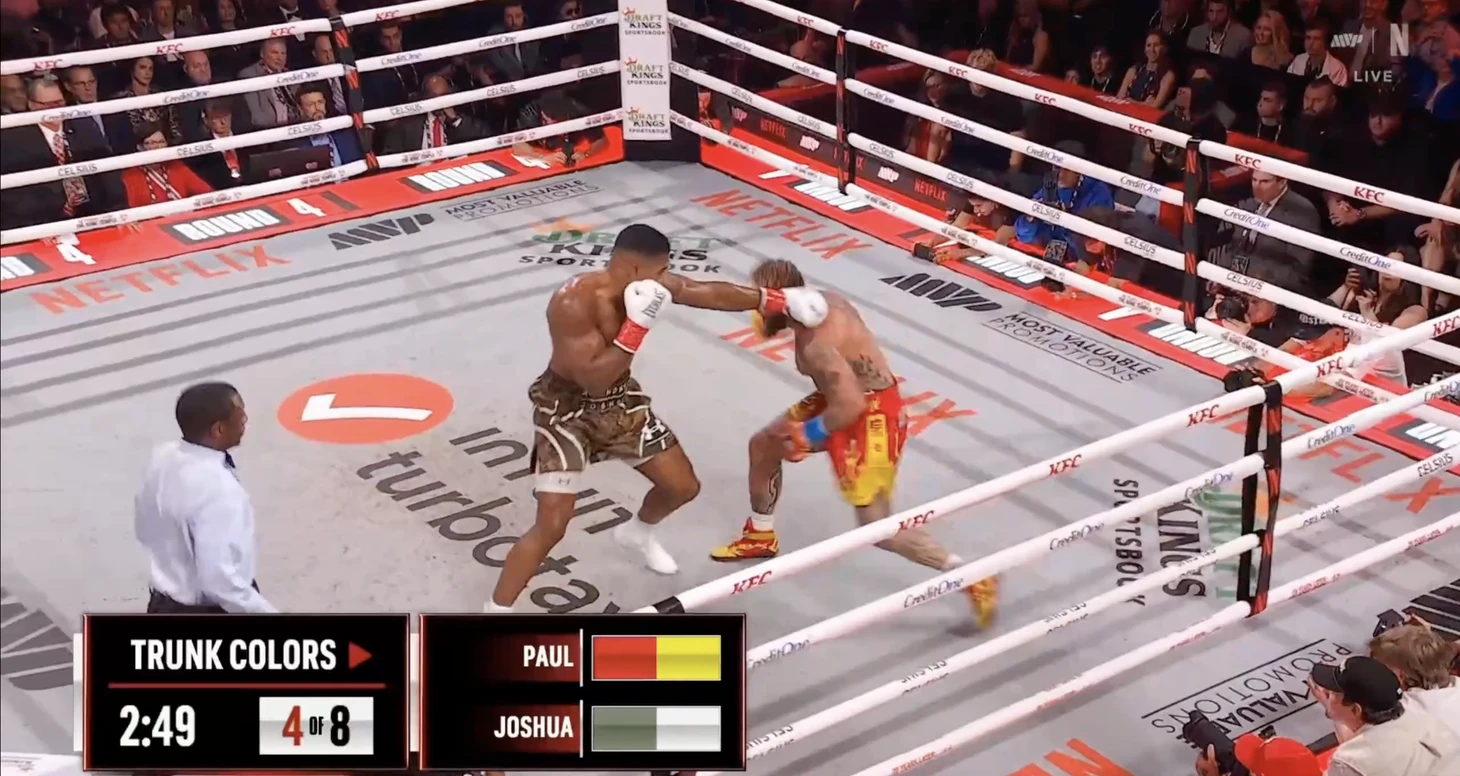
With the gap in experience and physicality, Joshua had ways to end it earlier even without taking huge risks: a right counter on the entry, a short left hook after a slip, a stiff counter jab in the middle of an attack. One sequence — when Paul rushed in wide open at the end of the opening segment — looked like a textbook moment to punish. But instead of a sustained response, everything drifted back into pauses.
Signals From the Corner: The Setups Were There, but Didn’t Show Up Right Away
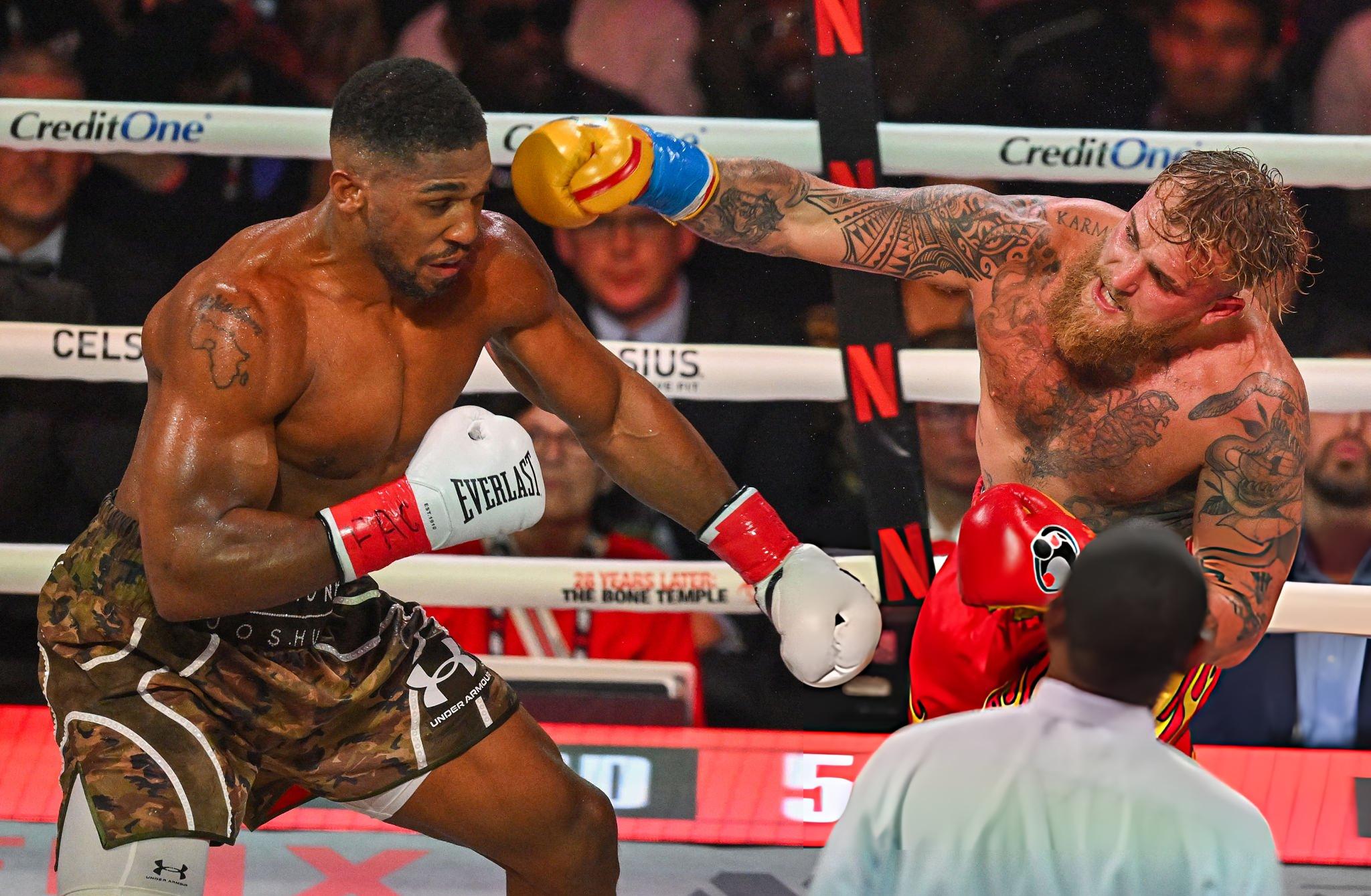
When a coach calls out a specific combination (for example, “touch with the jab and fire the right straight after a pullback”), you usually expect an immediate attempt to execute it — especially if the opponent gifts the opening. If those chances appear and the favorite repeatedly doesn’t take them, it’s hard for viewers not to suspect either excessive caution or a preselected tempo script.
A Fix or Pragmatic Caution: Which Is More Plausible
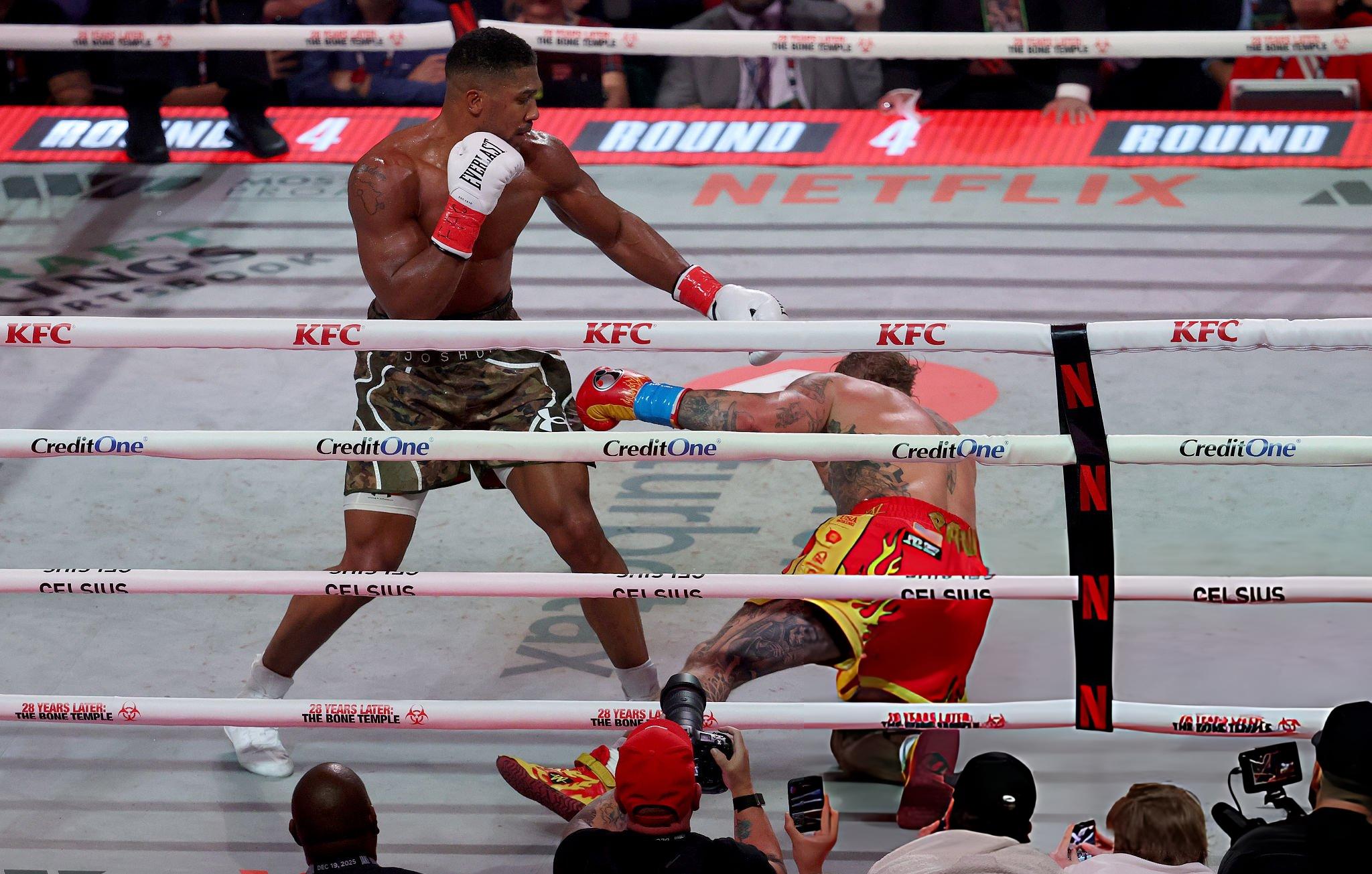
The “deal” theory tends to surface when the logic of the fight doesn’t match the logic of the class gap. On the other hand, there’s a pragmatic explanation: Joshua may have respected Paul’s one-shot power, wanted no part of a chaotic exchange, and deliberately ramped up the pace in stages until he could read the reactions. The problem is that, to the eye, it looked less like cold control and more like an extended wait.
The Knockout Answered the Power Question, but Not the Script
The finish confirmed the main point: Joshua has the power and accuracy to end the fight without any “gifts.” But the first half still left room for debate — not so much about the result, but about why he took so long to apply pressure, why he didn’t own the center earlier, and why he didn’t manage the range with the jab. That’s why the “strange” start won’t stop being discussed: a knockout ends the fight, but it doesn’t always end the impression.