

At first glance, a story about virtual gifts in a messenger looks like a harmless way to monetize popularity. But once you add Khabib Nurmagomedov's name, Pavel Durov's involvement, and Conor McGregor's long-standing hatred into the mix, an ordinary auction turns into another round of their years-long conflict – complete with accusations of fraud and painful blows aimed at the most sensitive point, the memory of Khabib's father.
NFT Papakhs, Durov, and Hundreds of Millions
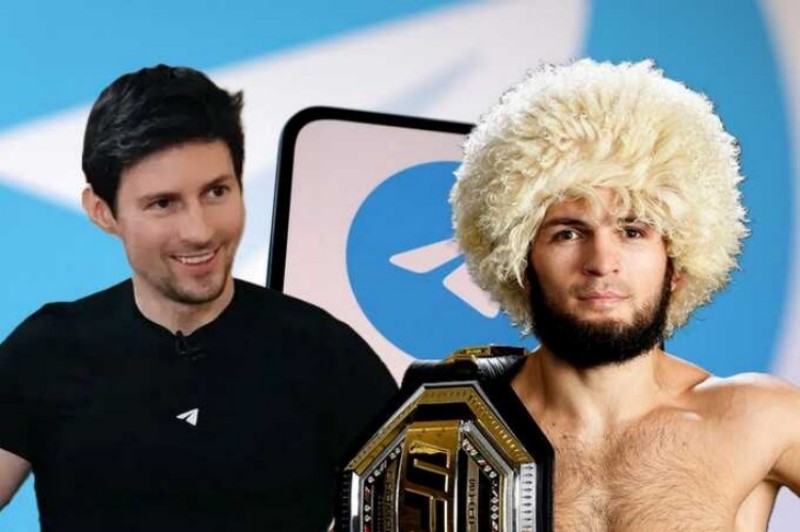
On October 25, Telegram owner Pavel Durov unexpectedly appeared at the UFC 321 event in Abu Dhabi, where he was caught on camera next to Khabib Nurmagomedov. Almost a month later, on November 22, that meeting continued in the digital space: the messenger launched an auction to sell 40 variations of digital NFT papakhs styled after Khabib's signature headgear.
The bidding lasted just over a day, but that was enough for the fighter's fans to snap up around 29,000 virtual papakhs. According to estimates, the total sales revenue reached around $4.4 million – colossal money even by the standards of global MMA superstars.
After the auction ended, Nurmagomedov scrubbed the promo posts about digital gifts from his social networks and switched to another activity: he announced a giveaway of eight real papakhs signed by him personally. There were only two conditions – a subscription to his Telegram channel and a repost of the post. In the giveaway announcement, Khabib emphasized the family theme: his father had passed the papakha and this tradition on to him, and now he was sharing it with the fans.
Phishing Campaign and "Digital Scam" Accusations
The official auction ended on November 23, and already on the 25th TASS, citing experts, reported on a fraudulent scheme operating inside Telegram. Users began receiving mass messages from an account registered abroad, urging them to "claim their papakha".
Olga Altukhova, senior content analyst at Kaspersky Lab, explained that the scammers are using a mini-app that imitates a login form. A person enters their username and password, believing they're confirming receipt of a gift, but the data goes straight to the fraudsters, who gain access to the account.
Against this backdrop, Telegram channels and social networks started to fill up with posts claiming that Nurmagomedov was allegedly suspected of being involved in a dubious scheme to sell NFT papakhs. There was no clear evidence, but the mere pairing of "fraud" and "Khabib's name" was enough for someone who is always waiting for a chance to jab his former opponent to get involved.
McGregor Strikes at the Memory of Khabib's Father
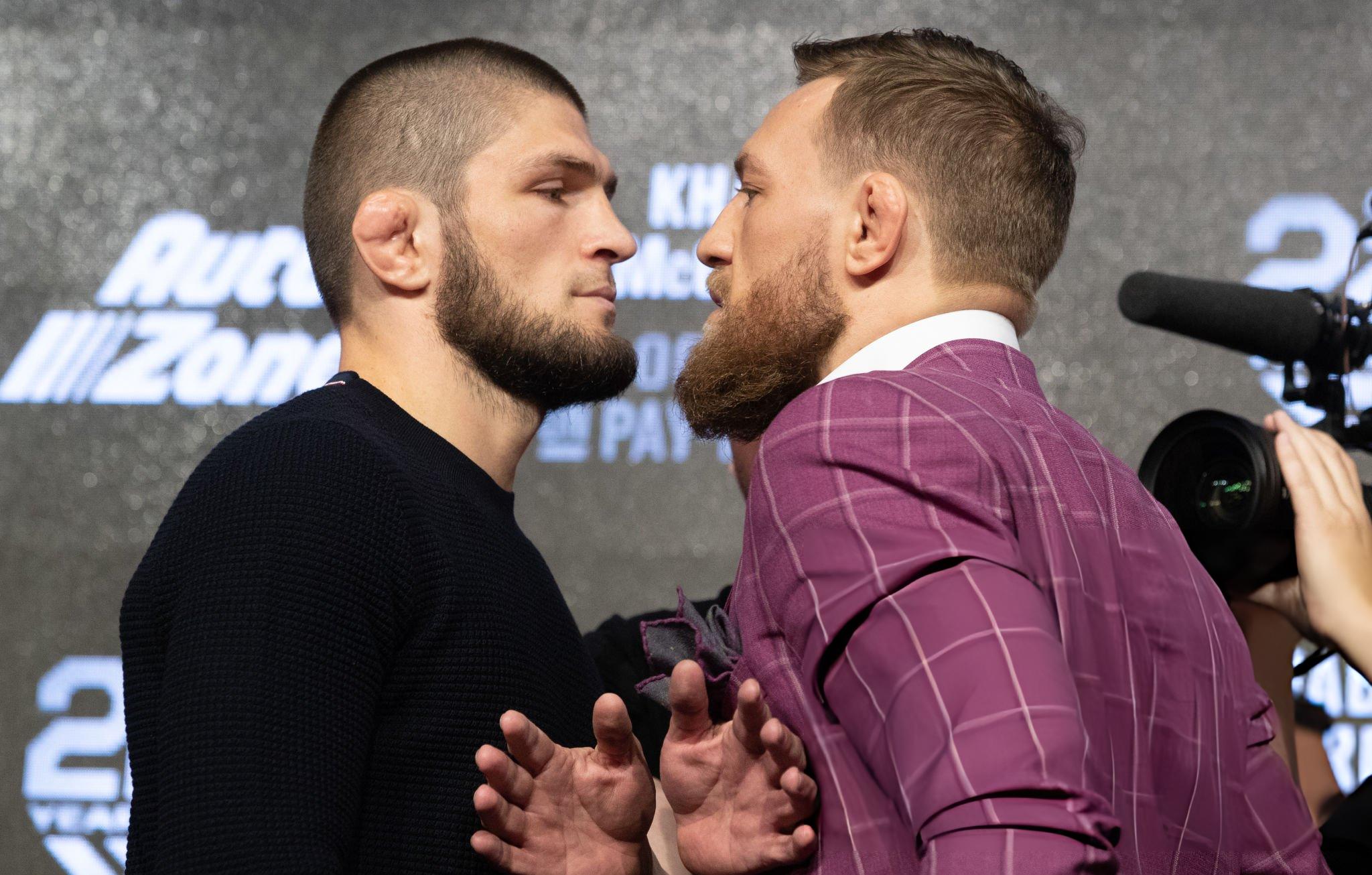
Conor McGregor quickly spun the scattered rumors into a full-blown accusatory speech. On social media, he sarcastically suggested that "good guy Khabib" might have used the image of his late father and Dagestani culture to "push a pile of digital NFTs on fans, quickly delete all the content, and leave people with no money".
What hit especially hard was McGregor's shift from the well-known phrase "father's plan" to the mocking "father's scam". McGregor called what was happening a stain on Nurmagomedov's father's name and "a disgrace", accusing his rival of building his earnings on people's trust in his family and the traditions of Dagestan.
At the same time, the Irishman lumped together two completely different stories: the reference to Khabib's father came in the giveaway of real papakhas, not in the digital auction. The NFT papakhs were sold as part of Telegram's official campaign – the messenger is using it to test and promote a new feature for selling digital items via auctions. All 29,000 virtual gifts were delivered to their owners, Durov did not scam anyone, and Khabib's posts disappeared only after the campaign ended so as not to mislead people.
Nurmagomedov's Response: Defending His Name and Promoting Telegram
When the noise around the NFT papakhs grew louder, Nurmagomedov posted an explanation on his channel: the auction was over, all papakhs had been sold, and he thanked fans for their participation and trust, stressing that the unique digital gifts exist only inside Telegram.
After McGregor's harsh outburst, Khabib addressed him directly for the first time in a long while. He called Conor "an absolute liar" who has been trying for years to tarnish his name after that one-sided defeat in the octagon but fails every time. Nurmagomedov stressed that "good guys" are precisely the ones who create exclusive digital gifts with real value that can be shared with loved ones.
He placed special emphasis on the cultural meaning of the papakha: it is not just a hat, but a symbol of the traditions and identity of the people of Dagestan, which has spread far beyond the region – whether McGregor likes it or not. Once again, Khabib used the opportunity to praise Telegram, calling it the best messenger in the world and the platform where these gifts are available exclusively.
McGregor, however, did not back down. He demanded an immediate apology for "using the name of a deceased father" to sell digital items. In his usual manner, Conor argued that a sale by definition is not a gift, which means this wasn't generosity but making money off fans. "Fraud in the name of your father. Disgrace," he concluded.
To complete the picture, it's worth recalling that McGregor has had a long-standing allergy specifically to Nurmagomedov's papakha. Back in 2018, during one of the staredowns, he warned UFC commentator Joe Rogan not to let that "stinky rat" put "his damn papakha" on him, claiming the hat "stank".
Old Wounds, New Pretexts
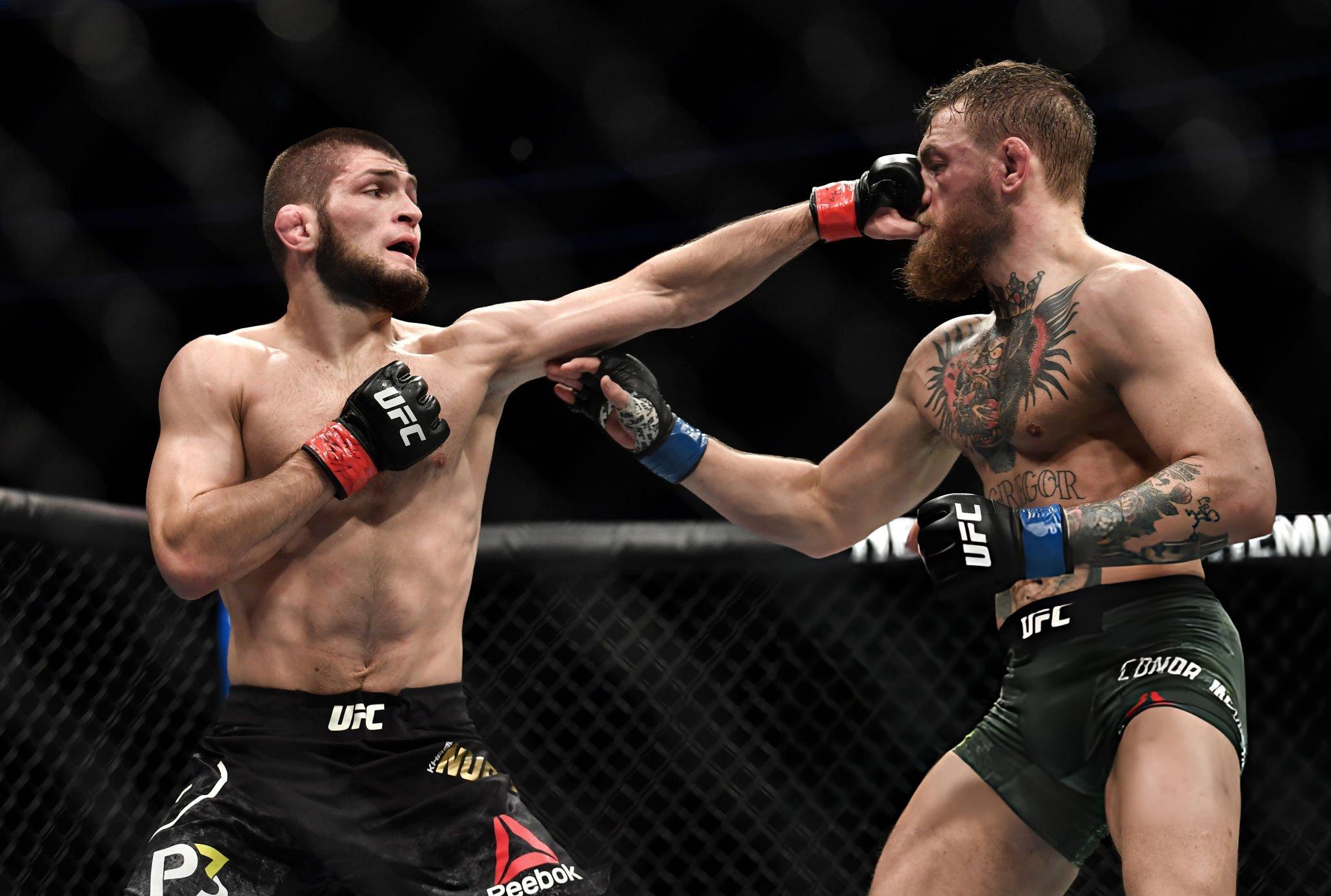
You'd think that with more than seven years having passed since their fight – Nurmagomedov retired in 2020 and McGregor hasn't entered the octagon since 2021 – the tension would have eased. But the level of toxicity in the interaction between the two former champions has barely changed.
Khabib usually ignores Conor's outbursts, but this time he chose to keep the beef going. He reminded everyone of his work outside of sport: according to him, the rehabilitation centers in Dagestan have managed to bring 56 former drug addicts back to a normal life. He invited McGregor to come there too, with a hint that Mexico, where the Irishman recently underwent treatment for addictions, had not helped him much.
McGregor responded sharply, accusing Khabib of tax evasion and calling him "a runaway fraudster". At the same time, he demonstratively said he was praying for Nurmagomedov's family and for his "constant lies", adding a religious layer to the dispute: sooner or later, he said, everyone will have to be honest, because "Allah knows everything".
A Conflict That Refuses to Age
Despite his long break from competition, McGregor continues to live with that past defeat. In February, he was caught on camera spitting at a fan who was shouting Khabib's name right in his face.
Nurmagomedov appears in public space less often, but the echoes of that night still haven't let him go. In one of his summer interviews, he recalled how he broke his opponent psychologically even before they stepped into the cage: during the final staredown before the fight, Khabib says, McGregor was already avoiding direct eye contact and understood that all his attempts at psychological warfare had failed – from that point on, it was only "skills versus skills".
In the autumn, Khabib separately admitted how much he enjoyed that night: in his words, there is a special feeling when you can step into the cage, beat up someone you really dislike, do it within the rules – and get paid for it. Outside the octagon, that kind of behavior would land you in prison; back then, for Nurmagomedov it was a moment he had long waited and prepared for, a kind of "vacation".
Hating and Hoping at the Same Time
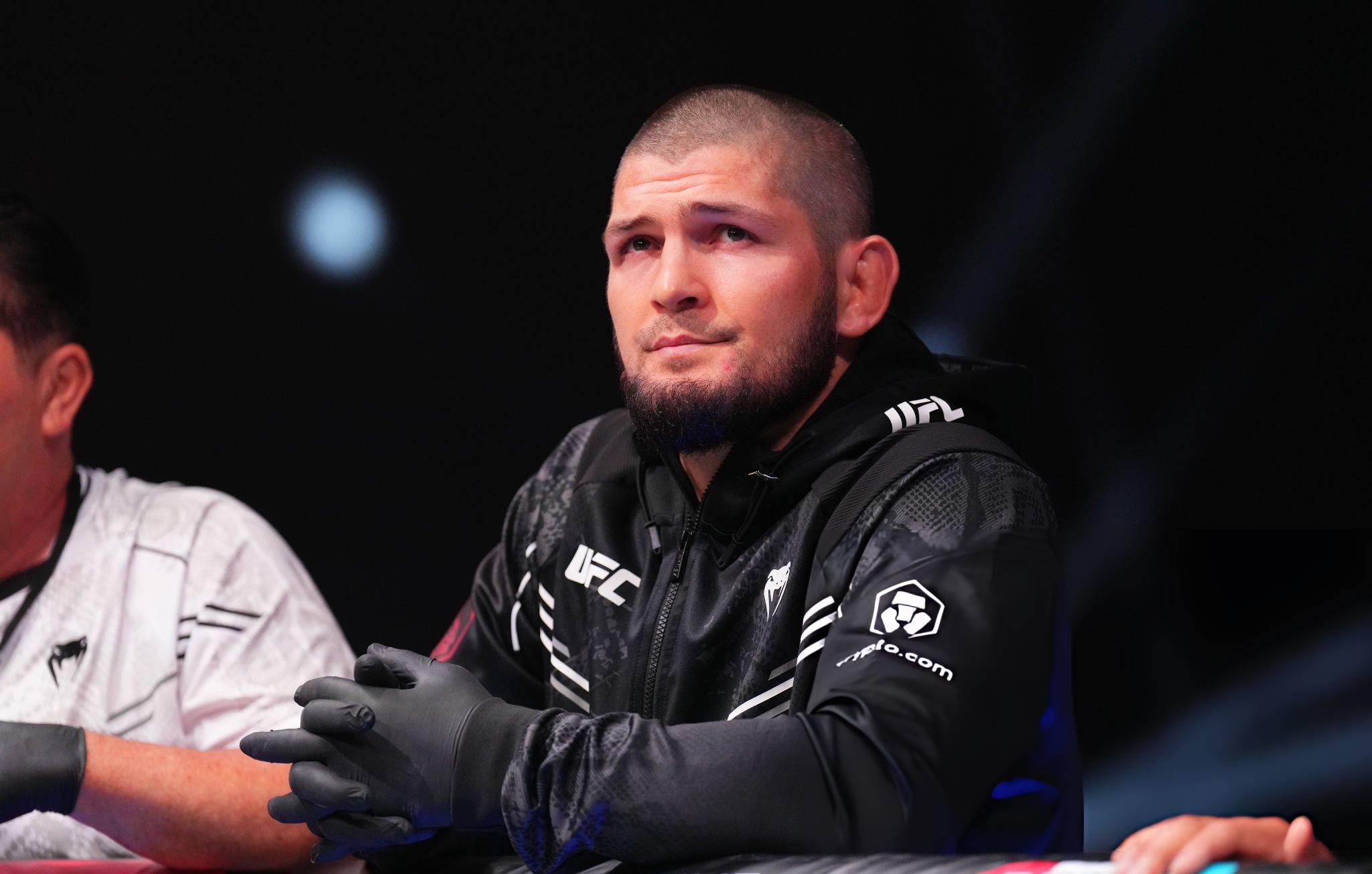
The paradox is that amid Khabib's harsh phrases aimed at Conor, softer, almost conciliatory notes sometimes slip through. He has repeatedly said that Allah gives a person a chance to come back, no matter how low they have fallen. In Nurmagomedov's view, the path back is still open for McGregor too: if he changes his lifestyle and stops destroying himself, he can start having a positive impact on the lives of the people around him.
When McGregor was suspended from fighting due to doping-control issues, Khabib couldn't resist reposting the news, as if to underline that their rivalry continues outside the octagon as well. The victory in 2018 was not enough to erase the Irishman from his radar, just as that defeat still lives on in Conor's mind.
A Rivalry That Outlived the Fight

The intensity between McGregor and Nurmagomedov is so high that it hasn't just been promoters talking about their relationship, but top-level politicians as well. Donald Trump once boasted that he had met with both fighters and could theoretically act as a mediator in making peace between them. Of course, the former US president has plenty of other things to worry about, but that detail alone shows the scale of this rivalry.
Today, both men are far removed from title fights, but their conflict continues to generate news, memes, and fresh reasons for verbal jabs – now on the grounds of digital papakhas, NFTs, and Telegram promotions as well. It is unlikely that the MMA industry will produce another pairing like this in the foreseeable future, where sporting rivalry, personal animosity, culture, religion, and big money are woven together so tightly. And the "digital gifts" storyline is yet another proof that the feud between Khabib and Conor has turned into a standalone series that lives by its own rules and is in no hurry to reach a final episode.